The Best Boutique Hotels in Seoul
Beyond the mega-chain towers: a guide to Seoul's most considered boutique hotels, from converted hanok houses to independents built with real point of view.
 By Marcus Lim
30 August 2026 · 6 min read
By Marcus Lim
30 August 2026 · 6 min read
Seoul’s hotel landscape has long been dominated by the large international chains clustered around Gangnam and Myeongdong, competent but largely interchangeable with their equivalents in any other major Asian capital. The more interesting development over the past decade has been the quiet growth of a genuinely considered boutique scene — smaller properties, often independently owned, built around a specific point of view rather than a standardised global brand template. Finding these places takes slightly more effort than booking a familiar chain, but the reward is a Seoul stay that actually feels like Seoul rather than an interchangeable hotel floor plan dropped into a different city.
The Hanok Revival
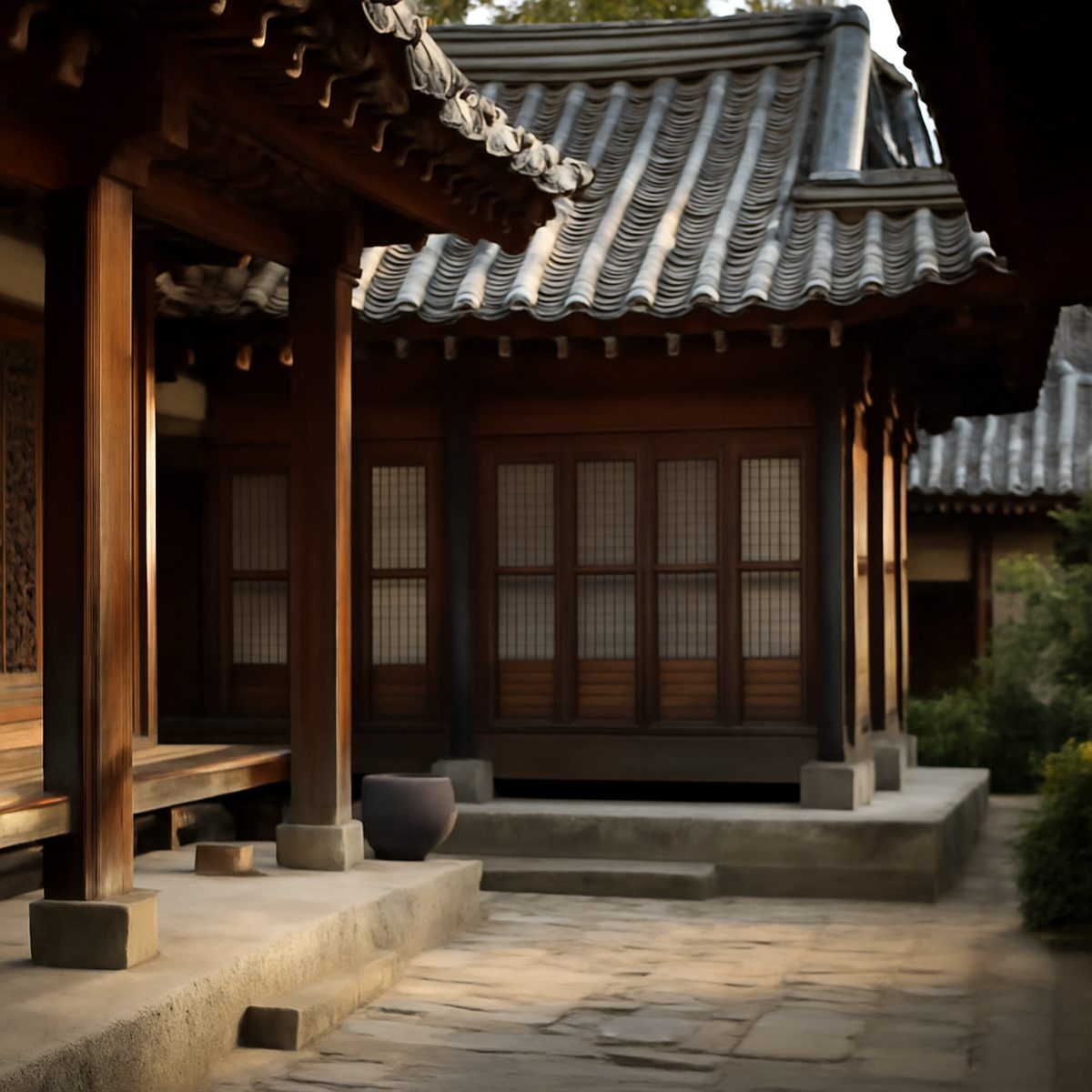
Some of Seoul’s most distinctive boutique stays are converted hanok — traditional Korean wooden houses built around a central courtyard, characterised by curved tiled roofs, ondol underfloor heating and a deliberate, unhurried relationship to natural light and outdoor space. A handful of operators have restored these houses, mostly concentrated in neighbourhoods like Bukchon and Ikseon-dong, into small-scale boutique accommodation that offers a genuinely different rhythm to a standard hotel stay — fewer rooms, a stronger sense of place, and an architectural language that dates back centuries rather than following the current international hotel design playbook. Staying in a well-restored hanok is one of the more direct ways to experience traditional Korean domestic architecture without simply viewing it from behind a museum rope.
The trade-off is worth understanding upfront: hanok stays generally offer fewer of the amenities associated with larger hotels — spas, extensive dining options, large fitness centres — in exchange for architectural character and a genuinely quieter, more intimate setting. For travellers prioritising atmosphere over facility checklist, this trade is usually a good one.
The New Wave of Design-Forward Independents
Alongside the hanok revival, a newer generation of design-focused independent hotels has opened across Seoul’s more creative neighbourhoods — Hongdae, Seongsu and pockets of Itaewon among them — often occupying converted industrial buildings or purpose-built structures with a specific architectural point of view rather than a generic luxury template. These properties tend to lean into Seoul’s contemporary design and art scene directly, commissioning local artists, working with Korean furniture designers, and building spaces that function as much as informal galleries as accommodation. Our companion piece on Seoul for the design-minded traveller covers this broader creative landscape in depth, and the city’s better boutique hotels are almost always plugged directly into that same design ecosystem.
“Guests increasingly want a hotel that tells them something about the neighbourhood they’re staying in,” one boutique hotel operator working in the Seongsu area told us. “A generic international lobby doesn’t do that anymore, not for the kind of traveller we’re seeing.”
Choosing a Neighbourhood First
Unlike cities where hotel choice can reasonably be separated from neighbourhood choice, Seoul’s boutique scene is closely tied to its distinct, walkable districts, and choosing where to stay is really a decision about which version of the city you want to experience. Bukchon and Ikseon-dong offer proximity to palaces, traditional architecture and a slower pace. Seongsu, once an industrial district, has become the epicentre of Seoul’s design and café culture, with boutique hotels increasingly clustering around its converted warehouse spaces. Itaewon offers a more international, nightlife-forward base. Thinking through this choice before booking matters considerably more in Seoul than in many other major cities, where a central hotel can reasonably serve as a base for exploring everywhere else.
What Separates Genuine Boutique From Themed Chain
- Independent ownership or a genuinely small, considered group, rather than a boutique sub-brand of a major international chain.
- Locally sourced furniture, art and materials, rather than a generic international design package applied uniformly across a brand’s global portfolio.
- A restaurant or bar with its own distinct identity, rather than an interchangeable hotel dining outlet.
- Staff genuinely knowledgeable about the immediate neighbourhood, able to recommend specific local spots rather than defaulting to the same handful of major tourist sights.
Pairing a Seoul Stay With the Wider Trip
Seoul rewards a longer stay than the standard two or three nights most itineraries allow, and for travellers building a broader Korean trip, our guide to forty-eight hours in Busan makes a natural extension, offering a genuinely different coastal counterpoint to the capital’s density and design focus. The high-speed rail connection between the two cities makes combining them considerably more practical than the distance on a map might suggest.
A Note on Seasonal Design Details
Seoul’s climate swings dramatically between a genuinely cold, dry winter and a hot, humid summer, and the better boutique properties design specifically around this range rather than treating it as an afterthought. Hanok stays in particular depend heavily on their ondol underfloor heating being properly maintained through the colder months, since the traditional wooden construction otherwise struggles to hold warmth the way a modern insulated building would. Ask directly about heating and cooling systems before booking a shoulder-season or winter stay in an older converted property — a beautifully restored hanok that is uncomfortably cold in January is not the experience most travellers are hoping for, however photogenic the courtyard looks in daylight.
Newer design-forward properties tend to handle this more straightforwardly, having been built or renovated with contemporary climate control in mind from the outset, though it remains worth confirming rather than assuming, particularly for smaller independent hotels operating with a leaner staff and maintenance budget than the larger chains.
Booking With Intention
Seoul’s boutique hotel scene rewards travellers willing to research slightly beyond the first page of booking platform results, where the algorithm tends to favour scale and review volume over genuine character. A modest amount of extra research — reading independent write-ups, checking whether a property is genuinely independently run, looking closely at the specific neighbourhood — pays off considerably in the quality of the eventual stay. What ties the best of these properties together is not a shared aesthetic, since a restored hanok and a converted Seongsu warehouse could hardly look more different from one another, but a shared conviction that a hotel should say something specific about the place it occupies. Explore more of the region’s most considered places to stay across our Travel & Stays section.
Marcus writes on travel and hospitality across Asia, and is happiest a long way from a lobby.