The Best Dune and Coastal-Sand Retreats
Dune retreats trade lush tropical gardens for a starker, sand-coloured architecture built to disappear into a shifting, ever-moving coastal terrain.
 By Marcus Lim
31 August 2026 · 6 min read
By Marcus Lim
31 August 2026 · 6 min read
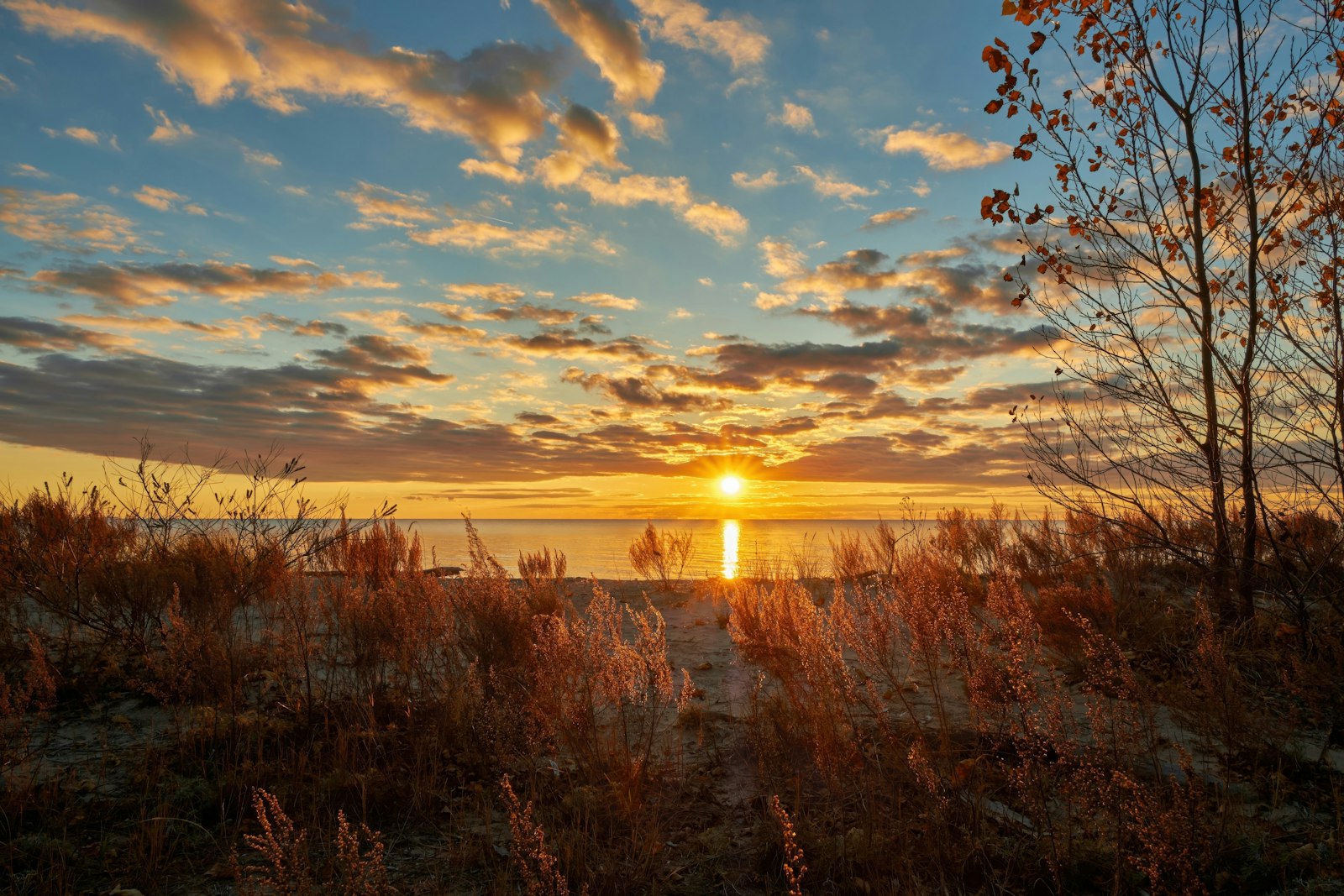
There is a particular quality of light that only exists where dune meets ocean — sand throwing sun back skyward at an angle no inland landscape quite manages, the horizon blurring slightly at the edges in the day’s hottest hours. A handful of properties across Asia have built their entire architectural philosophy around capturing exactly this effect, situating themselves not simply near a beach but within the dune landscape itself, low-slung and sand-coloured, designed to disappear into the terrain rather than dominate it.
These retreats share a set of design instincts that separate them from the more conventional beachfront resort. Buildings tend to sit lower, often partially embedded into the dune line, using the sand’s natural insulating properties to keep interiors cool without excessive reliance on air conditioning. Materials lean toward rendered concrete, weathered timber, and local stone in sand-adjacent tones, an architectural language built to blend rather than contrast with the surrounding landscape.
Why the dune landscape demands different design
Building on shifting sand presents genuine engineering challenges that flatter, more conventional coastal sites do not, and the retreats that get this right tend to treat those constraints as a design opportunity rather than an obstacle to be engineered around. Elevated boardwalks, rather than solid paths, allow the dune’s natural movement to continue largely undisturbed beneath a property, preserving the fragile vegetation that stabilises the sand and gives the landscape its particular ecology.
The best of these properties also resist the temptation to over-landscape, keeping planting to native, salt-tolerant species rather than importing the lush, water-hungry gardens more typical of tropical resort design. The result is a starker, more austere beauty — one that some first-time guests find takes a day or two to properly appreciate, after the initial expectation of a more conventionally “green” resort landscape passes.
What to look for when choosing a property
Genuine dune retreats are distinguishable from beachfront resorts that simply happen to sit near sand by how deliberately they engage with the landscape rather than merely facing it. A property worth its billing will typically offer guided walks through the dune ecosystem itself, staff genuinely knowledgeable about the specific flora stabilising the sand, and architecture that uses the dune’s natural contours rather than flattening them for construction convenience.
- Ask whether pathways are raised or built directly on sand — raised boardwalks generally indicate a property genuinely committed to minimising its footprint on a fragile dune ecosystem.
- Look for properties that limit total room count deliberately, since dune landscapes are ecologically sensitive and cannot support the density a conventional beachfront resort might.
- Sunset and sunrise both matter differently here than at a standard beach property — check which rooms face which direction before booking, since the dune’s particular light quality shifts dramatically between the two.
Properties worth the journey
A remote coastal property on a stretch of dune-backed shoreline in eastern Indonesia has built its reputation on an almost monastic architectural restraint — a handful of low, sand-rendered villas set well back from the water line, connected by raised timber walkways that leave the dune vegetation beneath them entirely undisturbed. Its restaurant, built partially into a dune itself, offers a dining room that feels closer to a considered art installation than a conventional resort facility.
“Guests arrive expecting a normal beach resort and spend the first day slightly confused by how little we’ve built. By the second, most understand why,” one property manager told us, gesturing toward a dune stabilised entirely by native grasses rather than imported landscaping.
Further along the Asian coastline, a smaller, more design-forward property has taken a different approach, pairing its dune setting with a more contemporary architectural vocabulary — poured concrete forms that echo the dune’s natural curves rather than imitating traditional local building styles, a deliberate choice that has drawn both admiration and occasional pushback from travellers expecting a more conventionally regional aesthetic.
The practicalities of visiting well
Timing a dune retreat visit matters more than at a conventional beach resort, since the landscape’s appeal shifts substantially with the light and the season. Shoulder seasons, when the heat is gentler and the wind that constantly reshapes the dunes is less punishing, tend to offer the most comfortable window for the long, unhurried walks these properties are built around. Guests should also pack more deliberately than for a standard beach holiday — sturdy, closed footwear for dune walking, sun protection well beyond what a shaded resort pool would require, and a genuine tolerance for a slower pace of activity than a typical tropical itinerary offers.
It is also worth asking, before booking, how a given property manages its relationship with the surrounding ecosystem beyond the boardwalks and native planting already mentioned — whether it participates in any dune stabilisation or conservation programme, and whether guest activities are genuinely limited during nesting or growing seasons for sensitive local species. The more serious properties will have a ready, specific answer, treating this as a core part of their operating philosophy rather than an afterthought raised only when a guest asks directly.
Planning a dune-focused trip
Readers drawn to this particular landscape should also read our guide to desert and dune landscapes to explore, which widens the lens beyond accommodation to the broader travel experience these regions offer. Our coverage of coastal eco-lodges in Asia makes a useful companion piece for travellers weighing a dune retreat against other low-impact coastal accommodation options, and those drawn to more extreme desert environments should consult our guide to desert luxury escapes. Travellers interested in a different but related coastal ecology should also see our piece on salt marsh and coastal flat retreats. The rest of our accommodation coverage lives within Travel & Stays.
A landscape that asks for patience
Dune retreats are not built for travellers seeking the immediate, obvious gratification of a lush tropical beach resort. Their appeal is slower and stranger — a landscape of shifting sand, sparse vegetation, and a particular quality of light that takes a day or two of genuine attention to properly appreciate. Guests who arrive with that patience tend to leave with a far deeper appreciation for a coastal ecology most travel itineraries skip entirely in favour of easier, greener pleasures.
Marcus writes on travel and hospitality across Asia, and is happiest a long way from a lobby.