How to Plan a Grand Tour of Cambodia
A proper Cambodia grand tour moves well beyond the temple circuit, tracing river, capital, and coast at a pace that genuinely rewards patience.
 By Marcus Lim
31 August 2026 · 6 min read
By Marcus Lim
31 August 2026 · 6 min read
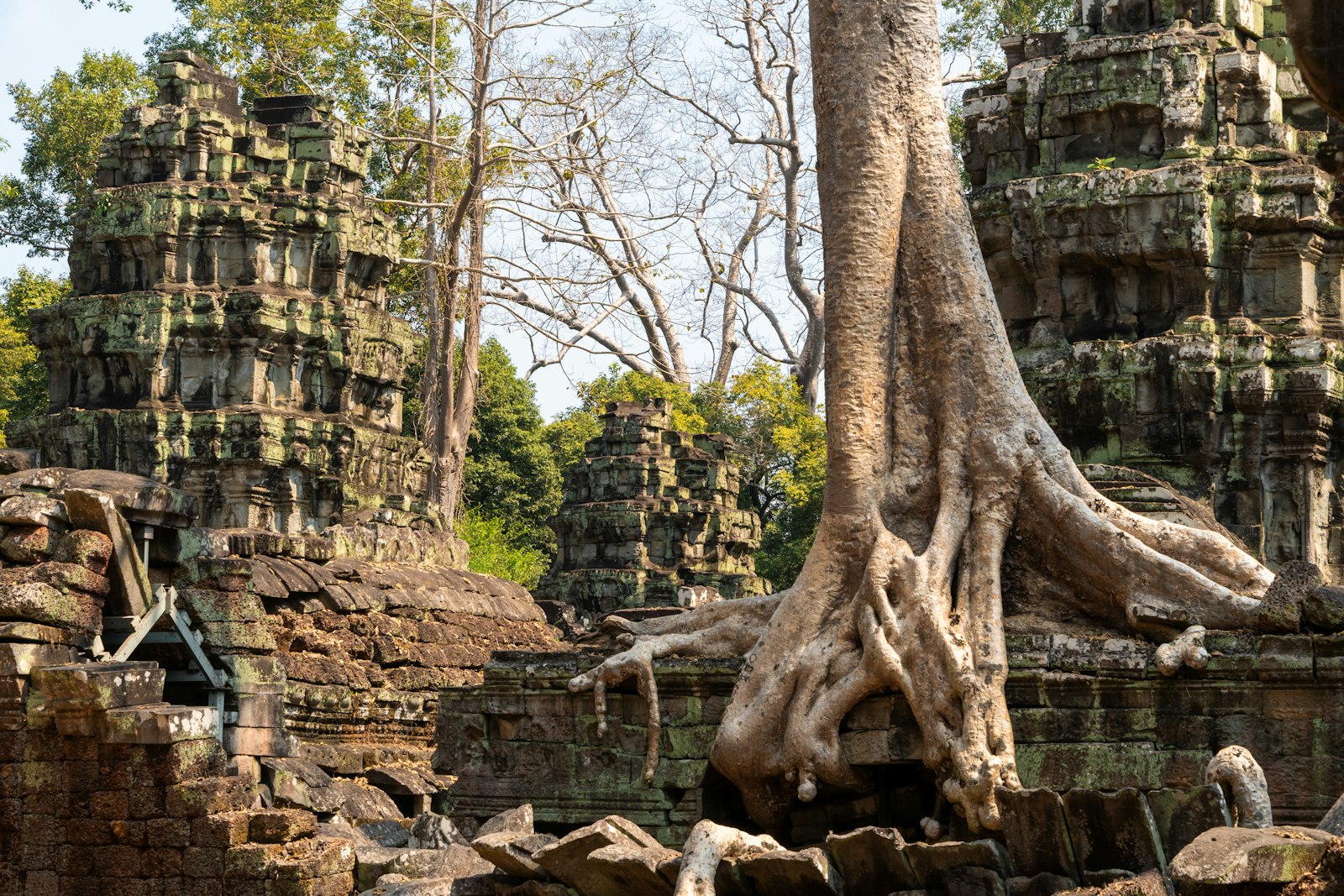
Most first-time visitors to Cambodia arrive with a single destination in mind and leave having seen little else — a few days among the temples, a flight home, and a country that remains largely unexplored. A proper grand tour asks for more patience than that: a route that begins, as it should, among the ruins, but continues on through river towns, coastal islands, and quiet highland country that most itineraries never reach. Cambodia rewards exactly this kind of unhurried, layered travel.
Starting where everyone starts, but staying longer
The temple complexes of the northwest remain, reasonably, the anchor of any Cambodia itinerary, and no amount of highland scenery or coastal calm should tempt a traveller to shortchange them. What most rushed visits get wrong is pace — arriving for a single sunrise and a single sunset before moving on, rather than allowing three or four full days to explore the wider temple network at something closer to a walking pace. The larger complexes reward early starts and late afternoons in roughly equal measure, with the harshest midday light best spent at a nearby lake town or simply resting before the evening’s exploration resumes.
The river as a spine, not a sideshow
From the temples, the natural route south follows the country’s great river system down towards the capital, and this stretch is frequently skipped entirely by travellers flying directly between temple town and capital. A slower route by boat or road along the river corridor passes through small towns with their own distinct rhythm — floating villages, riverside markets, and a version of rural Cambodian life considerably removed from the tourist trail further north. It is, in many ways, the most rewarding stretch of a Cambodia grand tour precisely because it is the one most visitors miss.
A loose grand tour structure
- Days 1–4: The temple complexes and surrounding lake country, paced slowly rather than rushed.
- Days 5–7: The river corridor south, by boat where possible, stopping in smaller towns along the way.
- Days 8–9: The capital, for its markets, colonial-era architecture, and considered dining rather than as a transit hub.
- Days 10–13: The southern coast and its islands, for a genuine change of pace after the density of the interior.
The coast most visitors never reach
Cambodia’s southern coastline and its scattering of islands remain, even now, considerably less developed than comparable stretches of coast elsewhere in the region — a genuine asset for travellers seeking a quiet final stretch to a longer trip. A composite example: a small island a short boat ride from the mainland, its handful of beachfront bungalows unpretentious and simply run, with little to do beyond swim, read, and watch fishing boats return at dusk. After the density of temples and river towns, the emptiness of the coast functions almost as a deliberate palate cleanser.
What makes a grand tour different from a highlights trip
The distinction between a rushed highlights trip and a genuine grand tour is less about distance covered than about the connective tissue between destinations — the river towns, the highland villages, the small unremarkable stops that a flight-based itinerary skips entirely. One long-time Cambodia guide put the difference plainly: “Anyone can see the temples in two days. What takes two weeks is understanding how the whole country fits together — the river feeding the lake, the lake feeding the rice, the rice feeding the temples that built all of it a thousand years ago.”
“Anyone can see the temples in two days. What takes two weeks is understanding how the whole country fits together.”
Markets and meals worth building a day around
Cambodian cuisine tends to sit slightly in the shadow of its more internationally famous neighbours, which is, for the traveller willing to seek it out, entirely to its advantage — a cuisine explored with genuine curiosity rather than pre-set expectations. Central markets in the country’s larger towns operate as the day’s real social hub as much as a place to buy food, and an early-morning visit rewards travellers with produce still arriving from the surrounding countryside, fish still moving in shallow trays of water, and a general sense of a place operating on its own unhurried logic rather than any tourist timetable. Regional specialities are well worth seeking out beyond the capital’s more polished restaurant scene: fermented fish pastes that form the backbone of much home cooking, freshwater fish prepared a dozen different ways depending on the region and the season, and a range of herbal soups that draw on the same abundant produce visible in the morning markets. The capital itself, once reached on a grand tour, offers a useful contrast — a small but genuinely interesting fine-dining scene has developed in recent years, drawing on traditional Khmer techniques and ingredients but presented with a level of polish that rural market stalls understandably do not attempt. Splitting time between the two registers, market-stall simplicity in the countryside and considered plates in the capital, gives a far more complete picture of Cambodian food than either extreme could offer alone, and it is a distinction well worth building deliberately into any longer itinerary through the country.
Cambodia within a wider regional circuit
For travellers with time for a longer regional trip, Cambodia pairs naturally with its neighbours — a route that continues into Cambodia and Laos the slow way offers one of the more rewarding overland circuits in mainland Southeast Asia, trading Cambodia’s rivers for Laos’s own considerably slower Mekong towns. Others extend westward into a fuller grand tour of Thailand, or eastward towards the coastal density of a grand tour of Vietnam, each offering a distinct counterpoint to Cambodia’s own particular rhythm.
When to travel, and how to pace it
The dry season, running roughly from November through April, offers the most reliable travel conditions, particularly along the river corridor where water levels can affect boat schedules considerably during the wetter months. Whatever the season, the single best piece of advice for a Cambodia grand tour is the same one that applies to the broader tradition of the return of the grand tour across the region: resist the urge to compress. A country this layered rewards exactly the kind of unhurried, multi-stop itinerary that the grand tour format was designed for, and Cambodia, more than most, has the range — temple, river, capital, coast — to make full use of it. Our Travel & Stays section carries further route ideas for travellers planning the fuller circuit.
Marcus writes on travel and hospitality across Asia, and is happiest a long way from a lobby.