The Best Gorge and Canyon Retreats
Not every retreat needs an ocean view. These gorge and canyon lodges trade horizon for verticality, and the river below does the rest of the work.
 By Marcus Lim
31 August 2026 · 5 min read
By Marcus Lim
31 August 2026 · 5 min read
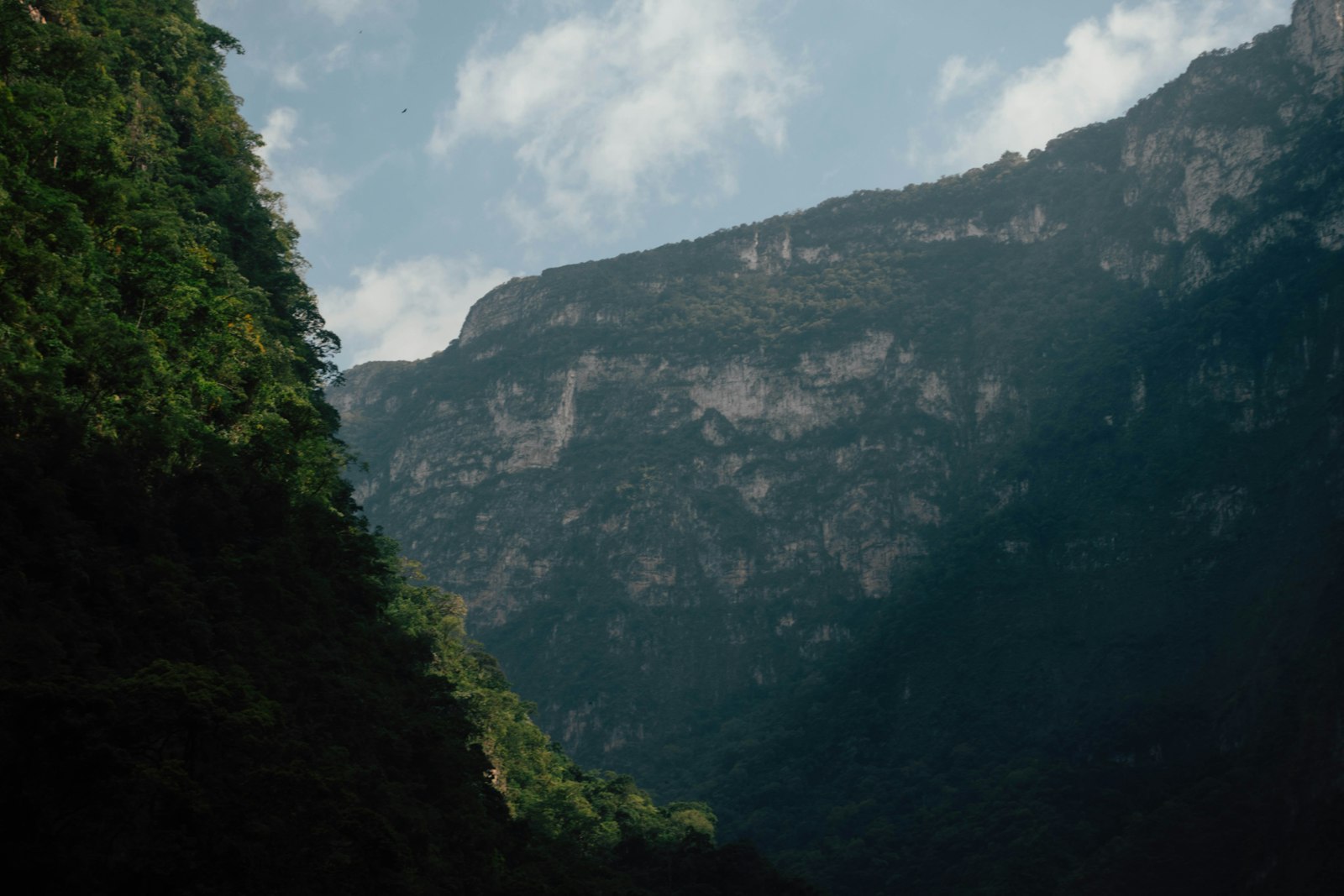
Most luxury retreats are built around a horizon — an infinity pool aimed at the sea, a terrace framing a distant mountain range, a room designed to make the eye travel as far as possible before landing. Gorge and canyon retreats do something almost opposite. They build inward and downward, toward a river cut deep into rock over millennia, and the drama they offer is vertical rather than distant. Standing on a canyon-edge terrace, looking down at water moving two hundred metres below, produces a different kind of vertigo than any ocean view — more physical, less scenic, considerably harder to look away from.
A handful of properties across Asia have built entirely around this geography, and they reward a specific kind of traveller: one who wants the sound of moving water at night, sheer rock for a view, and rooms positioned to make the most of a landscape that most resort architecture avoids entirely.
The suspended lodges of the deep gorges
In a handful of river gorges across the region’s mountain interior, small lodges have been built quite literally into the canyon wall — cantilevered decks, glass-floored corners, rooms with one side open entirely to the drop. These are not for the vertigo-prone, but for those who can manage it, waking to a room filled with the sound of rapids far below is one of the more startling ways to start a morning in luxury travel. The same terrain rewards a broader look at our guide to limestone and karst escapes, since many of the region’s deepest gorges are cut through exactly this kind of rock.
The canyon-rim resorts of the high desert
Further into the region’s drier interior, a different style of canyon retreat has emerged — low, sprawling, built along the rim rather than clinging to the wall, with private plunge pools positioned to catch both the sunset and the drop beyond it. Nights here are cold and extraordinarily clear, and the same silence that makes the daytime views so striking becomes, after dark, one of the better places in the region for uninterrupted stargazing. Anyone drawn to this kind of open, dry drama should also read our guide to stargazing and dark skies, much of which overlaps with this canyon country.
The river lodges below the gorge
Not every canyon retreat sits at the rim — some of the most memorable are built down at river level, tucked into a widened bend where the walls pull back just enough for a handful of bungalows and a shared dining pavilion. Staying down here trades the dramatic overview for genuine immersion: rock walls rising sheer on either side, the river close enough to swim in at the right season, and a sense of enclosure that rim properties, for all their views, cannot quite replicate. These lodges tend to double as a base for gentler adventure, and pair naturally with our guide to rainforest and jungle lodges for travellers building a longer itinerary through similar terrain.
What to know before booking
- Rim properties generally offer stronger views; river-level lodges offer stronger atmosphere and cooler daytime temperatures.
- Check the season carefully — many gorges run high and fast in the wet months, closing river access and some walking trails entirely.
- Bring proper footwear; even the most polished canyon retreats involve genuine walking on uneven rock paths.
- Book end rooms where possible, since canyon-facing units at the centre of a lodge often share walls and lose some privacy.
“Guests always ask for the room closest to the edge,” a lodge manager in one such gorge told me, walking the rim path at dusk. “By the second night, most of them have realised the sound matters more than the view — and you can hear the river from every room here.”
What there is to do beyond the view
The best canyon retreats treat the gorge itself as the primary activity rather than a backdrop for something else — guided walks along rim paths at dawn, when the light rakes sideways across the rock and the temperature is still bearable; slow descents to the river by rope-assisted trail for those with the legs for it; and, in a handful of properties, small guided kayak or raft outings on calmer stretches of water below. Evenings tend to be built around the same geography in a quieter register: a fire pit positioned at the rim, dinner served as the canyon walls lose their colour and go first amber, then grey, then simply dark. None of this requires much beyond sturdy shoes and a willingness to be outdoors at slightly inconvenient hours, which is, in a sense, the whole point of choosing this kind of retreat over a more conventional resort.
Reading the landscape properly
What separates a genuinely good gorge retreat from one merely built near a dramatic view is restraint — the best of them let the canyon do the talking, keeping architecture low, materials local, and lighting deliberately dim after dark so the stars and the drop both remain visible. Overbuilt resorts in this kind of terrain tend to compete with the landscape rather than defer to it, and the difference shows immediately on arrival: a canyon-edge property with too much glass, too many uplights and too large a footprint tends to flatten exactly the drama it was built to sell, while a smaller, quieter build lets the rock face do all the work it was always going to do regardless. For more on how this kind of dramatic, unglamorous-in-the-photographs terrain fits into the wider region, our travel and stays section covers the full range of it.
There is a specific kind of quiet that settles over a canyon at night — no waves, no wind particularly, just the constant, distant sound of moving water far below. It is not a view that photographs especially well from a hotel brochure, and perhaps that is precisely why it remains, for now, one of the less crowded and more genuinely restorative forms of luxury retreat left anywhere in the region.
Marcus writes on travel and hospitality across Asia, and is happiest a long way from a lobby.