
The Best Limestone and Karst Escapes
Towering limestone peaks and hidden lagoons define some of Asia's most dramatic scenery, and a handful of destinations pair the landscape with a proper stay.
 By Marcus Lim
31 August 2026 · 6 min read
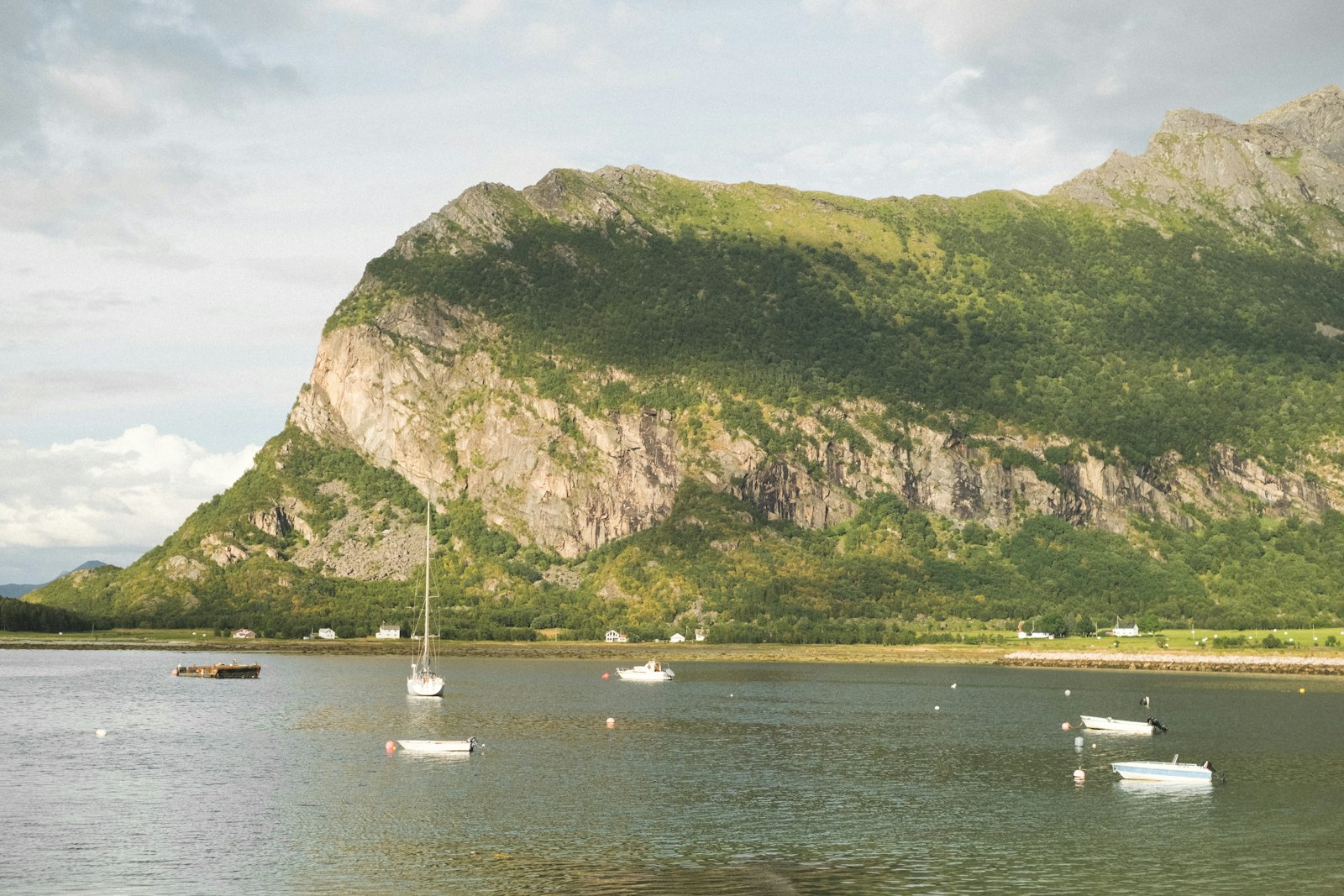
There is a category of landscape that photographs so consistently well it starts to feel almost artificial, and Asia’s karst country belongs firmly to that category — sheer limestone towers rising straight out of still water, riddled with caves and hidden lagoons, the kind of scenery that looks lifted from a period scroll painting rather than shot on a modern camera. It is real, and it is genuinely worth the trip, provided you choose your base with some care.
How karst landscapes form, and why it matters
The same process that produces dramatic towers above water continues below the surface, carving submerged caves and arches that divers and sea kayakers spend entire trips exploring. Because limestone dissolves unevenly, depending on mineral composition and the path of ancient water flow, no two karst regions look quite alike — some produce tightly clustered towers, others wide, cathedral-like caves, and a few manage a striking combination of both within a single bay.
Karst topography forms over millions of years as slightly acidic water dissolves limestone bedrock, carving caves, sinkholes and, eventually, the dramatic standalone towers that define these landscapes when the surrounding rock erodes away entirely. Understanding the geology, even briefly, changes how you experience the scenery — those towers are not decoration but survivors, the hardest remaining fragments of a much larger plateau that has otherwise vanished into the sea or the soil over an almost incomprehensible span of time.
Where the drama concentrates
Scale is genuinely difficult to convey in a photograph, since the towers that appear modest in a wide shot are frequently well over a hundred metres tall, dwarfing the small boats that pass beneath them. Standing at the base of one, craning your neck to see the top, communicates something no drone image quite manages — the sheer physical improbability of rock this steep and this tall having survived while everything around it slowly wore away over geological time.
Bay and lagoon country
The most famous karst landscapes sit in sheltered bays, where thousands of limestone islets crowd together over calm, often emerald-coloured water. A slow boat through this kind of scenery, ideally over a full day rather than a rushed cruise, remains one of the more genuinely awe-inducing travel experiences available in the region — the scale only really registers once you’re moving through it rather than viewing it from a single fixed point.
River and inland karst
A quieter but equally striking version of the same geology appears inland, where rivers cut through limestone valleys lined with rice paddies and small farming villages. These landscapes reward a slower, more active visit — cycling or a gentle river cruise — and tend to attract fewer visitors than the coastal bays, which suits travellers looking for the scenery without the crowds. Our guide to cave and karst landscapes covers several of these inland stretches in more depth, including a number of cave systems accessible only by boat.
Islands within the karst
Several karst regions include genuine islands with beaches tucked between the limestone towers, offering the rare combination of dramatic scenery and a proper swim. These spots require some planning to reach comfortably — the best beaches are rarely the ones nearest the main tourist jetties — but a good local operator or a private boat charter makes the difference between a crowded viewpoint and a nearly private cove. Travellers extending south should also look at our piece on the islands of the Andaman Sea, which shares much of the same underlying geology in a different setting.
Making the most of a karst trip
It is worth budgeting more time than seems strictly necessary, since weather has an outsized effect on how the landscape reads — a hazy midday can flatten even the most dramatic bay into a grey smear, while a clear, still morning turns the same view into something genuinely breathtaking. Travellers on a tight schedule are often better served by a single well-timed excursion than a rushed attempt to see every viewpoint the region offers.
Light matters enormously in karst country — the low sun of early morning and late afternoon picks out the texture of the limestone in a way flat midday light simply cannot, so it is worth structuring a day around those windows rather than a standard tour schedule. Kayaking, where available, remains the best way to get close to the towers and their hidden lagoons, many of which are only accessible through narrow, tide-dependent openings that larger boats cannot reach.
- Time boat trips for early morning or late afternoon light
- Choose a kayak or small private boat over a large group cruise wherever possible
- Stay at least two nights rather than a single rushed day trip from a larger city
- Bring reef-safe sunscreen and check tide times before planning any cave visits
“The towers change completely with the light. Midday, they’re just grey rock. At six in the morning, they’re gold, and you understand why people have been painting this place for a thousand years,” a boat guide working the bay told us.
Caves worth the detour
Karst geology doesn’t stop at the waterline, and some of the most rewarding stops in these regions lie underground. Cave systems carved through the same limestone often extend for kilometres, with chambers large enough to hold entire villages and rivers that run through in complete darkness. A guided cave visit, ideally with a small local operator rather than a large tour group, adds a genuinely different register to a trip otherwise focused on open water and towering peaks — cool air, deep silence, and rock formations built up over tens of thousands of years by the same slow chemistry that shaped the coastline above.
Building it into a wider route
Karst country rarely needs to stand alone — several of the best regions sit within easy reach of the marine encounters covered in our piece on dugong and sea-grass encounters, or can anchor a longer coastal itinerary through the wider region. For travellers assembling a broader trip, our Travel & Stays section has further coastal and island guides worth pairing with a karst-focused stretch.
However familiar the images may feel before you arrive, the scale of these landscapes in person tends to outdo the photographs entirely — reason enough to give the trip proper time rather than folding it into a single rushed day.
Marcus writes on travel and hospitality across Asia, and is happiest a long way from a lobby.


