The Best Fabrics for a Morning Coat
The morning coat is worn rarely and remembered vividly for decades. Here is how to choose the fabric that will make it worth the tailoring bill.
 By Daniel Koh
31 August 2026 · 5 min read
By Daniel Koh
31 August 2026 · 5 min read
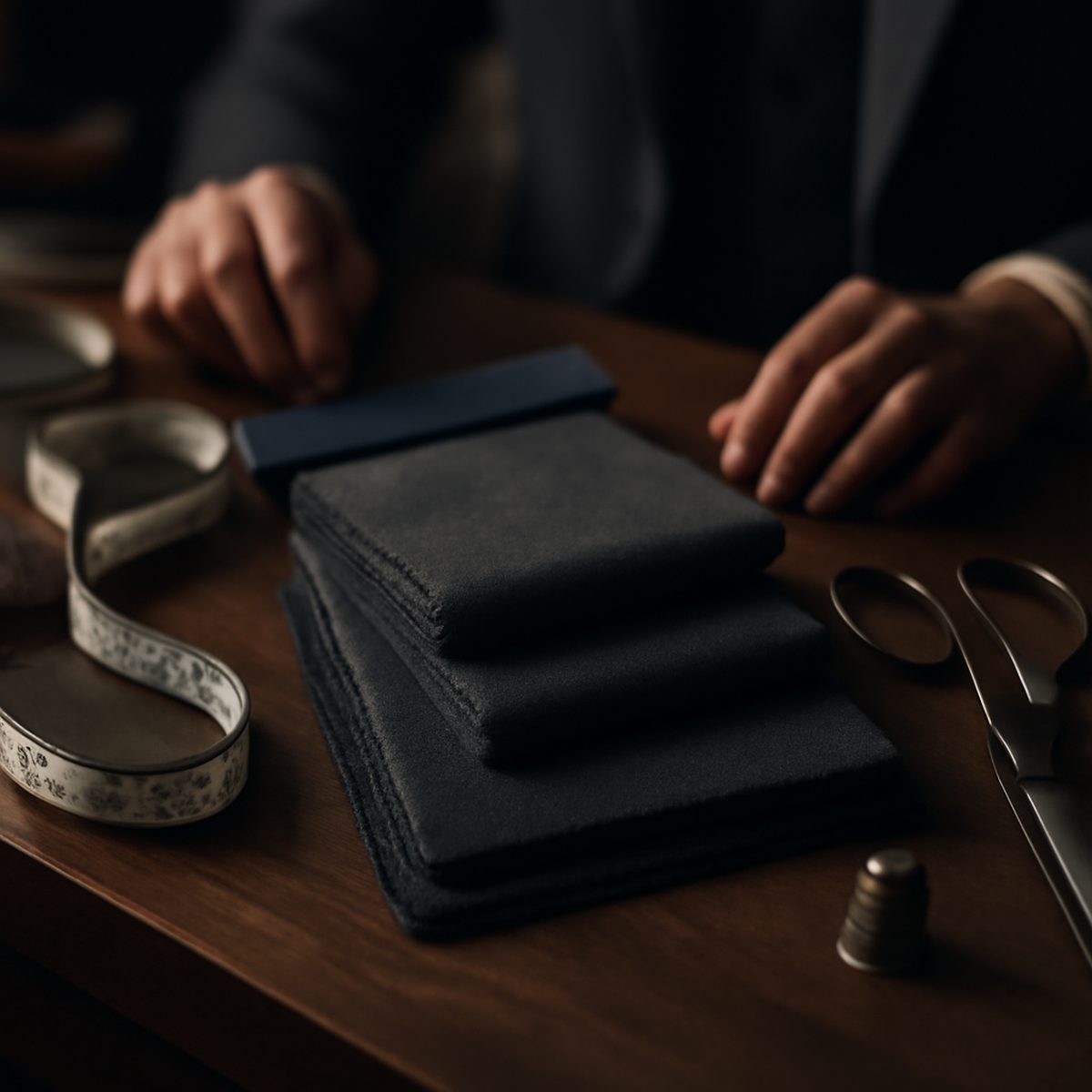
There are perhaps three or four occasions in a man’s life that call for a morning coat, and Singapore’s calendar of garden weddings, race days and the odd formal daytime function means those occasions do come, however rarely. Because the garment is worn so seldom, most men treat the fabric choice as an afterthought — get the cut right, they reason, and the cloth will look after itself. It will not. A morning coat lives or dies on how the fabric drapes across the peaked lapel and skirts the tails, and on a hot, humid day, the wrong cloth will show its discomfort in a way a lounge suit never does.
Why Fabric Matters More in a Morning Coat
Unlike a suit jacket, which is cut to a relatively forgiving silhouette, a morning coat has a fitted waist, a cutaway front and long tails that need to hang cleanly rather than flare or crease. A cloth with too much give will lose that shape within the hour; one that is too stiff will look like cardboard rather than tailoring. The fabric also has to survive standing for long stretches — at a wedding reception, on a racecourse lawn — in Singapore’s heat, which rules out the heavier worsted weights that a morning coat might traditionally wear in a temperate climate.
The Classic Choice: Barathea
Barathea, a fine, tightly woven worsted with a subtle pebbled texture, remains the traditional choice for morning coats and for good reason. Its weave gives it a matte, almost velvety finish that photographs beautifully and holds a crease at the lapel without looking artificially pressed. In a tropical climate, the weight matters enormously: a barathea at around 260–280 grams will hold its structure through a long day without becoming unbearable, whereas anything heavier starts to work against the wearer by the second hour outdoors.
Herringbone and Sharkskin as Alternatives
A fine herringbone weave offers a similar formality to barathea with slightly more visual texture, which some tailors argue photographs better under the flat light of an outdoor event. Sharkskin — a two-tone twill that shifts subtly between shades depending on the light — is a less traditional but increasingly popular choice for the trousers specifically, offering a bit more visual interest than the plain striped trouser without straying from formality. Anyone building out formal daywear more broadly might find our guide to the best fabrics for a dinner jacket useful for the evening equivalent of this same fabric logic.
A Short Comparison
- Barathea: matte finish, holds shape, the safest and most traditional choice.
- Herringbone: more texture, slightly less formal, forgiving of minor tailoring adjustments.
- Sharkskin (trousers): subtle two-tone shimmer, best paired with a plain barathea coat.
Weight, Weave and the Singapore Problem
The single biggest mistake made when ordering a morning coat in the tropics is importing a fabric weight suited to a European spring. A cloth that reads as elegant at 15 degrees Celsius in London becomes a genuine ordeal at 32 degrees and near-total humidity in Singapore. A good tailor here will steer a client toward a lighter-weight barathea or a wool-mohair blend that keeps the necessary structure while shedding significant weight — the mohair content adds a slight sheen and helps the cloth resist creasing, which matters when the coat is worn for photographs that will be looked at for decades. Breathability should never be sacrificed for tradition’s sake; the two are not actually in conflict if the right weight is chosen from the outset.
“Most men order the fabric they saw in a film set in autumn,” one Singapore tailor observed, “and then wonder why they’re sweating through the ceremony.”
Colour and Finish
Charcoal and black remain the standard for the coat itself, with the choice largely dictated by the formality of the event and, in Singapore, by how the light will read in photographs taken outdoors — charcoal tends to look less severe than true black under bright tropical sun. The waistcoat offers the one place for genuine self-expression: a dove-grey, buff or subtly patterned silk waistcoat lifts the whole ensemble without breaking any rule of formality. Whatever is chosen, the fabric should be seen before the final fitting under the same kind of light the event will actually take place in, since fabric that looks perfectly matte under a tailor’s shop lighting can behave very differently under full daylight.
Lining, Interlining and the Unseen Fabric Choices
The fabrics nobody sees matter almost as much as the outer cloth, particularly in a hot climate. A heavy canvas interlining, standard in traditionally constructed coats, adds structure but also traps heat against the body; a lighter, half-canvassed or fused construction sacrifices a small amount of shape retention for a genuinely more bearable few hours of wear. The lining fabric should be a breathable silk or a silk-blend rather than a synthetic — cheaper linings trap moisture against the shirt and can leave a sheen on the wearer’s back by the time the ceremony photographs are taken. A tailor experienced in tropical formalwear will usually recommend a lighter interlining than the traditional pattern calls for, and this is worth trusting rather than resisting, since the goal is a coat that survives Singapore’s heat while still holding the silhouette the occasion demands. It is a similar calculation to the one made when selecting fabrics for a country suit or any structured tailoring meant to be worn for hours at a stretch outdoors, where comfort and shape need to be balanced rather than one sacrificed entirely for the other.
A morning coat is not an investment made often, which is exactly why the fabric deserves real thought rather than a rushed decision at the final fitting. Choose a barathea or fine herringbone at a tropical-appropriate weight, keep the palette classic, and the coat will do its job quietly and well on the one or two days a year it is called upon — the same discipline that governs any considered piece in a Style & Watches wardrobe, applied to the rarest garment most men will ever own.
Daniel has spent fifteen years arguing that the best watch is the one you never take off.