The Best Eco-Luxury Lodges in Asia
Real eco-luxury goes well beyond bamboo furniture and a recycling bin. Here is how to spot genuine sustainable design in Asia's lodges, and where it works.
 By Marcus Lim
30 August 2026 · 6 min read
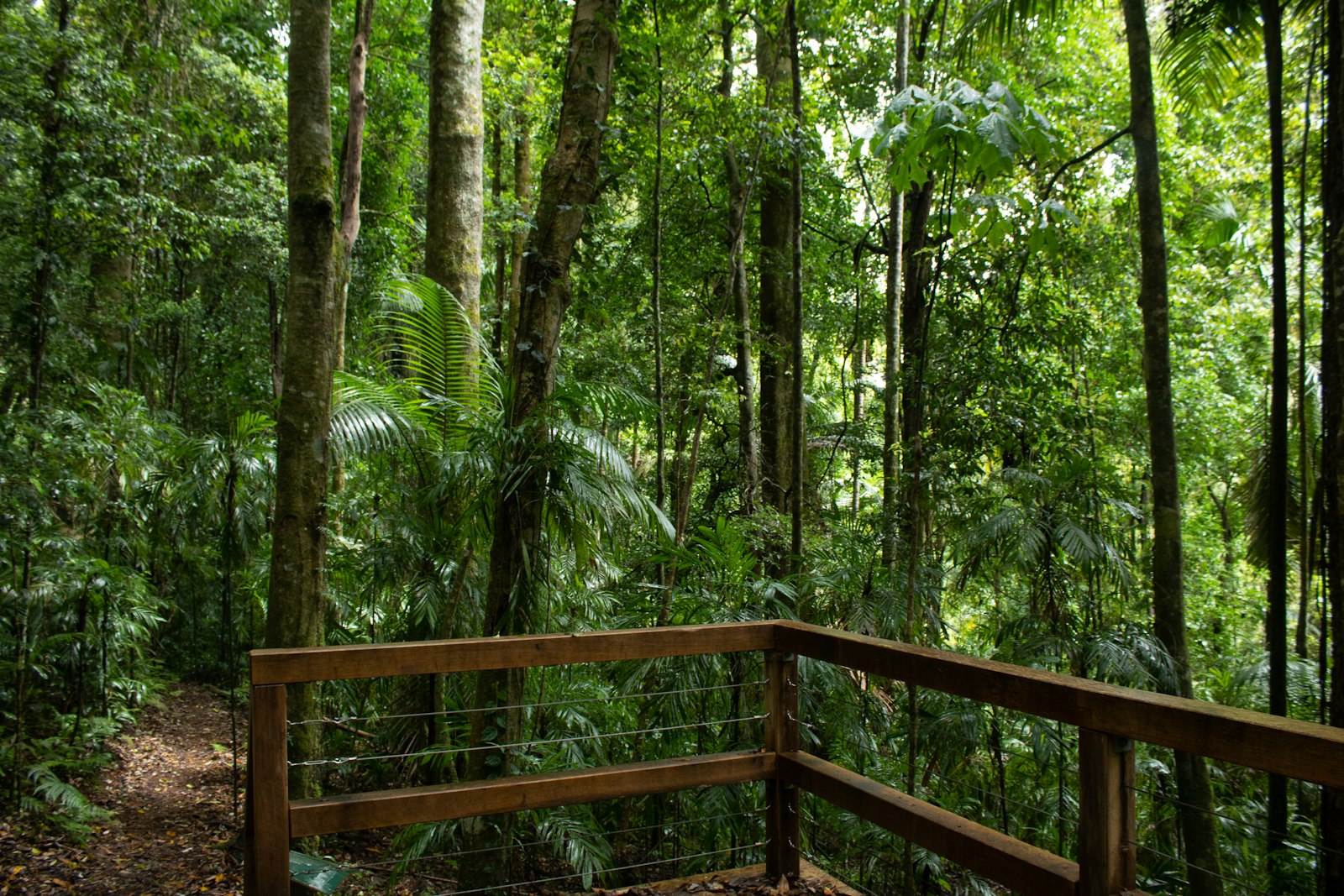
“Eco-luxury” has become one of hospitality’s most overused phrases, applied liberally to any property with a bamboo headboard and a printed card asking guests to reuse their towels. Genuine sustainable luxury asks considerably harder questions than that — where the building materials came from, how the property manages its water and waste, whether the surrounding ecosystem is actively protected or simply used as a backdrop, and whether the local community benefits meaningfully from the property’s presence rather than being displaced by it. Asia’s better eco-lodges have started answering these questions properly, and the gap between them and the merely decorative version has never been more visible.
The clearest tell, in practice, is what a property is willing to show you rather than just tell you. A lodge confident in its sustainability credentials will happily walk guests through its water treatment system, its composting programme, or its relationship with the surrounding community — details a marketing-driven property tends to gloss over in favour of vaguer language about “harmony with nature.”
Building With, Not Against, the Landscape
The most convincing eco-lodges are designed around their site rather than imposed on it — structures raised on stilts to avoid disturbing root systems, materials sourced locally rather than shipped in at enormous carbon cost, and layouts that work with existing tree cover and water flow rather than clearing them for a more conventional footprint. This approach costs more and takes longer to build than a standard resort, which is part of why genuinely committed eco-lodges tend to be smaller in scale, with a handful of well-considered suites rather than sprawling room counts.
Energy Independence as a Real Signal
Off-grid or substantially solar-powered properties represent one of the clearer, more verifiable markers of genuine commitment, since a lodge either has meaningful renewable capacity or it doesn’t, and the claim is relatively easy to check against what’s actually installed on-site. A remote jungle or island lodge running largely on solar and battery storage, rather than diesel generators kept mostly out of sight, has typically made significant upfront investment specifically because sustainability was a founding priority rather than a marketing addition applied after the fact. Ask directly what percentage of the property’s power comes from on-site generation — the answer, and how quickly staff can give it, tells you a great deal.
Rainforest and Jungle Settings
Southeast Asia’s rainforest lodges represent some of the category’s most convincing examples, built around active conservation partnerships rather than simply borrowed scenery. Our guide to the best rainforest and jungle lodges covers several properties doing this particularly well, with canopy-level suites that put guests genuinely inside the ecosystem rather than merely overlooking it from a comfortable distance.
Food Sourcing as an Extension of the Same Philosophy
A genuinely eco-conscious lodge tends to extend its principles into the kitchen as well, sourcing produce from on-site gardens or nearby smallholder farms rather than importing the bulk of its ingredients from distant supply chains. This isn’t purely about carbon footprint — it also strengthens the local economic relationships that make a property’s broader sustainability claims more credible. Menus that name the specific farm or fisherman behind a dish, and that shift meaningfully with the seasons rather than running an identical menu year-round regardless of what’s actually available locally, are a reliable sign the kitchen is genuinely integrated with its surroundings rather than simply flying in whatever a five-star property’s supply chain typically demands.
Water and Waste: The Unglamorous Metrics That Matter
The least photogenic aspects of eco-luxury are often the most important. Greywater recycling, solar capacity, and genuine waste reduction programmes rarely make it into a property’s marketing photography, but they’re the clearest indicator of whether sustainability is structural or cosmetic. Ask directly, when booking or checking in, what percentage of the property’s energy comes from renewable sources, or how food waste is handled — a well-run eco-lodge will have a specific, confident answer rather than a vague gesture toward good intentions.
A conservation-focused lodge owner in the region put it directly: “Anyone can put up a thatched roof and call it eco. The real test is what happens to the water after your shower, and most guests never think to ask.”
Wildlife Encounters Handled Responsibly
Many of Asia’s eco-lodges are built specifically around access to wildlife, and how that access is managed matters enormously to whether the claim of environmental care holds up. Guided walks kept to small groups, strict distance protocols around nesting or denning animals, and a genuine refusal to stage encounters for guest convenience — no baiting, no handling of wild animals for photographs — separate a property with real conservation credentials from one simply using wildlife as a marketing asset. The better lodges are usually upfront about these limits before you even arrive, treating them as a point of pride rather than an inconvenience to guests expecting guaranteed sightings.
Community Involvement as a Genuine Metric
The strongest eco-luxury properties treat their surrounding community as a genuine stakeholder rather than a source of low-cost labour — local ownership stakes, staff drawn substantially from nearby villages, and guest programming that channels tourism revenue directly back into conservation or education efforts. This is harder to verify from a booking page than the physical design elements, but it’s often the more meaningful measure of whether a property’s sustainability claims hold up under scrutiny. Our wider piece on sustainable luxury, beyond the buzzword digs further into how to evaluate these claims across the hospitality industry generally, well beyond lodges specifically.
Where the Category Overlaps With Mountain and Ski Lodges
Asia’s eco-luxury movement isn’t confined to rainforest settings — a growing number of mountain and ski properties are applying similar principles at altitude, managing water scarcity and energy use with comparable seriousness. Readers drawn to this style of considered, low-impact design at higher elevation should also read our guide to the best boutique ski lodges, several of which share both an aesthetic sensibility and an operational philosophy with their jungle counterparts.
Questions Worth Asking Before You Book
- What specifically makes this property “eco” — ask for details beyond the marketing language.
- How is the local community involved, beyond staffing?
- What happens to waste and wastewater on-site?
A Category Worth the Scrutiny
Genuine eco-luxury, done properly, offers something a conventional resort structurally can’t — a stay that leaves its setting better rather than merely less damaged, and an experience that feels earned rather than simply purchased. For the rest of Asia’s most considered stays, our Travel & Stays section is worth exploring further, but the properties genuinely getting sustainability right deserve the extra scrutiny it takes to find them among the many merely borrowing the language.
Marcus writes on travel and hospitality across Asia, and is happiest a long way from a lobby.