Forty-Eight Hours in Sapporo
Sapporo is easy to underrate as a mere stopover. Given two focused days, it delivers market seafood, real powder snow, and a whisky scene worth the detour.
 By Marcus Lim
30 August 2026 · 6 min read
By Marcus Lim
30 August 2026 · 6 min read

Sapporo tends to get treated as a stopover — a stepping stone to Niseko’s powder or Hakodate’s night views, worth a night at most before moving on. That’s a mistake. Hokkaido’s capital is a genuinely rewarding city in its own right, compact enough to cover properly in two focused days, and built around a set of pleasures — market seafood, considered whisky, real winter — that reward a visitor willing to slow down rather than rush through on the way to somewhere else.
The city’s layout makes efficient use of a short visit easier than most Japanese cities of comparable size. Central Sapporo is walkable, the subway system is simple enough to navigate without much planning, and the distance between the city’s key districts is short enough that a well-sequenced two days doesn’t feel rushed, even accounting for Hokkaido’s genuinely cold winters slowing everyone’s pace.
Day One: Market, City, Snow
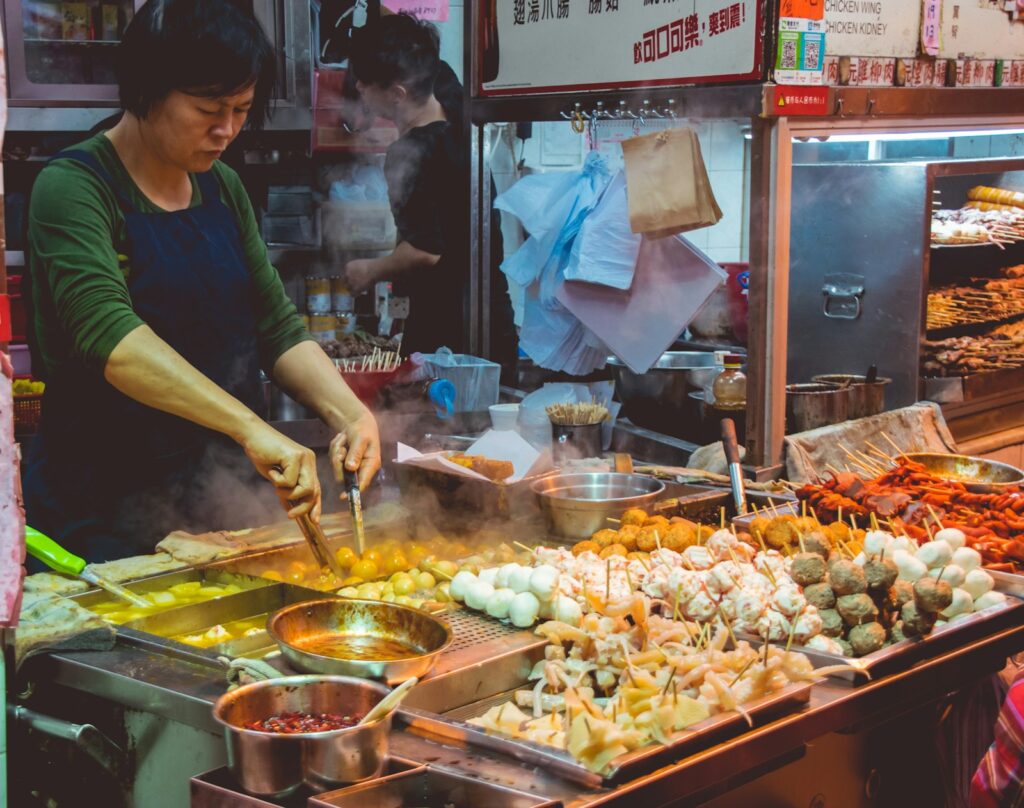
Start early at Nijo Market or, for a slightly more serious version of the same experience, Sapporo Central Wholesale Market’s outer market — both built around Hokkaido’s exceptional seafood, with sea urchin, crab, and salmon roe at a freshness rarely matched outside the prefecture. A breakfast bowl of kaisendon, thick-cut sashimi over rice, eaten while the market is still setting up around you, is one of the more purely satisfying ways to start a day anywhere in Japan.
A Note on Where to Base Yourself
Central Sapporo, particularly the area around Odori Park and Susukino, remains the most practical base for a short visit, keeping the market, the main sights, and the evening dining district all within an easy walk or a short subway ride of each other. Travellers extending into a longer Hokkaido trip sometimes choose to stay slightly further out for better access to ski areas, but for a genuine two-day city visit, sacrificing that central convenience rarely pays off — the time saved on transit is worth more than any marginal saving on accommodation further afield.
Afternoon: The Old Government Building and Odori Park
The afternoon suits a slower pace through central Sapporo — the red-brick former Hokkaido Government Office building, one of the city’s most photographed structures, and Odori Park, which runs through the city centre and transforms completely by season, from a cherry-blossom promenade in spring to the centrepiece of February’s Sapporo Snow Festival. Even outside festival dates, the park’s scale and the surrounding grid of streets make for an easy, unhurried walk between the city’s central sights.
Day One, Evening: Beer, Ramen, and a Late Whisky
Sapporo’s beer heritage runs deep — the Sapporo Beer Museum, housed in the original brewery building, is worth an hour if brewing history interests you, and the surrounding beer garden makes a good early-evening stop. Ramen Yokocho, a narrow alley packed with tiny ramen counters, is the obvious dinner choice, and Sapporo’s miso ramen — a style the city essentially invented — deserves the detour on its own merits. For a slower nightcap, the city’s whisky bars deserve real attention; Hokkaido sits close to some of Japan’s most respected distilleries, and a proper flight here is a genuinely different experience from ordering the same bottles overseas. Our field guide to Japanese whisky is worth reading before this evening specifically, since several bars stock verticals rarely seen outside the region.
A Sapporo-based guide summed up the city’s appeal simply: “People come through for the snow and leave surprised by the food. It should really be the other way around — this city was built on both.”
Day Two: Snow, if the Season Allows
If travelling between December and March, dedicate the second day to snow. Sapporo sits close enough to several respected ski areas that a day trip is entirely feasible without an overnight stay elsewhere, and the powder quality across Hokkaido’s resorts remains some of the most consistent in the world. Readers planning a longer winter itinerary around the region should read our broader guide to the best ski escapes in Japan, which covers how to extend a Sapporo base into a fuller Hokkaido ski trip if two days turns into a week.
Day Two, Alternative: Beyond the Slopes
Outside ski season, the second day suits a slower exploration of Sapporo’s surrounding countryside — Moerenuma Park, an entire landscape designed by sculptor Isamu Noguchi, offers a genuinely different pace and perspective from the city centre, particularly striking under snow. A visit to one of the region’s onsen towns, a short train ride out, is also a worthwhile way to close out a trip, easing travel fatigue before a flight home.
Getting Around Without Overplanning
Sapporo’s subway network covers the city’s key districts efficiently, and a day pass is generally the most economical option for a visit built around several separate stops rather than one fixed area. Taxis remain reasonably priced by comparison with other major Japanese cities and are a sensible option late in the evening or in genuinely heavy snow, when walking between districts loses much of its appeal. Renting a car is rarely worth the complication for a two-day city-focused trip, though it becomes considerably more useful if the itinerary extends into the surrounding countryside or toward Hokkaido’s ski areas beyond a simple day trip.
Practical Notes Worth Knowing
- Winter temperatures drop well below freezing; proper layering matters more here than in most of Japan.
- New Chitose Airport connects easily to central Sapporo by train, roughly forty minutes, making a short trip genuinely practical.
- Book dinner reservations at popular ramen counters ahead where possible — queues build fast, especially on weekends.
Worth More Than a Layover
Sapporo rewards exactly the kind of attention most travellers reserve for its more famous neighbours — given two properly planned days, it delivers a genuinely complete trip on its own terms, market seafood and considered whisky and real snow all within easy reach of each other. For readers building a longer Japan itinerary around it, our Travel & Stays section covers plenty more of the country beyond Tokyo and Kyoto, and Sapporo, treated properly rather than rushed through, deserves its place at the centre of that itinerary rather than the edge of it.
Marcus writes on travel and hospitality across Asia, and is happiest a long way from a lobby.