The Best Culinary Cities in Asia
A handful of Asian cities reward a trip planned entirely around food. Here is how to identify them properly, and build an itinerary that does them justice.
 By Marcus Lim
30 August 2026 · 6 min read
By Marcus Lim
30 August 2026 · 6 min read
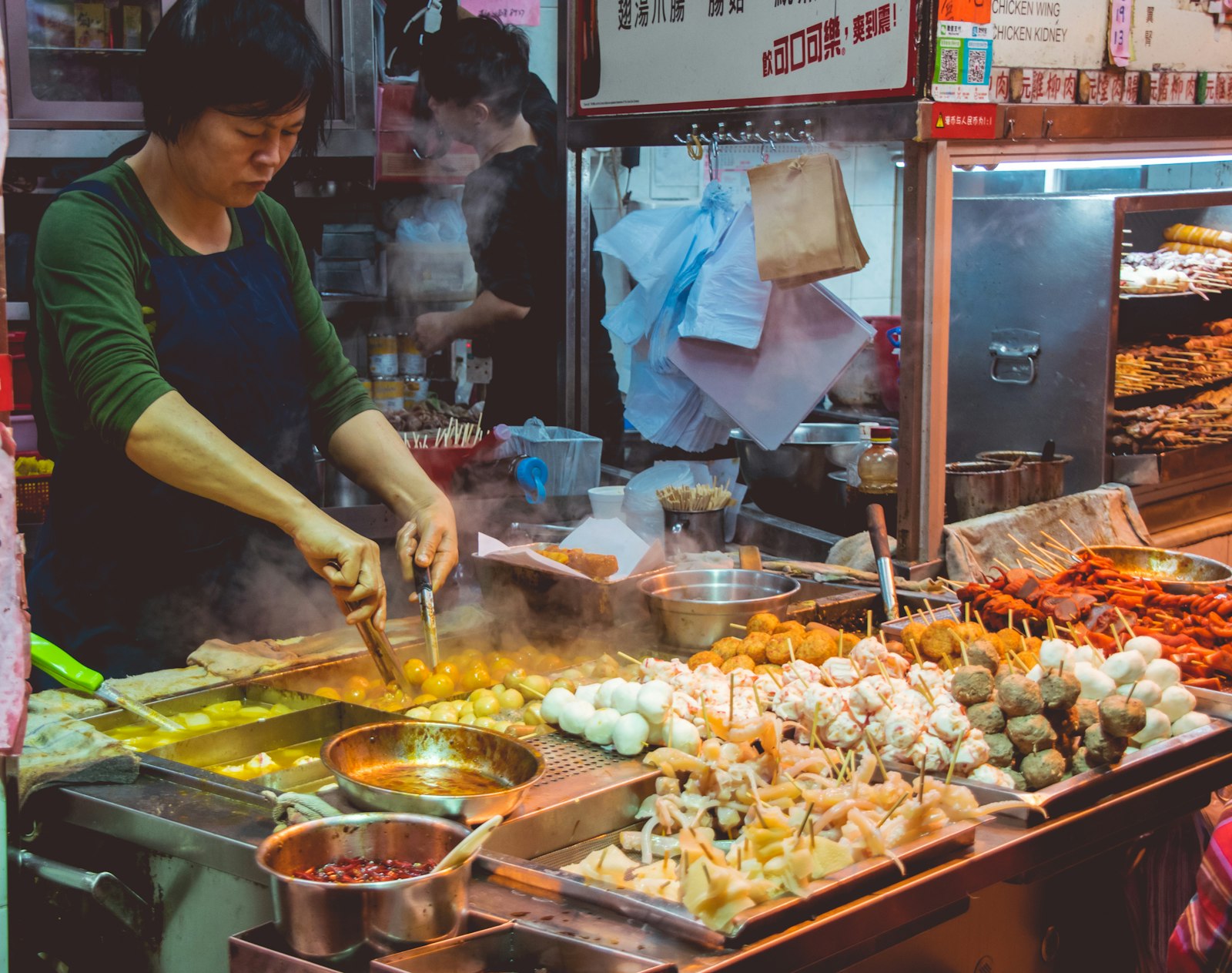
Every city claims to be a food destination now, which has made the label nearly meaningless. The cities actually worth planning a trip around for their food alone share a smaller, more specific set of qualities: genuine depth across price points, from street stalls to formal dining rooms; a food culture that’s evolved organically rather than been built for tourists; and enough variety that a week of eating doesn’t start repeating itself by day four. Asia holds a disproportionate number of cities meeting that bar, and building a trip around eating rather than sightseeing turns out to be one of the more rewarding ways to actually understand a place.
The best culinary cities also tend to reward a particular travel style — less rigid itinerary, more willingness to follow a good smell down an unfamiliar alley, and a genuine openness to eating at odd hours dictated by when the best stalls or kitchens happen to be operating rather than a fixed schedule.
What Actually Makes a City “Culinary,” Beyond Marketing
A genuinely great food city has street food and fine dining in active conversation with each other, rather than existing as separate, unrelated worlds — chefs drawing openly on hawker or market traditions in formal settings, and the reverse, technique from professional kitchens filtering back down into humbler stalls. This cross-pollination is a better indicator of a city’s food culture depth than any single Michelin count, and it’s worth watching for specifically when evaluating whether a destination lives up to its culinary reputation.
Street Food Isn’t a Lesser Category
One of the clearest markers of a genuinely great culinary city is how seriously it treats street food relative to formal dining, and a growing number of Asia’s best street vendors now hold cooking pedigrees and dedication to craft that would be entirely at home in a fine-dining kitchen — decades spent perfecting a single dish, sourcing relationships built over years, techniques passed down rather than picked up casually. Treating a plastic-stool noodle stall with the same respect and curiosity as a formal tasting menu, rather than as a cheaper, lesser substitute, is often the single biggest mindset shift that separates a genuinely rewarding food trip from a merely well-fed one.
Building an Itinerary Around Meals, Not Sights
The most effective approach to a food-focused trip inverts the usual travel planning logic — decide on your meals first, then fill the gaps between them with sightseeing, rather than the reverse. This means booking a small number of genuinely essential restaurant reservations well ahead of arrival, then leaving markets, street food, and casual meals entirely open and spontaneous, discovered on foot rather than pre-researched to death.
Structured Culinary Travel, if You Want the Guidance
For travellers who’d rather not build the itinerary themselves, a growing number of operators now run trips built specifically around eating — market visits, cooking classes, and reservations at hard-to-book kitchens bundled into a single guided experience. Our guide to the best cooking holidays and culinary tours covers this option in more depth, useful particularly for travellers wanting genuine access to kitchens and producers that would be difficult to arrange independently.
A food writer who’s spent years covering the region’s dining scenes summed up the appeal of these cities plainly: “The best ones don’t separate cheap and expensive food into different categories. It’s all just food, judged the same way, and that’s rare.”
Language as a Small but Useful Investment
Learning a handful of food-specific phrases in the local language before arriving pays off disproportionately on a food-focused trip, opening doors that a purely English itinerary simply won’t reach — the ability to ask what’s fresh today, what a vendor personally recommends, or how spicy a dish actually is, rather than pointing blindly at a menu, changes both what you’re served and how warmly you’re treated while ordering it. This doesn’t require fluency, just a small, deliberate vocabulary built specifically around eating, and it’s one of the more reliable ways to move from tourist-facing menus toward what a kitchen is genuinely proud of serving.
Reading a City’s Market Culture
A city’s wet markets and produce culture often tell you more about its food scene’s genuine depth than its restaurant guides do — the range and freshness of what’s available at a morning market shapes everything a kitchen, high or low, is capable of doing later that day. Spending an early morning at a major market before the day’s tourists arrive remains one of the most reliable ways to gauge a city’s actual culinary seriousness, well beyond what shows up on a “best restaurants” list.
Coffee as an Underrated Indicator
A city’s coffee culture, increasingly, doubles as a useful signal of its wider food seriousness — cities investing genuine care into sourcing and roasting tend to apply the same standards elsewhere on the plate. Our guide to the best coffee destinations to travel for overlaps meaningfully with this list of culinary cities, and reading the two together offers a fuller picture of where in the region food culture runs deepest, cup to plate.
Extending the Trip Into a Genuine Road Journey
For travellers with more time, moving between two or three of the region’s strongest food cities by road, rather than flying directly between them, opens up an entirely different layer of eating — the small towns and roadside stalls between major destinations often deliver some of a trip’s most memorable meals. Our piece on the art of the culinary road trip covers how to plan exactly this kind of extended, food-first itinerary.
Practical Advice for Eating Well on the Road
- Eat where the queue is local, not where the queue is tourists — the distinction is usually obvious within a few minutes of watching.
- Pace meals deliberately; a food-focused trip fails fast if every stop is treated as a full sit-down meal.
- Stay flexible on timing — the best meals of a trip are rarely the ones booked weeks in advance.
Worth Building a Trip Around
The region’s strongest culinary cities reward exactly this kind of appetite-led travel, offering a version of a place that a conventional sightseeing itinerary rarely reaches. For the rest of Asia’s most considered destinations, our Travel & Stays section covers considerably more ground, but few travel experiences deliver quite as directly on a place’s actual character as a trip planned, unapologetically, around where to eat next.
Marcus writes on travel and hospitality across Asia, and is happiest a long way from a lobby.