The Best Coffee Destinations to Travel For
A growing number of travellers are building entire trips around a single crop. Here is where coffee, done properly, is worth crossing continents for.
 By Marcus Lim
30 August 2026 · 6 min read
By Marcus Lim
30 August 2026 · 6 min read
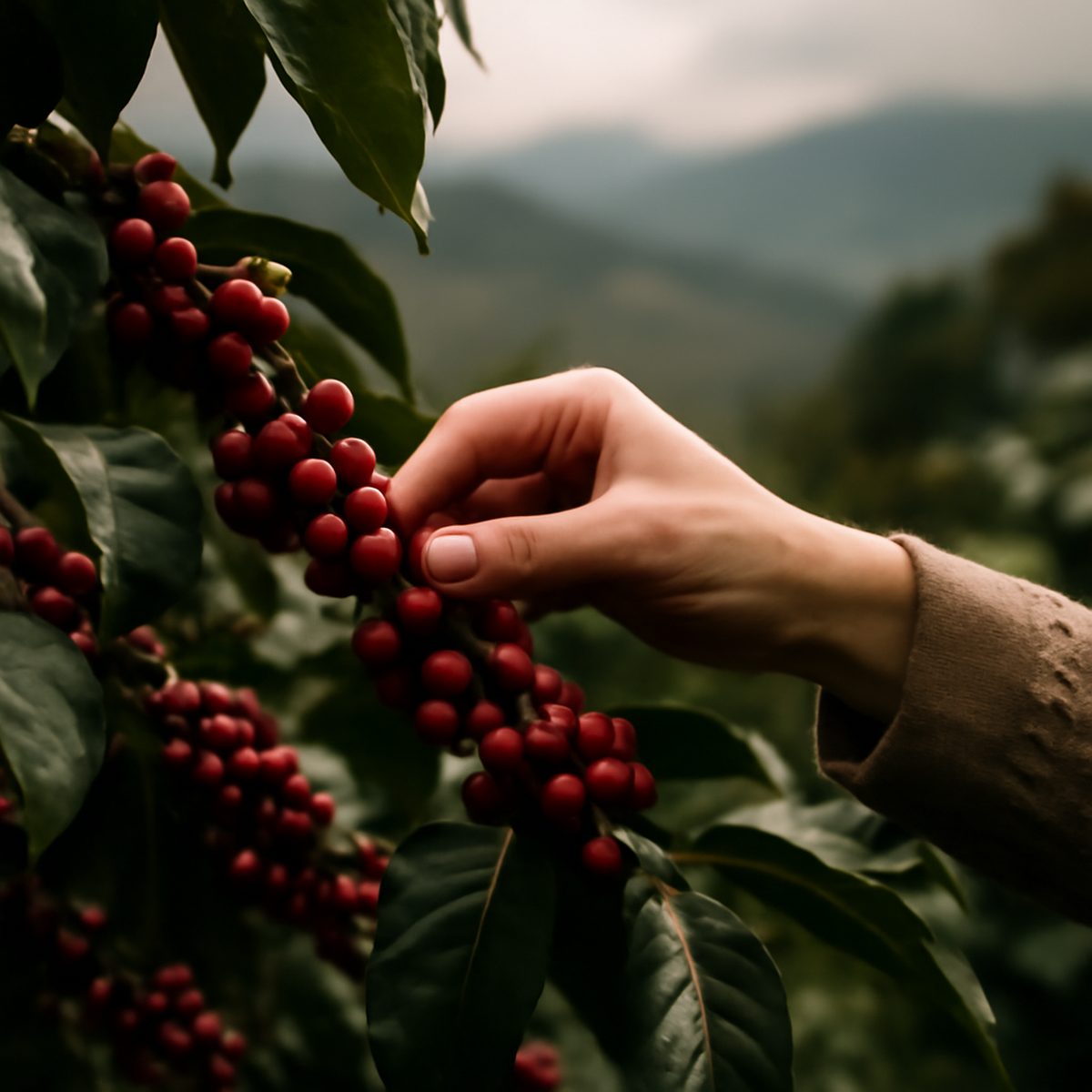
Somewhere between wine tourism and the pilgrimage trail sits a quieter but no less devoted movement: travelling specifically for coffee. Not the flat white at the airport, but the crop itself — the highland farms where it is grown, the wet mills where it is processed, and the small-batch roasters turning raw green beans into something worth building an itinerary around. It is, in its way, no different from a wine lover crossing France for a single valley. The difference is that coffee grows in some of the most dramatic landscapes on earth, which makes the travelling half the reward.
The appeal is partly about flavour and partly about provenance — a growing appetite among travellers for understanding exactly where the things they consume come from, rather than accepting a bag on a shelf at face value. Coffee happens to reward this curiosity better than almost any other crop, since altitude, soil and processing method all leave a distinct mark on the cup, one that becomes far easier to taste once you have stood in the field it grew in.
The classic origin trip
Ethiopia remains the obvious starting point for anyone serious about origin — coffee’s birthplace, where it still grows wild in highland forest alongside cultivated plots. A trip here tends to combine visits to smallholder farms with the ceremonial side of coffee culture, which treats the drink as a social ritual rather than a commute fuel. Central and South America offer a gentler introduction: volcanic-soil estates at altitude, guesthouses built into the hillsides, and harvest seasons that turn entire valleys into a hive of activity. For those wanting a deeper grounding in the subject before travelling, our primer on coffee origins and terroir is worth reading first.
Closer to home: Southeast Asia’s own estates
It is easy to forget that some of the region’s most interesting coffee is grown within a few hours’ flight of Singapore. Indonesia’s volcanic islands produce some of the most distinctive beans anywhere, aged and processed using methods found nowhere else, while Vietnam’s highlands turn out volumes that quietly dominate the world’s robusta trade. A short list worth building a trip around:
- Volcanic highland estates in Indonesia, where soil and altitude produce genuinely singular flavour profiles
- Vietnam’s central highlands, for a look at scale and tradition sitting side by side
- A slower detour through a regional coffee town, timed to a harvest season rather than a tourist calendar
What a good farm visit actually involves
The best visits are unhurried — a walk through the plantation with someone who has worked the land for decades, a cupping session where you taste the same bean processed three different ways, and a meal built around whatever else the farm grows. Skip anything that feels like a coach tour with a gift shop at the end; the good farms are usually small enough that a proper visit needs to be arranged, not simply turned up to. A written introduction from a trusted roaster or importer tends to open more doors than an unannounced visit ever will.
“You never taste coffee the same way again once you’ve stood in the field it came from,” a roaster based in Singapore told us. “It stops being a commodity and starts being a place.”
What to pack, and how to travel
Origin trips tend to involve rough roads, humid mornings and the occasional early start well before sunrise, so pack accordingly — sturdy shoes for walking uneven farm terrain, layers for altitude changes that can be sharper than expected, and a dedicated bag for green beans bought along the way, since airline security in some countries can be sceptical of unlabelled agricultural produce. A local guide or fixer with genuine relationships to individual farms is worth the cost; without one, many of the more interesting smallholdings simply will not open their gates.
The people behind the crop
What tends to stay with travellers longest is not the tasting notes but the farmers themselves — families who have worked the same slopes for generations, adapting to shifting climates and volatile commodity prices with a resilience that rarely makes it onto a coffee bag’s packaging. A good origin trip treats this as central rather than incidental: fair engagement with the people who grow the crop, proper payment for their time, and a willingness to listen rather than simply photograph. It reframes the whole subject, turning a cup of coffee back into a hillside, a harvest, and a family who bet their livelihood on this particular slope of land.
Bringing the trip home
Part of the pleasure of an origin trip is what comes back with you — green beans bought directly from a farm, a hand-cranked roaster picked up along the way, or simply a better sense of what to look for on a bag back home. For anyone wanting to keep the ritual alive after the flight lands, how to choose and store coffee at home covers the basics, and following the coffee roasters worth following is a good way to keep discovering new origins without leaving the country.
When to plan the trip
Harvest season is the obvious window — usually the dry months in a given region, though this varies enormously by country and altitude. Travelling outside harvest still has its rewards, chiefly quieter farms and more time from the people who run them, but timing a trip to coincide with picking is worth the extra planning if the schedule allows. Either way, build in slack: the best farm visits rarely run to a fixed itinerary, and the ones that do are usually not the ones worth the flight.
A note on sustainability
Coffee farming faces genuine pressure from shifting rainfall patterns and rising temperatures, and travellers who visit origin regions often come away with a sharper understanding of what is at stake — not as an abstract supply-chain concern, but as a lived reality for the families whose livelihoods depend on a single harvest each year. Choosing operators who pay fair prices and reinvest in the land is a small but meaningful way to make an origin trip count for something beyond the traveller’s own itinerary.
Why it is worth the detour
A coffee trip rewards the same instincts as any considered travel: curiosity, patience, and a willingness to let a single subject lead you somewhere unexpected. It rarely stays purely about coffee — the best origin trips end up being about landscape, craft and the people who have spent their lives perfecting one crop. For more on building a trip around a single passion rather than a checklist of sights, our wider Travel & Stays section has plenty of further reading.
Marcus writes on travel and hospitality across Asia, and is happiest a long way from a lobby.