
How to Choose and Store Coffee at Home
Good coffee begins long before the grinder ever touches a bean. Here is how to choose, store, and treat your beans so every cup at home tastes right.
 By Renée Tan
29 August 2026 · 6 min read
By Renée Tan
29 August 2026 · 6 min read
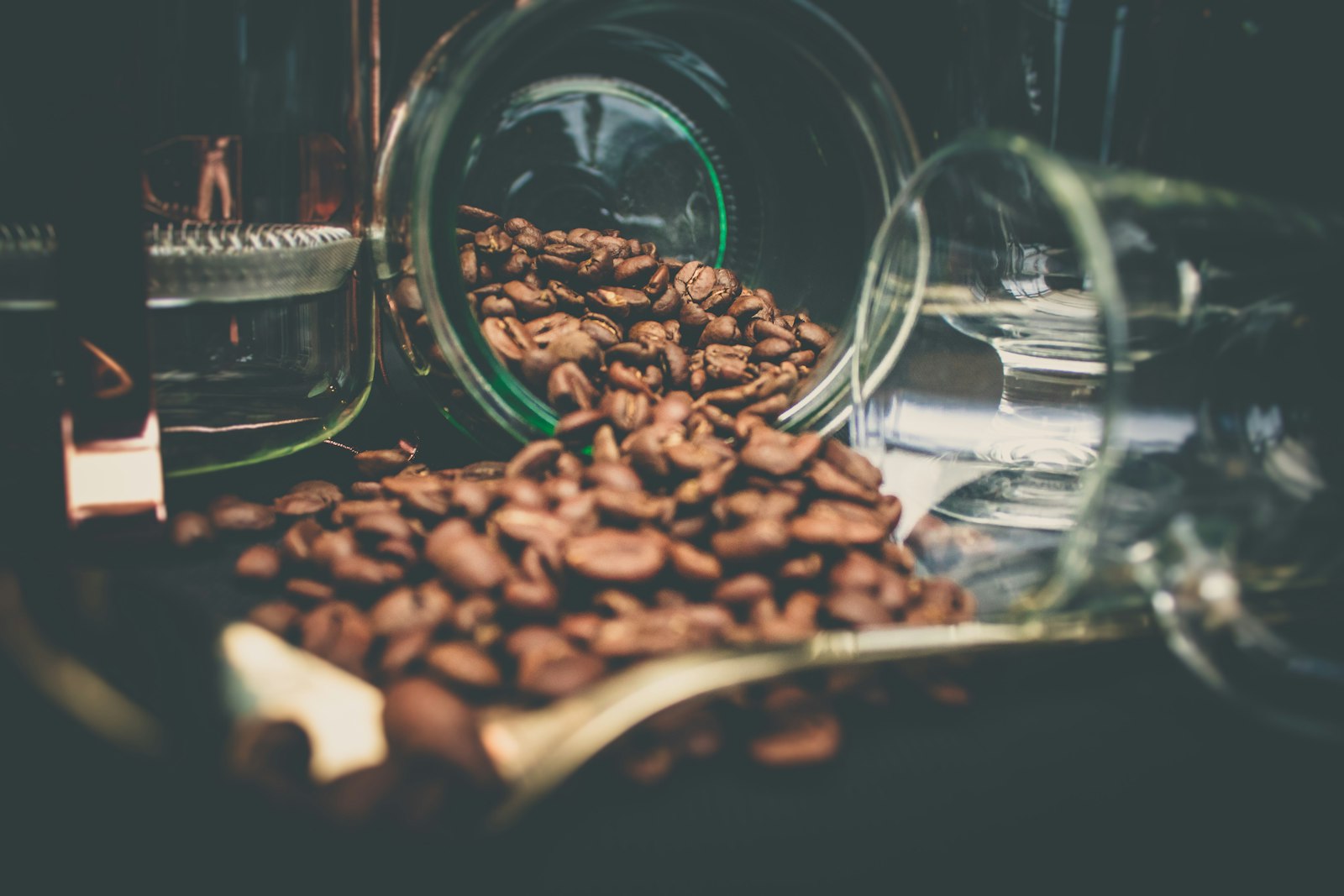
Most of the damage done to good coffee happens after it leaves the roaster, not before. A beautifully sourced, carefully roasted bag can be ruined within a fortnight by poor storage, an overzealous grind size, or simple impatience — brewing beans that have not been given the chance to rest. Getting coffee right at home is less about expensive equipment than about a handful of habits, most of which cost nothing and take barely a moment longer than doing it carelessly.
Buy in Small, Deliberate Amounts
Coffee begins losing its aromatic compounds the moment it is roasted, accelerating sharply once the bag is opened. Buying a large bag to save a trip to the roaster almost always means drinking stale coffee for the second half of it. A better habit is buying only what you will use within two to three weeks, in whatever quantity that works out to for your household. Roasters who date their bags clearly, rather than printing a vague best-before months out, are generally the ones worth trusting with your money in the first place.
Storage Is Simpler Than It Sounds
The enemies of good coffee are light, air, heat, and moisture, in roughly that order of damage done. An opaque, airtight container kept in a cool, dark cupboard beats almost any specialist gadget on the market — the popular one-way-valve canisters help marginally, but a simple sealed jar away from the stove and the window will do most of the same work. Resist the instinct to refrigerate or freeze beans for everyday use; the temperature swings from repeated opening introduce condensation that does more harm than the marginal freshness gain is worth, and beans absorb odours from a crowded fridge shockingly fast.
A Simple Storage Checklist
- An opaque, airtight container, never a clear glass jar left on the counter in daylight
- A cool, dark cupboard, away from the oven, stovetop, or any direct window light
- Only as much coffee purchased as you will realistically use within two to three weeks
Resting Matters More Than Most People Realise
Beans straight from the roaster are still releasing carbon dioxide, a process that can make espresso shots taste sharp and unbalanced, or filter coffee taste thin, for the first several days after roasting. Most specialty roasters now recommend resting beans for anywhere from four days to two weeks depending on the roast profile, a detail worth asking about directly. Brewing coffee the same day it was roasted, however tempting that freshness feels, is often the very reason a cup tastes off in ways that seem to defy the quality of the beans themselves.
Grinding Just Before Brewing
Ground coffee loses its aromatic compounds within minutes of grinding, far faster than whole beans lose theirs over weeks. A whole bean stored properly will taste dramatically better than the same coffee pre-ground and left sitting, even for a single day. If a manual grinder feels like an unnecessary purchase, it is worth reconsidering — the improvement from grinding immediately before brewing is often more noticeable than any upgrade to the beans themselves, and a decent hand grinder now costs relatively little for the difference it makes every single morning.
Matching Grind Size to Method
A grind too coarse for your brewing method under-extracts, producing a thin, sour cup; too fine, and it over-extracts into something bitter and harsh. Pour-over methods generally want a medium grind resembling coarse sand, French press wants something noticeably coarser to avoid sediment in the cup, and espresso wants a fine, almost powdery consistency to build the right resistance against water pressure. Dialling in grind size takes a few attempts with any new bean, since density and roast level both affect how a particular batch behaves, but it is worth the small trial and error rather than defaulting to whatever setting worked for the last bag.
Coffee culture in Singapore has matured considerably in recent years, and the coffee roasters worth following is a useful place to start if you are looking to build a more considered rotation of beans at home. The wider shift in how the city drinks coffee is covered in the new rules of the Singapore coffee bar, while a well-stocked pantry more broadly is the subject of how to stock a proper home pantry.
Water Deserves More Attention Than It Gets
Coffee is roughly ninety-eight percent water, a statistic worth sitting with the next time a beautifully roasted bag produces a disappointing cup. Tap water heavy with chlorine or unusual mineral content can flatten or distort a coffee’s flavour just as thoroughly as poor storage can, and it is one of the most overlooked variables in a home brewing setup. You do not need bottled water for every cup, but a basic filter jug, kept fresh with regularly replaced cartridges, removes enough of the variability to let a good bean actually taste like itself. Anyone who has tasted the same coffee brewed with filtered versus straight tap water side by side rarely goes back to the tap.
Reading a Bag Properly Before You Buy
A good coffee bag should tell you more than a flavour blurb written to sound appealing. Look for a roast date rather than a best-before date, which is far more useful for judging freshness; a specific origin and, ideally, a named farm or cooperative rather than a vague regional blend; and a processing method — washed, natural, or honey — since this affects flavour as much as origin does. Roasters who share this information openly tend to be more careful throughout the rest of their process too, since transparency at the label stage usually reflects a broader confidence in what happens further up the supply chain.
The Habit That Matters Most
None of this requires specialist knowledge or serious spending — buying smaller, more frequent amounts, storing properly away from light and heat, resting new bags briefly, and grinding only what you are about to brew will improve almost any cup more than a more expensive machine ever could. Good coffee at home is less a purchase than a set of habits, and once they become automatic, the difference is immediate and genuinely difficult to go back from. The rest of Singapore’s considered dining culture, including its evolving coffee scene, lives in the Dining & Drinks section.
Renée has covered Singapore's restaurants for over a decade, with a soft spot for the kitchens most people walk past.


