
The Best Cultural Festivals Worth Travelling For
The festivals worth crossing a border for are rarely the ones on the postcard. Here is how to travel for culture without turning it into spectacle.
 By Marcus Lim
30 August 2026 · 6 min read
By Marcus Lim
30 August 2026 · 6 min read
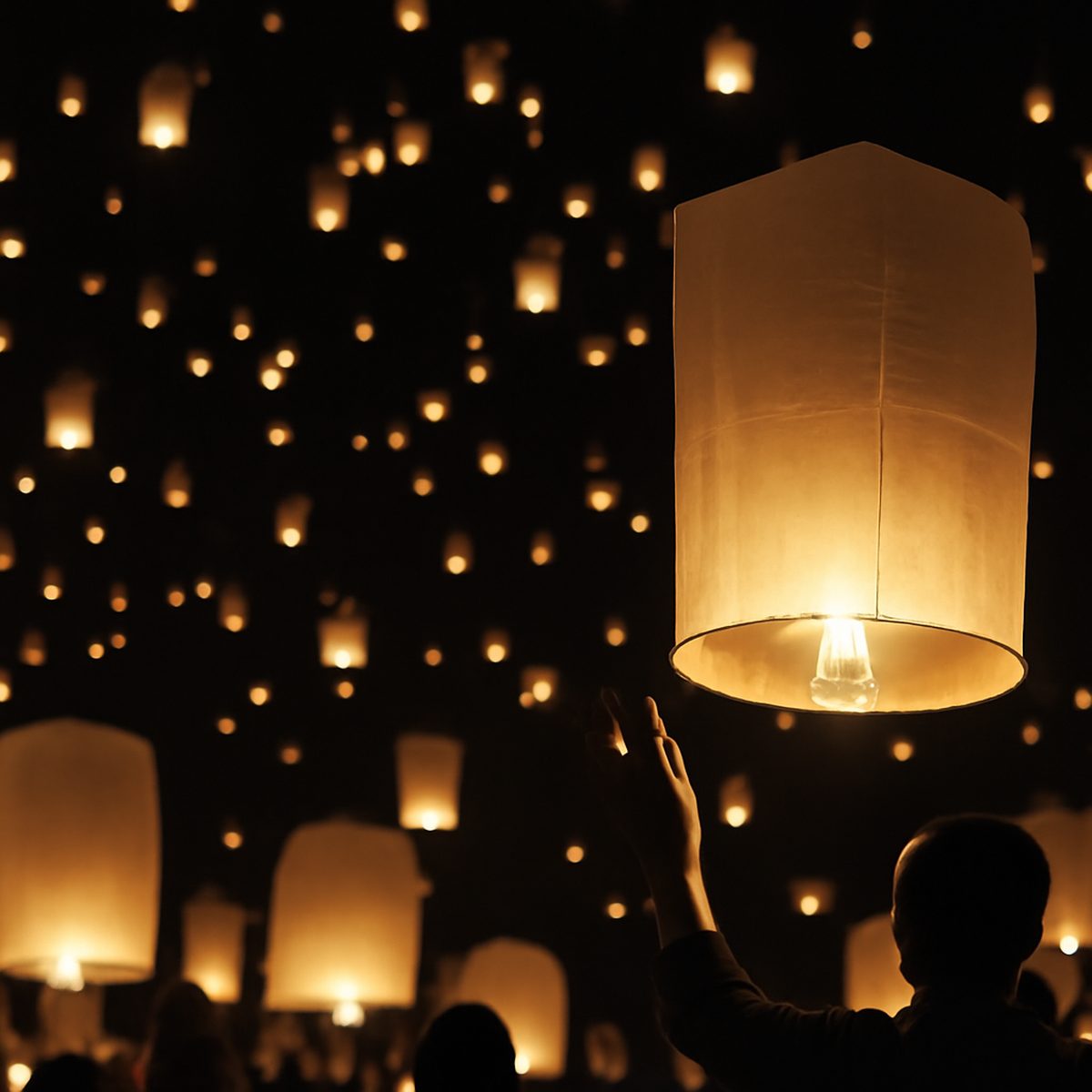
There is a particular kind of traveller who plans a year around a handful of dates that have nothing to do with flight prices or shoulder seasons. A lunar calendar pinned to the fridge, a lantern festival circled in red, a harvest rite in a highland village that only happens once the rice is cut. These are the trips that reward patience over spontaneity, and they tend to leave a longer shadow in memory than the destinations chosen for their infinity pools. Asia’s cultural calendar is dense and, in places, gloriously indifferent to visitors — which is precisely why it rewards those who show up prepared, humble, and willing to stand at the back.
The instinct with any festival is to treat it as a photograph waiting to happen. Resist it, at least for the first hour. The better trips are built around watching before participating, understanding the shape of a ritual before deciding where you, as an outsider, are welcome to stand. This is not false modesty; it is simply good manners, and it tends to produce better photographs anyway. The same patient, observant approach can shape an entire journey, as our piece on the art of the cultural immersion trip explains.
Lantern and light festivals
Few sights compress an entire belief system into a single evening quite like a lantern release. Whether it is a paper lantern sent skyward with a wish folded inside, or a river set alight with thousands of small floating candles, the appeal is partly visual and partly participatory — you are handed a lantern, told what to write on it, and released into the crowd to do as everyone else is doing. The best versions of these events happen away from the town squares that appear in every guidebook, in smaller districts where the ritual still belongs to the residents rather than the tour buses. For travellers building an itinerary around light and lanterns more broadly, our guide to Japan’s winter illuminations pairs well as a colder-weather counterpart.
Harvest and agricultural rites
Less photogenic, more moving: the festivals tied to the agricultural calendar, where a community marks the end of a planting cycle with days of feasting, music and, often, elaborate costume. These tend to cluster in rural districts — highland Vietnam, upland Taiwan, the terraced valleys of the Philippines — and reward travellers who are willing to base themselves somewhere quiet for several days rather than parachuting in for an afternoon. A good local guide is worth more here than anywhere else on this list; the choreography of a harvest rite is rarely explained on a signboard, and a five-minute conversation with the right person can reframe an entire afternoon. Some of the most memorable of these gatherings happen after dark, and the lantern and festival trail considers how to plan a trip around them.
Tea, incense and quieter rituals
Not every worthwhile festival is loud. Some of the most memorable are conducted almost in silence — a tea ceremony performed as an offering, an incense-lighting ritual at dawn, a procession that moves through a town so quietly you could miss it from a café table. These smaller rites reward a slower kind of travel, the sort where you build in an extra day precisely so you are not rushing to the next thing. Readers drawn to this register of travel might enjoy our companion pieces on tea ceremonies and culture and onsen etiquette, both of which share the same underlying logic: observe first, participate once invited.
Practical notes for attending well
- Book accommodation as far in advance as the festival date allows — locals travel home for these events too, and rooms disappear months out.
- Dress modestly and ask before photographing anyone directly involved in a ritual, particularly elders.
- Budget for cash. Many festival towns still run on it, especially at food stalls and temporary markets.
- Build a buffer day either side. Festivals rarely run to a published schedule.
“You don’t really understand a festival until you’ve stood in the crowd for an hour with nothing to do but watch,” a Kyoto-based guide told us. “That’s when it stops being a photograph and starts being a place.”
Building the trip around the date, not the other way round
The mistake most travellers make is treating a festival as one stop on a longer itinerary, wedged between a beach and a city break. The better approach, if the calendar allows, is to build the whole trip around the date and let everything else fall into place around it — including, often, a slower pace than usual. This is also where Japan rewards the planner: its festival calendar is unusually well documented, and a trip timed against it can be woven together with wider seasonal travel. Our guide to planning a culinary tour of Japan makes the same case from a different angle — that the country rewards those who plan around its rhythms rather than around a fixed list of cities.
Where to start
For a first festival trip, choose somewhere with an established, well-documented event rather than something obscure enough that even locals are vague on the schedule. Taiwan’s temple processions, Japan’s seasonal matsuri and Sri Lanka’s Buddhist festivals of light all offer a gentler entry point — accessible, well signposted, and forgiving of a traveller still learning the etiquette. From there, the calendar tends to open up on its own; one good festival experience is usually enough to send a traveller back to the fridge, pinning next year’s dates in red.
What the calendar teaches you about a place
There is also a slower, less obvious reward to this kind of travel. A festival calendar reveals what a society considers worth pausing for — a harvest, an ancestor, a change of season, a debt of gratitude to something larger than the everyday. Spend a few years travelling this way and a pattern emerges: the destinations that feel most alive are usually the ones with the busiest ritual calendars, not the fullest hotel listings. That is worth remembering the next time a trip is being planned around a sale fare rather than a date that actually means something to the place being visited. It is a small discipline, choosing the date first and the destination second, but it tends to produce the trips people talk about years later — not because of where they went, but because of what they were lucky enough to witness while they were there.
What unites all of this is a simple shift in posture: travelling to witness something that was never designed with a visitor in mind, and being grateful for the privilege rather than entitled to it. Do that consistently, and the calendar of festivals worth crossing a border for only grows longer with every trip. For more on where and when to go, our full Travel & Stays section tracks the season’s best openings and returning events as they’re confirmed.
Marcus writes on travel and hospitality across Asia, and is happiest a long way from a lobby.


