
The Art of the Cultural Immersion Trip
Cultural immersion travel promises more than it usually delivers. Here is how to plan a trip that genuinely engages, rather than performs, a place.
 By Marcus Lim
30 August 2026 · 6 min read
By Marcus Lim
30 August 2026 · 6 min read
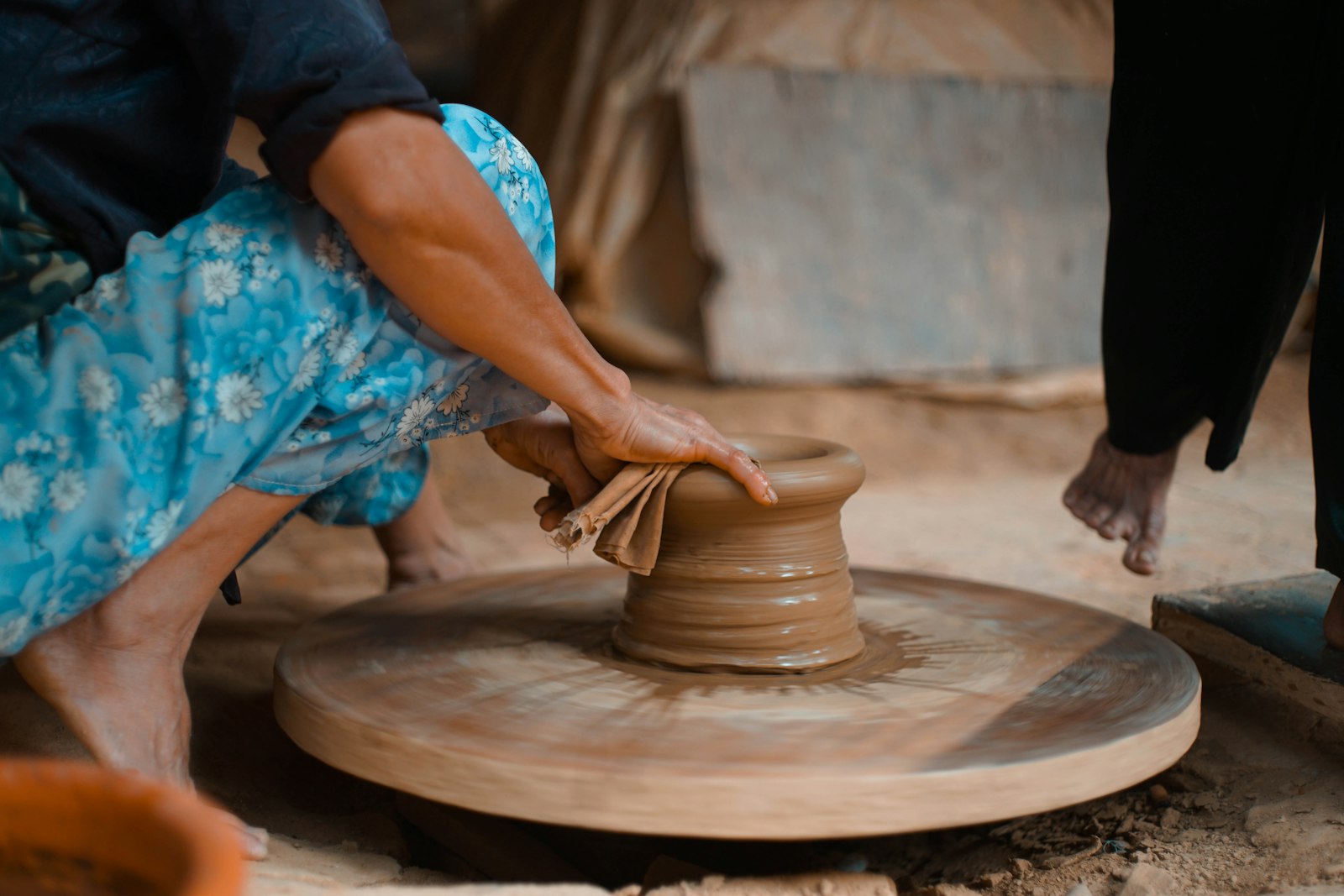
Cultural immersion has become one of travel’s more overused phrases, applied liberally to everything from a single cooking class squeezed into an otherwise conventional itinerary to genuinely transformative extended stays with local families. The gap between the label and the actual experience it describes has grown wide enough that discerning travellers now need to look considerably closer at what a trip actually offers before booking anything marketed under this banner. Real cultural immersion asks more of a traveller than passive observation; it requires participation, humility, and enough time in one place to move past surface impressions into something closer to genuine understanding.
What separates genuine immersion from performance
The clearest marker of a genuine immersion experience is reciprocity, some meaningful exchange between traveller and host rather than a one-directional performance staged specifically for visiting tourists. A cooking class taught by a family in their own home, using their own everyday techniques and recipes, offers something considerably more genuine than a staged demonstration at a tourist-facing venue designed to look traditional while operating more like theatre. The distinction is not always obvious from marketing material alone, which makes research and, where possible, direct communication with an operator before booking, genuinely worthwhile.
Time is the other crucial variable. A single afternoon workshop, however well-intentioned, rarely produces anything beyond a pleasant but shallow encounter. Trips built around staying in one place for several days or longer, ideally with repeated interactions with the same people rather than a rotating cast of tourist-facing staff, tend to produce a far deeper and more honest sense of a place. This slower pace runs counter to the instinct many travellers have to see and do as much as possible on a limited holiday, but it is almost always the more rewarding trade-off for anyone genuinely seeking cultural depth over checklist coverage.
Signs of a genuinely well-designed immersion trip
- Small group sizes, or ideally solo or family-based experiences, rather than large tour groups
- Direct compensation flowing to the individuals and families hosting the experience, not solely to an intermediary operator
- An itinerary built around a single region or community rather than a rushed multi-stop circuit
The ethics of engaging respectfully
Genuine cultural engagement carries responsibilities that a more conventional sightseeing trip does not. Travellers entering someone’s home, workshop, or community space should approach with the same courtesy they would extend to any personal invitation, asking before photographing, following the host’s lead on customs and etiquette, and resisting the urge to treat the experience primarily as content for social media rather than a genuine exchange. Operators who brief travellers thoughtfully on local customs and expectations before a stay, rather than leaving guests to navigate unfamiliar social terrain unprepared, tend to be running considerably more thoughtful and sustainable programmes overall.
“The best immersion trips make you a guest, not an audience,” one Southeast Asia-based travel planner told us of the distinction that matters most.
Where this connects to Asia’s broader heritage travel scene
Cultural immersion trips often overlap considerably with Asia’s heritage hotel scene, where historic properties frequently double as genuine cultural touchpoints rather than mere accommodation, and with the region’s calendar of cultural festivals worth travelling for, which offer a more structured, time-bound form of immersive engagement for travellers unable to commit to an extended stay. Food-focused travellers might also consider our guide to planning a culinary tour of Japan, which applies many of the same principles of depth over breadth to a specifically gastronomic itinerary.
Our broader Travel & Stays section carries further coverage of how the region’s travel industry continues to grapple with the tension between accessible tourism and genuinely respectful cultural engagement, a balance that remains an ongoing conversation rather than a solved problem across the industry.
Planning practically
Travellers serious about building a genuine immersion trip should start by narrowing their destination considerably, resisting the temptation toward a multi-country itinerary in favour of a single region explored properly. Working with smaller, specialised operators who maintain long-term relationships with specific communities, rather than large agencies offering immersion as one module within a broader package tour, tends to produce far more authentic outcomes. It is also worth building in unstructured time, since some of the most meaningful moments in genuine cultural exchange happen outside a scheduled activity entirely, in the unplanned conversations and shared meals that a rigid itinerary leaves no room for.
Language, or at least a genuine effort at it, matters more than many travellers assume. Learning a handful of phrases in the local language before arrival, beyond the basic pleasantries most guidebooks cover, signals a level of respect and effort that hosts consistently notice and respond to warmly. This does not require fluency, or even conversational competence, but the visible attempt itself tends to shift the dynamic of an interaction meaningfully, opening doors that a purely transactional, English-only approach to travel rarely manages.
Budgeting for a genuine immersion trip also looks different from a conventional holiday. Costs are often less predictable and more variable, particularly when working with small, community-based operators rather than large standardised tour companies with fixed package pricing. Building in some financial flexibility, and being prepared to pay fairly for genuine access and expertise rather than seeking the lowest possible price, is both practically sensible and ethically appropriate given how directly these payments tend to support the individuals and families hosting the experience.
What to do once you’re there
Once on the ground, the most valuable skill a traveller can bring to a genuine immersion experience is simple attentiveness, a willingness to watch, listen, and follow a host’s lead rather than arriving with a fixed set of expectations about what the experience should look like. Some of the richest moments in these trips happen in small, unremarkable gestures: sharing a meal prepared without any performance intended for an audience, helping with a household task rather than merely observing it, or sitting through a long, unhurried conversation that never quite resolves into a neat narrative. These moments rarely photograph well, which is itself a useful reminder that the value of genuine immersion often lies precisely in what resists easy documentation.
Final word
A genuine cultural immersion trip asks a traveller to slow down, engage with real reciprocity, and accept that meaningful understanding of a place cannot be compressed into a single afternoon activity. Approached with patience and humility, it remains one of the most rewarding forms of travel available, offering something far deeper than the label has come to suggest through years of marketing overuse, and a form of travel worth protecting from its own dilution.
Marcus writes on travel and hospitality across Asia, and is happiest a long way from a lobby.


