The Best Boutique Hotels in Kyoto
Kyoto's boutique hotel scene has matured considerably. Here is how to choose between machiya conversions, design-forward newcomers, and quiet ryokan.
 By Marcus Lim
30 August 2026 · 6 min read
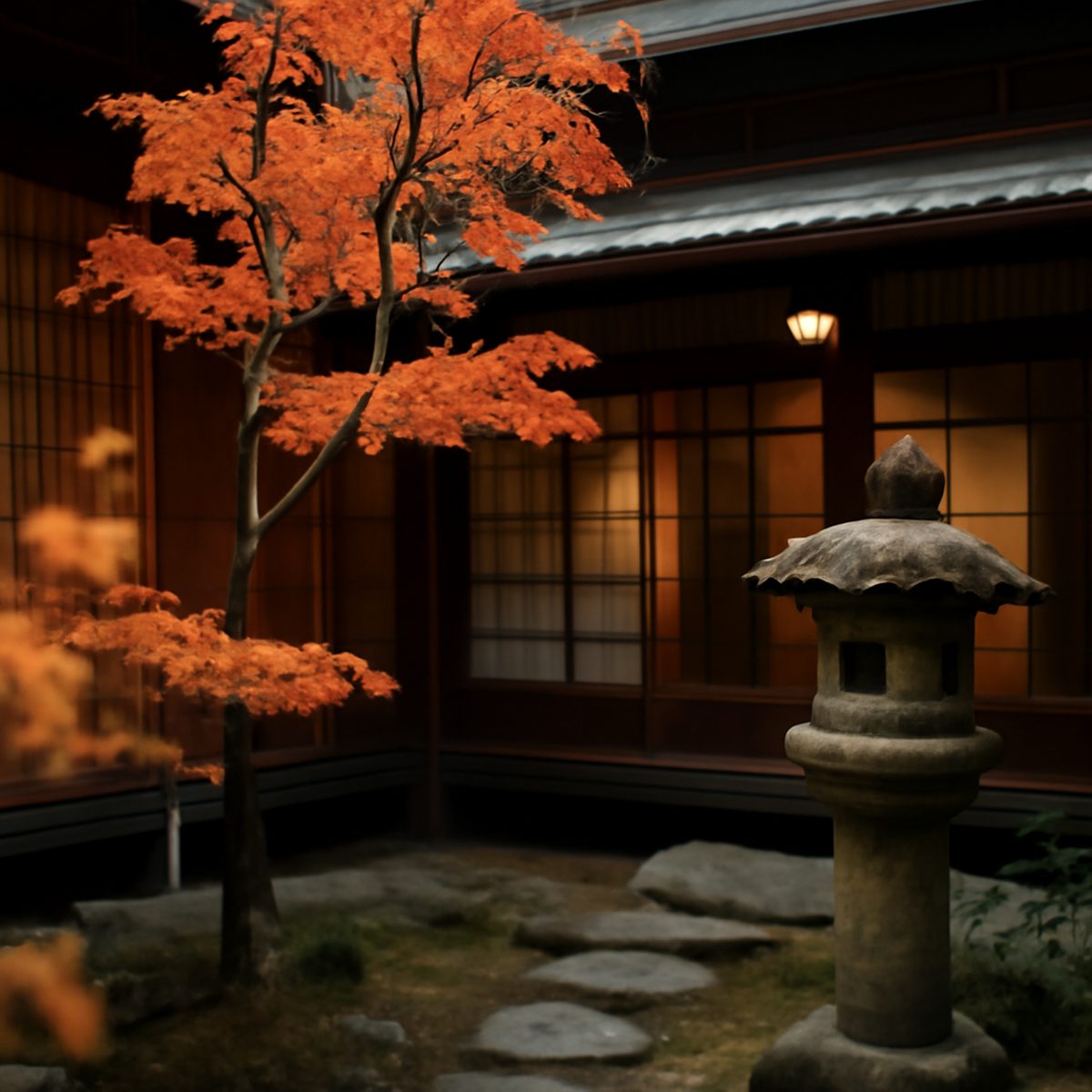
Kyoto’s hotel landscape has changed considerably over the past decade, moving well beyond the traditional binary of large international chain hotels versus historic ryokan into a genuinely rich middle ground of boutique properties. Many of the most interesting newcomers occupy converted machiya, the city’s traditional wooden townhouses, restored with real sensitivity to the original architecture while incorporating modern comfort and considered design. Choosing well among this expanding field means understanding what each style of property actually offers, since the differences between a machiya conversion, a design-forward new build, and a small contemporary ryokan matter considerably more than star ratings alone would suggest.
Machiya conversions and their particular charm
A restored machiya offers something no purpose-built hotel can fully replicate: genuine architectural history, with original wooden beams, tatami rooms, and small interior courtyards designed centuries ago around principles of light, privacy, and seasonal awareness. The best conversions retain these original elements while quietly upgrading plumbing, insulation, and climate control to contemporary standards, a balancing act that requires considerable restraint from designers tempted to over-modernise a historic structure. Staying in one of these properties, often just a handful of rooms across a single converted building, offers an intimacy that larger hotels cannot match, along with direct access to Kyoto’s quieter residential neighbourhoods rather than its more tourist-dense central districts.
The trade-off with machiya stays tends to be space and amenities; these buildings were designed as private homes, not hotels, and rooms can run smaller than international travellers accustomed to larger footprints might expect. Travellers who value atmosphere and authenticity over square footage tend to find this trade-off entirely worthwhile, while those prioritising space or extensive hotel facilities may prefer a larger, purpose-built property instead.
The new wave of design-forward hotels
Alongside machiya conversions, Kyoto has seen a wave of newly built boutique hotels explicitly designed around contemporary Japanese design sensibility, often working with well-regarded architects to create spaces that reference traditional forms and materials without directly imitating historic structures. These properties tend to offer larger rooms and more extensive amenities than a machiya conversion while still maintaining a considered, design-forward identity distinct from international chain hotels. They suit travellers who want Kyoto’s aesthetic sensibility expressed through contemporary architecture rather than historic preservation specifically.
What to consider when choosing a base
- Proximity to key districts such as Gion or Higashiyama versus quieter residential neighbourhoods further out
- Whether in-room bathing facilities matter, since some machiya properties offer shared rather than private bathing
- How much time will be spent in the room itself versus out exploring, which affects how much space genuinely matters
Ryokan as a third option
Small contemporary ryokan occupy a related but distinct category from boutique hotels proper, typically offering a more structured, traditionally hospitality-focused experience with included kaiseki dinners and attentive, personalised service. These properties suit travellers wanting a fuller traditional Japanese hospitality experience, including the ritual of an evening and morning meal served in-room or in a dedicated dining space, rather than the more independent, self-directed stay a boutique hotel typically offers. Several of Kyoto’s better contemporary ryokan have successfully modernised this traditional format without losing its essential character, a balance worth seeking out specifically when comparing options.
“Kyoto’s best boutique hotels don’t try to out-modern the city,” one Kyoto-based hotelier told us. “They try to disappear into it instead.”
Booking timing and seasonal demand
Kyoto’s smaller boutique properties, particularly the more sought-after machiya conversions with only a handful of rooms, sell out considerably further in advance than the city’s larger hotels, especially around the cherry blossom season in spring and the autumn colour season later in the year. Travellers with fixed dates around these peak periods should expect to book six months or more ahead for the most in-demand properties, and should treat availability at shorter notice as a genuine constraint on which category of hotel remains realistically open to them. Shoulder seasons, particularly early summer and early winter, tend to offer considerably more flexibility and often better rates across all categories of boutique property.
Location within Kyoto also affects pricing and atmosphere more than in many other cities, given how distinctly different the city’s neighbourhoods feel from one another. A property near Gion places guests close to the geisha district’s evening atmosphere and a concentration of excellent dining, while a machiya further into a residential neighbourhood offers a quieter, more genuinely local experience at the cost of a longer walk or taxi ride into the main tourist areas. Neither choice is objectively better, but understanding this trade-off before booking helps match a property to the kind of stay a traveller actually wants rather than choosing based on proximity to famous sights alone.
How Kyoto compares within the wider region
Kyoto’s boutique hotel maturity now rivals or exceeds several other major Japanese cities in this category, offering a useful point of comparison for travellers building a wider Japan itinerary alongside our guides to Japan beyond Tokyo and Kyoto and design-minded exploration through a design lover’s guide to Kyoto specifically. Travellers extending their Kansai trip should also consider forty-eight hours in Nara, easily reached from Kyoto and offering a markedly different, older architectural character worth experiencing as a contrast. Our wider Travel & Stays section carries further coverage of the region’s evolving hotel landscape.
Service culture across property types
Service style varies more between these categories than travellers often anticipate. Larger design-forward hotels tend to offer the kind of polished, consistently available service familiar from international luxury hotels, with round-the-clock front desk support and a broader range of concierge assistance. Smaller machiya properties, often run by a single family or a very small team, offer something warmer but less immediately available, service built on genuine personal relationship rather than institutional consistency, which some travellers find considerably more memorable and others find occasionally inconvenient depending on their needs during a stay. Neither approach is inherently superior, but understanding which style suits a particular trip is worth considering carefully before booking, particularly for travellers who value round-the-clock assistance over intimacy.
Final word
Kyoto’s boutique hotel scene now offers genuine range, from intimate machiya conversions steeped in architectural history to confidently contemporary design-forward newcomers and traditional ryokan updated for modern travellers. Choosing well means being honest about what kind of stay matters most, whether that is historic intimacy, space and amenity, or full-service traditional hospitality, rather than defaulting to whichever property currently has the most visibility online or the most photogenic feed.
Marcus writes on travel and hospitality across Asia, and is happiest a long way from a lobby.