The Best Coffee and Plantation Stays
A good plantation stay gives you more than a view of the crop. Here is what separates a working estate worth booking from one trading only on nostalgia.
 By Marcus Lim
30 August 2026 · 6 min read
By Marcus Lim
30 August 2026 · 6 min read
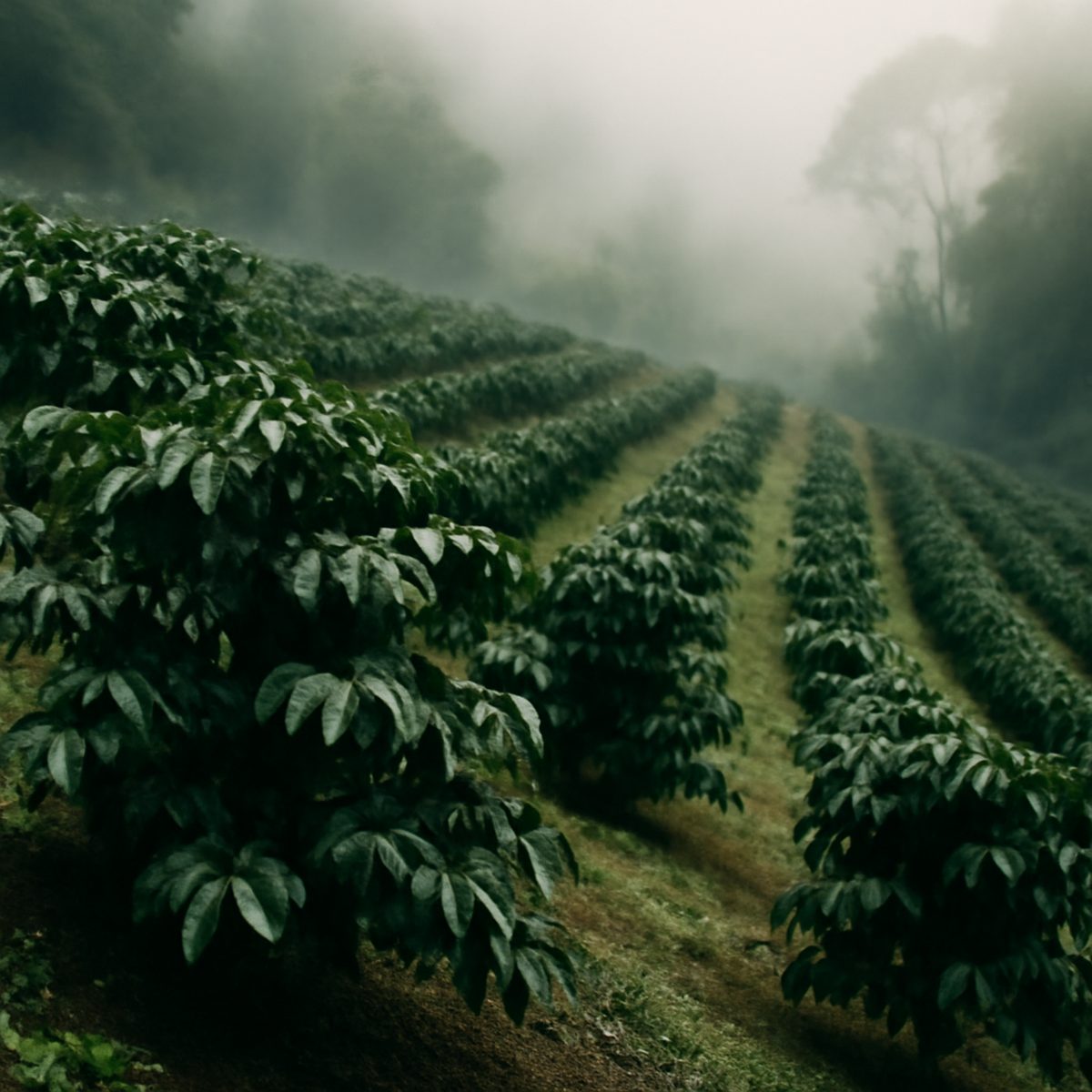
There is a particular quiet that settles over a working plantation in the early morning, before the pickers arrive and while the mist is still burning off the ridgeline. It is this hour, more than any amenity list, that explains the enduring appeal of the coffee and plantation stay — a category of accommodation that trades infinity pools and turndown chocolates for something harder to manufacture: proximity to a crop, a season, and the rhythm of a working farm.
Asia’s highland regions have quietly become some of the most interesting places to stay precisely because they were never designed as resorts. Many of the best properties began life as colonial-era estate houses or working farm bungalows, later converted with enough restraint to keep their working character intact. The result is a stay that feels earned rather than staged — a terrace with an actual view of the crop that pays for the roof over your head, not a landscaped approximation of one.
What separates a working estate from a themed one
The plantation stay market has, inevitably, produced its share of properties that borrow the aesthetic without the substance — exposed timber, hessian sacks as décor, a coffee bar that serves beans trucked in from elsewhere. The genuine article is usually easy to spot: a working estate will happily walk a guest through the processing yard, explain what stage the crop is at, and serve a cup made from beans picked within sight of the dining terrace. If a property cannot answer a direct question about its own harvest calendar, it is worth treating the rest of its story with some scepticism.
Highland estates and cooler climates
The best coffee-growing regions sit at altitude, which means a plantation stay often comes with a welcome side effect: genuinely cool evenings, mist-wrapped mornings, and a climate that rewards a jumper over a swimsuit. This is a different register of luxury to the beach resort — slower, quieter, built around long breakfasts and short hikes through the rows rather than a pool bar. Travellers drawn to this kind of altitude and pace should also look at our guide to cherry blossom in Taiwan, much of which unfolds across the same highland tea and coffee belt.
What to look for when booking
- A property that grows and processes its own crop on-site, not one that simply overlooks someone else’s estate.
- Guided walks through the processing yard, ideally led by someone who actually works the farm.
- A cupping session or tasting flight that explains terroir rather than simply serving a single house blend.
- Rooms positioned for the view over the rows, not the car park — a detail worth confirming before booking.
The wider coffee culture around the stay
A plantation stay rarely exists in isolation; the best trips pair it with time in a nearby town where the crop is roasted, brewed and served with real intent. Singapore’s own coffee culture, for what it’s worth, has become a useful education in this regard — for readers wanting to understand terroir before they travel, our primer on coffee origins and terroir is a good starting point, alongside our profile of the coffee roasters worth following, several of whom source directly from the estates covered here.
“Guests often arrive expecting a resort with a coffee theme,” one estate manager in the central highlands told us. “By the second morning, most of them are asking to walk the rows before breakfast instead of after it.”
Beyond coffee: tea and cacao estates
The same logic that makes a coffee estate worth visiting applies equally to Asia’s tea and cacao plantations, many of which now offer comparable stays built around harvest season rather than a fixed calendar date. A trip timed to coincide with a harvest — coffee cherries turning red, tea leaves at their most tender flush — tends to be considerably more rewarding than one booked for convenience alone, since much of the daily activity on a working estate depends entirely on what the crop is doing that week. It is worth asking directly, when booking, whether your stay will fall during an active harvest window or a quieter processing period; both have their appeal, but they are very different trips, and a good reservations team should be able to describe the difference in some detail rather than simply confirming a room is available.
Booking it well
Because many of the best plantation stays run only a handful of rooms, availability during harvest season can be tight, and it is worth booking several months ahead if a specific window matters. It is also worth asking about transport in advance — many of these estates sit some distance from the nearest airport, along roads that climb steadily through increasingly dramatic scenery, and a property that arranges a proper transfer is usually one that has thought carefully about the rest of the stay too.
Packing for a plantation stay also differs from the usual resort checklist. Evenings at altitude can turn cold quickly once the sun drops behind the ridge, and the walking paths through the rows are rarely paved, so sturdy shoes matter more than anything resembling resort wear. A change of clothes for the processing yard is also worth bringing; anyone who joins a picking or sorting session will come away with hands and clothing genuinely marked by the work, which most guests report as one of the more memorable parts of the stay rather than an inconvenience. Insect repellent and a light rain layer are worth packing too, since many of these estates sit in genuinely humid highland belts where an afternoon shower can arrive with little warning even in the dry season.
What makes this category of travel worth the extra planning is the sense, rare in hospitality now, of staying somewhere with an actual purpose beyond hosting guests — a farm that would exist whether or not anyone came to admire it. That authenticity is not something a resort can manufacture overnight, however good the marketing. For more stays built around a genuine sense of place, browse the wider Travel & Stays section.
Marcus writes on travel and hospitality across Asia, and is happiest a long way from a lobby.