The Best Contemporary Sichuan Tasting Menus
Good Sichuan cooking is not about maximum heat. It is about layering numbing, sour, sweet and savoury notes with a precision most kitchens rarely attempt.
 By Renée Tan
31 August 2026 · 6 min read
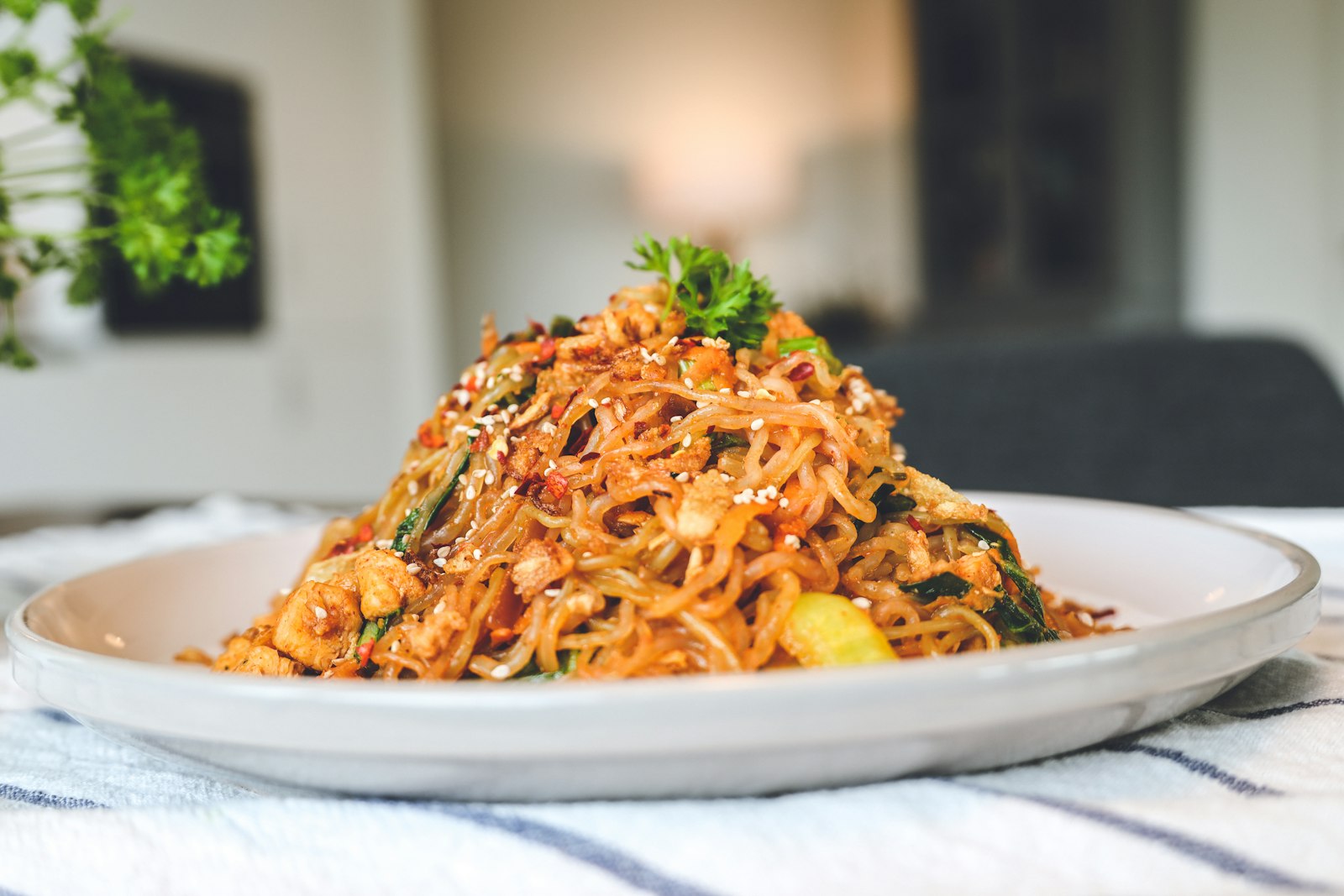
Sichuan cooking suffers, outside its home province, from a reputation built almost entirely around heat — the assumption that the cuisine’s defining trait is simply how much chilli a kitchen is willing to throw at a dish. This misses the far more interesting truth of what Sichuan cooking actually does with flavour, which is layer it: numbing mala heat from Sichuan peppercorn set against sour, sweet, savoury and aromatic notes in careful, deliberate proportion. A contemporary Sichuan tasting menu, done well, is an exercise in that layering taken seriously and presented with more precision than the cuisine’s stir-fry reputation generally suggests it deserves.
Understanding Mala Properly
Mala, the numbing-and-spicy sensation central to Sichuan cooking, comes from the combination of Sichuan peppercorn, which produces a tingling, almost electrical numbness on the tongue, and dried chilli, which supplies conventional heat. The two work together rather than simply stacking — peppercorn numbness actually allows a diner to tolerate more chilli heat than they otherwise could, since the tongue’s usual heat receptors are partially dulled by the numbing effect running alongside it. A kitchen that understands this relationship calibrates both elements together rather than treating chilli as the only variable worth adjusting, which is precisely the distinction that separates a genuinely skilled Sichuan kitchen from one simply chasing a reputation for extreme spice.
What Distinguishes a Contemporary Approach
- Restraint in presentation, plating dishes with the same care given to any modern tasting menu format, rather than serving family-style platters regardless of the format.
- A tasting arc that manages heat deliberately, building rather than firing at full intensity from the first course, so the palate isn’t overwhelmed before the meal has properly begun.
- Attention to the province’s non-spicy dishes as well — Sichuan cuisine includes plenty of dishes built around sourness, fermentation or simple savoury depth, and a kitchen that showcases this range signals real command of the cuisine rather than a narrow focus on heat alone.
- Sourcing genuine Sichuan peppercorn, ideally distinguishing between red and green varieties, which produce meaningfully different characters of numbness and citrus-like aroma.
Dishes Worth Watching For
Mapo tofu, perhaps Sichuan cuisine’s most internationally recognised dish, is a genuinely useful benchmark: a version built with real doubanjiang fermented broad bean paste and a proper mala balance tells you more about a kitchen’s seriousness than almost any more elaborate dish on the menu. Dan dan noodles, water-boiled fish in a fiery broth, and dry-fried green beans each offer their own test of a kitchen’s control over heat, texture and seasoning in turn. A chef working seriously in this tradition once explained the deceptive simplicity of the cuisine to a curious diner: “People think Sichuan food is about adding more chilli. It’s actually about knowing exactly when to stop.” That instinct for restraint, oddly, is the entire argument for taking a tasting menu format seriously in a cuisine so often reduced to a single note.
Sichuan Among Singapore’s Wider Chinese Dining Scene
Contemporary Sichuan tasting menus sit within a broader and increasingly ambitious Chinese fine dining landscape in Singapore, one that has grown more confident about presenting regional cuisines on their own distinctive terms rather than folding them into a generic “Chinese food” category. It shares some spiritual territory with the precision found in modern Japanese kitchens reworking tradition with a freer hand, even though the two cuisines could hardly taste more different — both represent a similar willingness to take a familiar, sometimes underestimated cuisine and present it with genuine formal seriousness.
Building Heat Tolerance Across a Meal
For diners newer to Sichuan cooking’s more intense end, a tasting menu format has a practical advantage over ordering à la carte: a well-sequenced menu manages heat exposure deliberately, easing a palate in rather than opening with the most aggressive dish on offer. Pacing water and rice between courses, rather than reaching for more chilli oil to compensate, generally serves a diner better across a full meal. Those keen to understand the wider pantry underpinning this kind of cooking will find useful grounding in our guide to chilli and sambal and our broader field guide to Southeast Asian spice, both of which offer useful comparative context even though Sichuan cuisine itself sits outside the Southeast Asian tradition proper. For the wider landscape of the city’s most considered dining rooms, our Dining & Drinks section continues to track where regional Chinese cuisines are being given the serious treatment they deserve.
A Cuisine Worth Taking Seriously
The best contemporary Sichuan tasting menus in Singapore reward diners willing to move past the assumption that the cuisine is defined solely by how much it burns. What actually separates a great Sichuan meal from a merely fiery one is the same thing that separates any great tasting menu from a lesser one: sequence, balance, and a kitchen confident enough to hold something back when restraint serves the dish better than intensity would. Approach it with that expectation, and the reputation the cuisine has earned outside its home province starts to look considerably more deserved than the heat-only version most diners have encountered. Those curious about the gentler, more aromatic cooking of a neighbouring province will find a useful contrast in our guide to contemporary Yunnan tasting menus. A different regional cuisine rewards the same attention to restraint, and contemporary Jiangnan tasting menus offer a gentler, sweeter counterpoint to Sichuan’s heat.
Pairing Drinks With Mala Heat
Wine pairing with genuinely spicy Sichuan food is a persistent challenge that even experienced sommeliers approach cautiously, since high alcohol and heavy tannin both tend to amplify chilli heat rather than tame it, turning an already intense dish into something closer to punishing. Lower-alcohol, off-dry whites with good acidity generally fare better than big reds, and a chilled, slightly fruity red served cooler than usual can work surprisingly well where a full-bodied, high-tannin bottle would clash outright. Beer, particularly a crisp lager, remains a reliable and unpretentious pairing precisely because its carbonation and cold temperature both offer genuine relief between bites. Tea, unsurprisingly given the cuisine’s own regional drinking traditions, is worth taking seriously as a pairing option too — a good kitchen serving a contemporary Sichuan tasting menu will often offer a considered tea pairing alongside or instead of wine, and it is frequently the more successful match of the two, cutting through the numbing heat rather than fighting against it. Diners planning a full tasting menu experience would do well to ask in advance what pairing options the kitchen offers, since the right drink accompaniment changes how manageable — and how enjoyable — an intensely seasoned menu turns out to be over multiple courses.
Renée has covered Singapore's restaurants for over a decade, with a soft spot for the kitchens most people walk past.