The Best Ban Mian and Hand-Pulled Noodles
Good ban mian is a study in restraint: a broth that tastes of nothing but anchovy and pork bone, and noodles torn, never cut, by patient hand.
 By Renée Tan
31 August 2026 · 6 min read
By Renée Tan
31 August 2026 · 6 min read
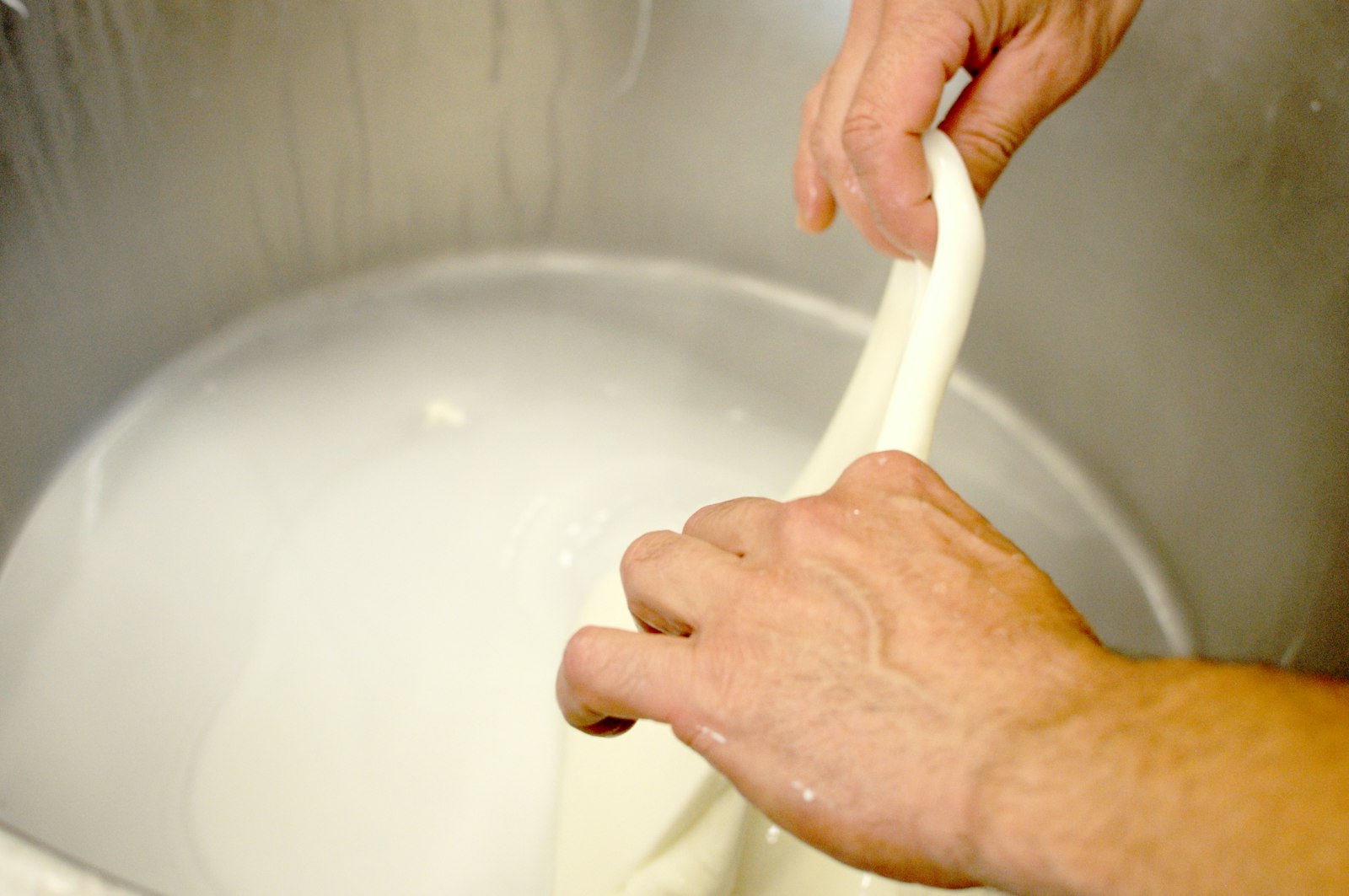
Ban mian is a dish that resists photographing well and rewards eating patiently. A cloudy broth, a tangle of hand-torn noodle strips of uneven thickness, a poached egg, sometimes minced pork, sometimes anchovies fried until they crackle. Nothing about it looks considered on the surface, which is precisely why it separates the ordinary stalls from the exceptional ones so clearly. There is nowhere to hide a weak broth behind a flourish of garnish, and there is no shortcut to noodles that have actually been pulled and torn by hand rather than cut by machine and boiled from a bag.
The Broth Is the Whole Argument
A proper ban mian broth is built slowly, usually from pork bones and dried anchovies simmered until the anchovy flavour has fully dissolved into the stock rather than sitting on top of it as a fishy afterthought. The best versions taste almost plain at first — faintly sweet, faintly savoury, no single note shouting over another — and only reveal their depth on the second or third spoonful. Weaker versions lean on MSG or a heavy hand with soy sauce to fake that depth, and the difference is obvious to anyone who has had both back to back. If a broth tastes aggressive in the first mouthful, it is usually compensating for something missing underneath.
Anchovies deserve particular attention. At the better stalls they are fried separately until deeply crisp, then scattered on top at the last moment, so they retain their crunch against the soft noodles rather than turning soggy in the broth. This is a small detail, easy to overlook, and yet it is one of the clearest signals of a kitchen paying real attention to texture rather than simply assembling a bowl.
Hand-Torn, Hand-Pulled: What the Terms Actually Mean
- Ban mian proper uses dough torn by hand directly into the pot, producing irregular, slightly thick strips with a distinctive chew.
- Mee hoon kueh is a close cousin — the same torn-dough method, but the pieces are usually flatter and broader.
- Hand-pulled noodles, more associated with northern Chinese cooking, are stretched and folded repeatedly into long, even strands — a different technique entirely, requiring years to master the pull without tearing the dough.
- Dao xiao mian, or knife-shaved noodles, are sliced directly off a block of dough into the pot, producing a distinctive tapered shape unlike either of the above.
Knowing the difference matters because each style carries a different bite, and a stall that genuinely masters one of these techniques has usually spent years doing so. A cook trained in northern Chinese hand-pulling once described the process to a regular customer as less a recipe than a form of physical memory: “My hands know before my head does whether the dough is ready.” It is not a claim that can be verified from the counter, but it is borne out in the noodles themselves — evenly stretched, with a springy resistance that machine-cut noodles rarely achieve.
Reading a Stall Before You Order
The tell-tale sign of a serious ban mian stall is visible before the bowl even arrives: a cook rolling and tearing dough in full view, rather than working from a pre-cut stack pulled from a fridge. Watch for consistency in the tear — not identical pieces, which would suggest machine cutting, but a rhythm to the irregularity that shows practised hands. A queue that moves briskly but never rushes the cook is another good sign; ban mian made too quickly tends to arrive with noodles slightly underdone in the centre, a flaw that is hard to disguise once you know to look for it.
For those drawn to the wider noodle landscape of the city, ban mian sits alongside a whole family of bowl-based comfort dishes worth exploring on their own terms — from the prawn stock traditions of hae mee to the sharper, more assertive bowls found among the city’s mee pok and fishball counters. Each rewards a slightly different kind of attention, but the underlying test is the same: does the broth taste built, or does it taste assembled.
What to Order Alongside
A soft-boiled or poached egg, stirred through at the table rather than cooked into the broth, adds a silkiness that plain ban mian can lack on its own. Minced pork, when offered, should be seasoned lightly enough that it doesn’t compete with the anchovy base. Some stalls offer a dry version, tossed in a dark, slightly sweet sauce with the broth served on the side for dipping — a format that rewards a heavier hand with chilli, since there is no soup to dilute it. It is worth trying both wet and dry versions at the same stall on different visits, since a kitchen’s strengths do not always translate evenly between the two formats.
A Dish Worth Building a Morning Around
Ban mian, like much of Singapore’s wider hawker and noodle culture, rewards the kind of unhurried attention that a hurried lunch rarely allows. Eat it early, before the broth has had time to sit and lose its clarity, and resist the urge to add extra chilli before tasting the broth on its own first. The best bowls in the city are rarely the flashiest — no towering garnish, no elaborate plating — just a broth built with patience and noodles torn or pulled by hands that have done this thousands of times before. Those hands, more than any recipe, are what you are actually paying for.
A Dish Shaped by Migration
Ban mian’s story in Singapore is inseparable from the wider story of Chinese migration to the region, carried largely by Hakka communities who brought their own approach to wheat-based noodle cooking into a landscape otherwise dominated by rice. That lineage explains why ban mian has always felt slightly apart from the rest of the city’s noodle repertoire — closer in spirit to the wheat-noodle traditions of southern China than to the rice noodle and vermicelli dishes that dominate elsewhere on the same hawker circuit. Later arrivals from further north brought hand-pulling and knife-shaving techniques with them, adding still more variety to what had already become a genuinely diverse category by the time it settled into its current, familiar form. Understanding this layered history changes how the dish reads on the plate: not one recipe passed down unchanged, but several distinct regional techniques that happened to converge on similar ingredients — wheat dough, pork bone broth, a scattering of anchovies — and were gradually absorbed into a shared, everyday vocabulary of Singaporean comfort food. It is worth asking a stall owner, if the queue allows for conversation, which particular tradition their version descends from; the answers vary more than the visual similarity between bowls would suggest, and the differences are usually audible in how proudly the answer is given.
Renée has covered Singapore's restaurants for over a decade, with a soft spot for the kitchens most people walk past.