The Best Autumn Foliage in Korea
Korea's foliage season is short, precise and genuinely worth planning around. Here is how to time it well, and which valleys reward the effort most.
 By Marcus Lim
30 August 2026 · 6 min read
By Marcus Lim
30 August 2026 · 6 min read
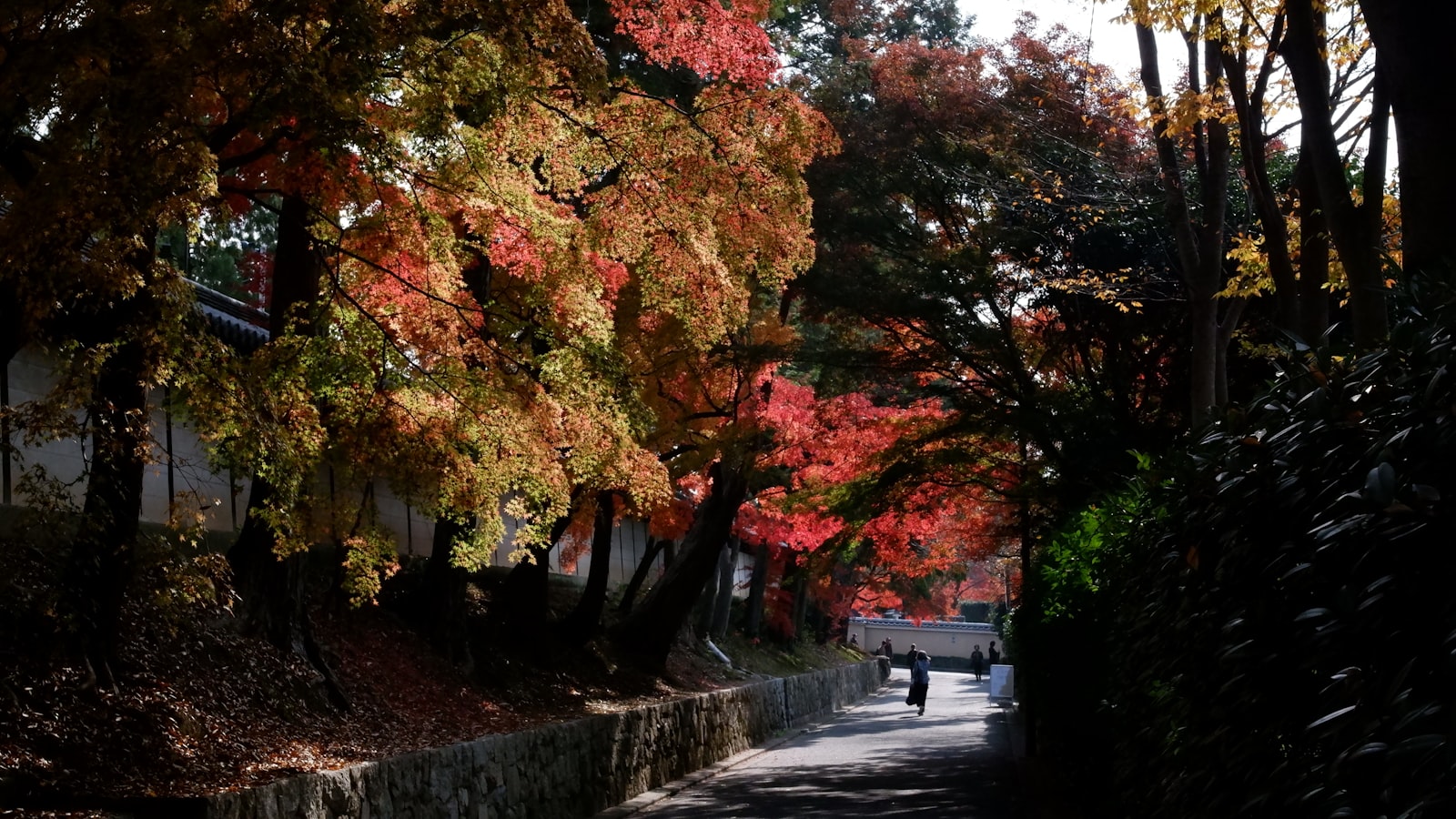
Korea’s autumn arrives with the precision of a train timetable and roughly the same tolerance for lateness. The colour begins in the northern highlands in late September and moves south over some six or seven weeks, valley by valley, until it finally reaches the southern coast in November — which means the single most important decision in planning an autumn trip to Korea is not where to go, but when. Arrive a week too early and the maples are still stubbornly green; a week too late and you are walking through drifts of fallen leaf litter rather than the canopy itself.
We have made both mistakes, and the lesson each time has been the same: build the itinerary around the colour, not the other way round, and be willing to move the whole trip by a week if the forecasts shift.
Reading the Season Properly
Korean meteorological services and several independent trackers publish foliage progression maps each year, updated weekly through the season, and it is worth checking them obsessively rather than relying on last year’s dates. Elevation matters as much as latitude — a temple valley at altitude can peak a full ten days before a city park at sea level only a short drive away — so a single-region trip timed around one valley’s peak may catch a neighbouring one either just before or just after.
The mountainous national parks of the southwest are usually the country’s most reliable spectacle, their valley temples framed by centuries-old maple groves planted, in some cases, specifically for the colour they would eventually produce. Walking the main pilgrim path here in the second or third week of the peak, when the canopy has closed almost entirely overhead, is one of the more purely beautiful things you can do in a single autumn week in Asia.
Beyond the Famous Valleys
The temple valleys draw the crowds, reasonably, but some of the finest colour we have found in Korea has been incidental — a university campus in Seoul with an avenue of gingko trees turning a solid, improbable gold; a reservoir walk outside a provincial city where the water throws back a mirrored double of the hillside above it. Korea’s cherry blossom cities tend to double, six months later, as some of its best autumn viewing too, since the same tree-lined boulevards and river parks that carry spring colour carry autumn colour with equal generosity.
A short list of what to prioritise
- A temple valley walk timed to the second week of that region’s predicted peak, ideally on a weekday
- At least one gingko avenue — the yellow arrives on a slightly different schedule to maple red and is worth chasing separately
- A reservoir, lake or riverside path for reflected colour, which photographs and simply feels more dramatic than tree cover alone
A Buddhist monk we spoke with at one of the southern temple complexes, tending the grounds ahead of a particularly busy weekend, offered a version of the same advice every guide eventually gives: “Come on a Tuesday, come early, and do not talk while you walk. The leaves are loud enough on their own.” It is advice that has served us well at every valley since.
Where to Base Yourself
Provincial guesthouses near the major national parks fill quickly during peak weeks, and booking three to four weeks ahead is not excessive caution but simple necessity. For a slower, less crowded alternative, several smaller cities in the south make excellent bases with far easier access to restaurants and hot springs after a long day of walking — worth pairing with a proper search for great Korean barbecue once the boots come off, since nothing closes an autumn hiking day quite like it.
If your trip allows a wider regional comparison, it is worth knowing that Taiwan’s autumn escapes and China’s autumn colour circuits run on broadly similar but distinct calendars, which can be useful if Korea’s peak window does not align with your travel dates in a given year.
Practical Notes for the Season
Pack for a wider temperature range than the season’s reputation suggests — mornings at altitude can be genuinely cold even while afternoons in the valley remain mild, and the light layering that works well in a temperate city will leave you underdressed on an early trailhead. Weekday visits, wherever possible, make an enormous difference to crowd levels at the most photographed sites; weekend queues at the best-known temple gates can run to an hour or more during peak weeks.
Transport is worth planning with the same care as accommodation. High-speed rail connects the major cities efficiently, but the temple valleys themselves usually require a local bus or a hired car for the final stretch, and those services thin out considerably once the light starts to fade — plan the return leg of any valley walk well before dusk rather than after it. Renting a car for two or three days during peak week, even for visitors who would not normally consider self-driving abroad, tends to pay for itself in flexibility, since public transport schedules rarely bend to accommodate a valley that has just, unexpectedly, hit its peak a few days early.
Food deserves its own place in the planning, not merely as a break between walks. Roadside stalls near the larger parks tend to sell chestnuts and persimmons harvested that same week, and a bowl of something hot after a cold morning trailhead does more for morale than any view. Provincial specialities shift by region too, so it is worth treating the meal stops as seriously as the temple stops themselves, rather than defaulting to whatever is closest to the car park.
What autumn in Korea ultimately offers is a lesson in specificity — not “go to Korea in autumn” but go to this particular valley in this particular week, timed against a forecast rather than a season. Get that right and you are rewarded with a canopy that genuinely does feel, for a handful of days, like the best version of the country. For further seasonal planning across the region, our Travel & Stays section tracks the calendars worth building a trip around.
Marcus writes on travel and hospitality across Asia, and is happiest a long way from a lobby.