Where to Find Great Korean BBQ
Korean BBQ has quietly grown up in Singapore, moving from buffet halls to considered grill rooms. Here is what separates the good from the truly great.
 By Renée Tan
29 August 2026 · 6 min read

Korean barbecue had, for a long time, an image problem in Singapore — associated more with buffet halls and unlimited refills than with any real culinary seriousness. That has changed considerably over the last several years, as a wave of more considered grill rooms has opened across the city, treating the format not as an all-you-can-eat proposition but as a genuine cuisine with its own hierarchy of cuts, ageing techniques and grilling philosophies. The good news for diners is that this shift has made Korean BBQ, at its best, one of the more interesting live-fire dining experiences the city has to offer.
It starts with the cut, not the marinade
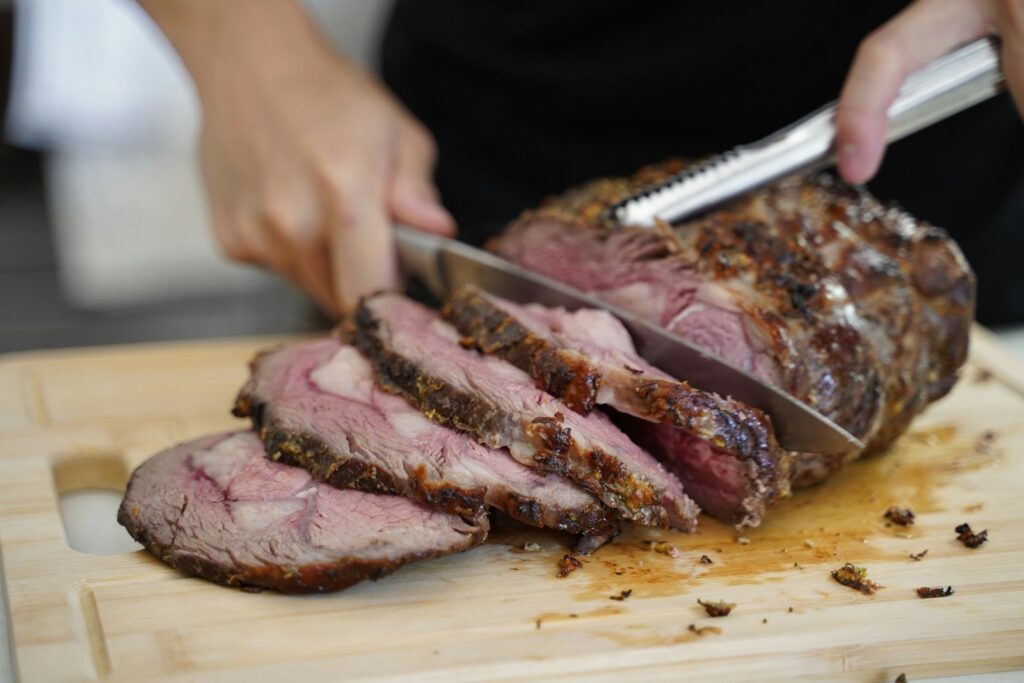
A common misconception is that Korean barbecue is defined by its marinades — the sweet, soy-and-pear glaze most associated with bulgogi. In fact, the more serious end of the category is almost entirely unmarinated, built instead around the quality of the meat itself. Cuts like galbisal, hanwoo striploin, or thickly sliced pork belly are grilled with nothing more than salt, sometimes not even that, and the entire experience rests on how the meat has been sourced and aged.
This is where the better grill rooms distinguish themselves. Serious operations now dry-age their beef in-house, sometimes for several weeks, developing a depth of flavour that a same-day cut simply cannot match — part of a broader live-fire culture worth exploring across our Dining & Drinks section. It is worth ordering a table’s worth of unmarinated cuts specifically to test a restaurant’s confidence in its meat — a kitchen with nothing to hide will happily let the grill and the salt do all the work.
What to look for on a good menu
- A clear distinction between hanwoo (Korean beef), wagyu, and standard grain-fed imports, with pricing that reflects it honestly.
- Offal and secondary cuts offered seriously, not as an afterthought — beef intestine, ox tongue, pork jowl.
- Charcoal rather than gas, ideally binchotan or a comparable hardwood charcoal, which imparts a cleaner heat and a faint smokiness gas cannot replicate.
- Banchan made fresh and rotated, rather than a static, pre-packaged set served identically every visit.
The grilling itself deserves attention too. At the best tables, a server or the diners themselves manage the fire actively — turning meat at precisely the right moment, trimming fat as it renders, moving cuts to cooler zones of the grill rather than letting everything cook at a single uniform heat. This kind of live, attentive cooking sits comfortably alongside other forms of theatrical, tableside grill dining that have found an audience in Singapore, where the cooking process is as much the draw as the finished plate.
Beyond beef: the case for pork and offal
While hanwoo beef tends to command the most attention and the highest prices, some of the most rewarding Korean barbecue in Singapore happens at the pork end of the menu. Thick-cut samgyeopsal, properly rendered so the fat crisps at the edges while the interior stays tender, is a test of a kitchen’s patience in a way that beef, which cooks faster and more forgivingly, is not. Offal cuts — beef intestine in particular — reward diners willing to move past the familiar, offering a chewy, mineral-rich contrast to the richer cuts around them.
“The mark of a serious Korean grill house isn’t the beef,” a Seoul-trained chef working in Singapore told us. “It’s whether they respect the pork and the offal as much as the premium cuts.”
For anyone building out a broader understanding of how ageing and cut selection shape a plate of grilled meat, it is worth reading in tandem with our closer look at dry-aged beef, explained for the curious, much of which applies directly to how the city’s better Korean grill rooms are now sourcing and preparing their beef.
The soju and beer question
No Korean barbecue meal is complete without something cold to cut through the richness of the grill, and the city’s better addresses have started taking this half of the meal as seriously as the meat itself — stocking a wider range of soju beyond the standard green-bottle varieties, and pairing menus with Korean craft beers alongside the more familiar lagers. It is a small but telling detail, and one worth noting alongside a broader look at the craft breweries worth knowing in the region, several of which now supply the more considered grill rooms directly.
Late, loud, and unhurried
Korean barbecue in Singapore tends to be a late-evening, unhurried affair, and the best experiences happen at tables willing to order in stages rather than all at once — starting with leaner cuts, building toward the richer, fattier ones, and finishing with a bowl of naengmyeon or a simple soup to close the meal. It slots naturally into a wider pattern of late-night eats quietly elevated, a category the city has become increasingly good at over the past few years.
Reading the room, and the table
Part of what makes Korean barbecue worth doing properly is the shared, communal nature of the meal — there is no real version of it eaten alone, and much of its pleasure comes from the choreography of a table working together, tending the grill, refilling each other’s cups, deciding collectively when a cut is ready to come off the fire. A restaurant’s staff should be an active part of this rhythm at the better addresses, stepping in without being asked to trim fat, flip a cut at the right moment, or swap a grill plate before it scorches the next round of meat. A table left entirely to its own devices, with no one checking in, is usually a sign the kitchen has deprioritised the grilling itself in favour of turnover.
Portion sizing is worth paying attention to as well. The better grill rooms tend to serve smaller, more frequent portions rather than large upfront plates, which keeps meat arriving at the table close to room temperature rather than sitting and cooling before it hits the fire. It is a small operational detail, but one that separates a restaurant genuinely invested in the quality of each bite from one simply moving volume through a busy evening. The same instinct for looking past the familiar dishes rewards diners elsewhere in the region, as our guide to great Thai food beyond the basics suggests.
What ties the best Korean barbecue in Singapore together is not any single technique or cut, but a willingness to treat the format with the same seriousness given to any other live-fire cuisine — proper sourcing, proper ageing, and a grill managed with real attention rather than left to its own devices. Find a table doing that, and the rest of the meal tends to take care of itself.
Renée has covered Singapore's restaurants for over a decade, with a soft spot for the kitchens most people walk past.