The Best Cherry Blossom Cities in Korea
Korea's blossom season is a moving front, not a fixed date, and knowing which city to chase it to is most of the trip that is worth taking well.
 By Marcus Lim
30 August 2026 · 6 min read
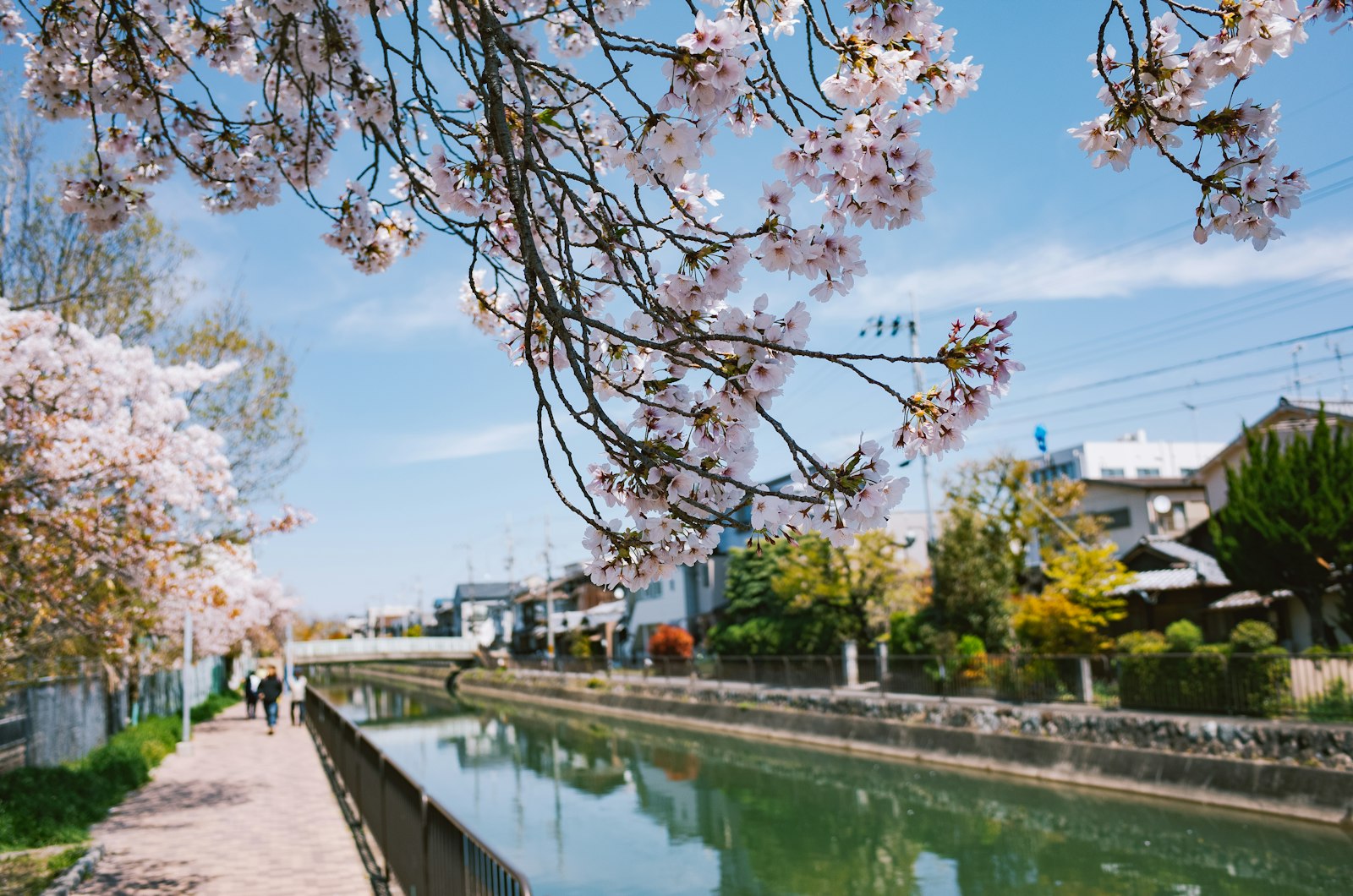
Japan tends to win the international conversation about cherry blossom season, but Korea’s version, arriving roughly a week or two later and unfolding with noticeably less fanfare, has its own considerable case. The country’s geography spreads the bloom out over nearly a month, moving steadily from the warmer southern coast up towards Seoul, which means a well-timed trip can be built around chasing the flowering front north rather than gambling on a single week in a single city.
Jinhae, for the Full Immersion
The southern naval city of Jinhae is, by most accounts, where Korea’s blossom season reaches its most concentrated expression. A former railway line running through the town has been left largely unused for traffic and is instead lined so thickly with blossom trees that the branches meet overhead, forming a tunnel that turns almost entirely pink and white for a matter of days each spring. The city leans into this fully, with a festival that draws crowds from across the country, so the trick is arriving early in the morning or staying overnight to catch the trees before the day-trip buses do. It rewards patience and a willingness to walk rather than drive.
Gyeongju, for Blossom Among Ruins
Further inland, the former royal capital of Gyeongju offers a different, quieter register: ancient burial mounds, ninth-century pagodas and lakeside pavilions all framed by blossom trees planted decades ago with obvious intent. The pairing of very old stone and very fleeting flower gives the city a particular melancholy that suits a slower kind of travel, and it makes an easy addition for anyone building a longer loop that also takes in Korea’s best spots for autumn leaves on a separate trip — the same landscapes, entirely different mood, six months apart.
The burial mounds in particular reward an early start. Arriving at first light, before the tour groups and while the grass is still damp, means having entire avenues of blossom-lined paths largely to yourself, with the ancient tumuli rising like green hills behind the trees. A bicycle, widely available for hire near the historic district, remains the most sensible way to cover the ground between sites, and it turns what could be a dutiful sightseeing morning into something closer to a genuinely pleasant ride.
Seoul, for Convenience Without Compromise
For travellers unwilling to build an entire itinerary around a single bloom, Seoul remains the pragmatic choice, and a good one. The stretch of riverside path along Yeouido, planted densely with blossom trees decades ago as a civic project, now draws enormous evening crowds with good reason — the trees are lit after dark, and the effect against the river is genuinely worth the company. Quieter alternatives exist within the same city for those who would rather skip the crowds entirely; a handful of palace gardens and university campuses bloom just as fully with a fraction of the foot traffic.
Seoul also has the advantage of everything else the city does well close at hand. A blossom morning fits naturally alongside an evening spent at one of the best modern Korean restaurants in the city, or a late supper built around where to find great Korean barbecue.
Planning around the bloom
- The front moves roughly ten to fourteen days south to north, so a two-city trip is entirely feasible in a single week.
- Peak bloom rarely lasts more than a week in any one location, and can be shortened by a single hard rain.
- Weekday mornings are dramatically quieter than weekend afternoons at every major site.
- Regional trains make the south-to-north chase genuinely practical without a car.
Beyond the Big Three
A handful of quieter cities deserve mention for travellers who have already done the obvious circuit. The southern coastal city near Jinhae has smaller, less publicised blossom streets that locals favour precisely because tourists rarely find them, and several of the country’s temple towns, tucked into hills a short drive from the coast, combine the bloom with the kind of unhurried temple-stay hospitality that pairs beautifully with Asia’s best spring gardens for a broader seasonal itinerary. One long-time Korea guide, speaking to us on a previous trip, described the appeal simply: “Everyone photographs Jinhae. Almost nobody photographs the small towns twenty minutes past it, and they are half as crowded and just as pink.”
The southern port city of Busan also deserves a mention, less for a single dramatic bloom than for the way blossom trees are woven into the everyday fabric of the city — along riverside cycling paths, around a hillside temple with sea views, and through a university campus that becomes, briefly, one of the more photographed corners of the country. It lacks Jinhae’s singular spectacle but rewards a slower, more exploratory day, and it combines well with the coastal food culture the city is separately known for.
Getting the Logistics Right
Because the season is short and the crowds concentrated, a little logistical care goes a long way. Domestic trains between the southern cities and Seoul run frequently and reliably, making a car largely unnecessary even for a multi-city blossom trip, and booking accommodation the moment dates firm up — rather than waiting for a precise bloom forecast — is generally the safer strategy, since the best guesthouses near Jinhae’s tunnel sell out weeks ahead regardless of whether the trees have actually opened yet.
Forecasts do exist and are worth checking close to departure, though they shift by several days even in the final week before bloom, largely at the mercy of a late cold snap or an unseasonably warm run of weather. Building one or two flexible days into any blossom-focused trip, rather than fixing every date months in advance, remains the single best insurance against arriving a week too early or too late.
What Makes It Worth the Planning
What makes the Korean blossom season worth the specific planning it demands is precisely its unpredictability. Unlike a museum or a temple, it cannot be rescheduled around your holiday dates; you are, for a short and slightly frantic window, working entirely to nature’s calendar. That constraint, inconvenient as it is, is also most of the charm — a reminder, rare in modern travel, that some things still refuse to be booked in advance. Readers planning a broader spring itinerary across the region will find further inspiration in Black Cow’s Travel & Stays coverage.
Marcus writes on travel and hospitality across Asia, and is happiest a long way from a lobby.