The Best Mountain-View Hotels in Asia
A great mountain-view hotel is really a bet on the weather and a well-placed window. Here is where that particular bet reliably pays off across Asia.
 By Marcus Lim
30 August 2026 · 6 min read
By Marcus Lim
30 August 2026 · 6 min read
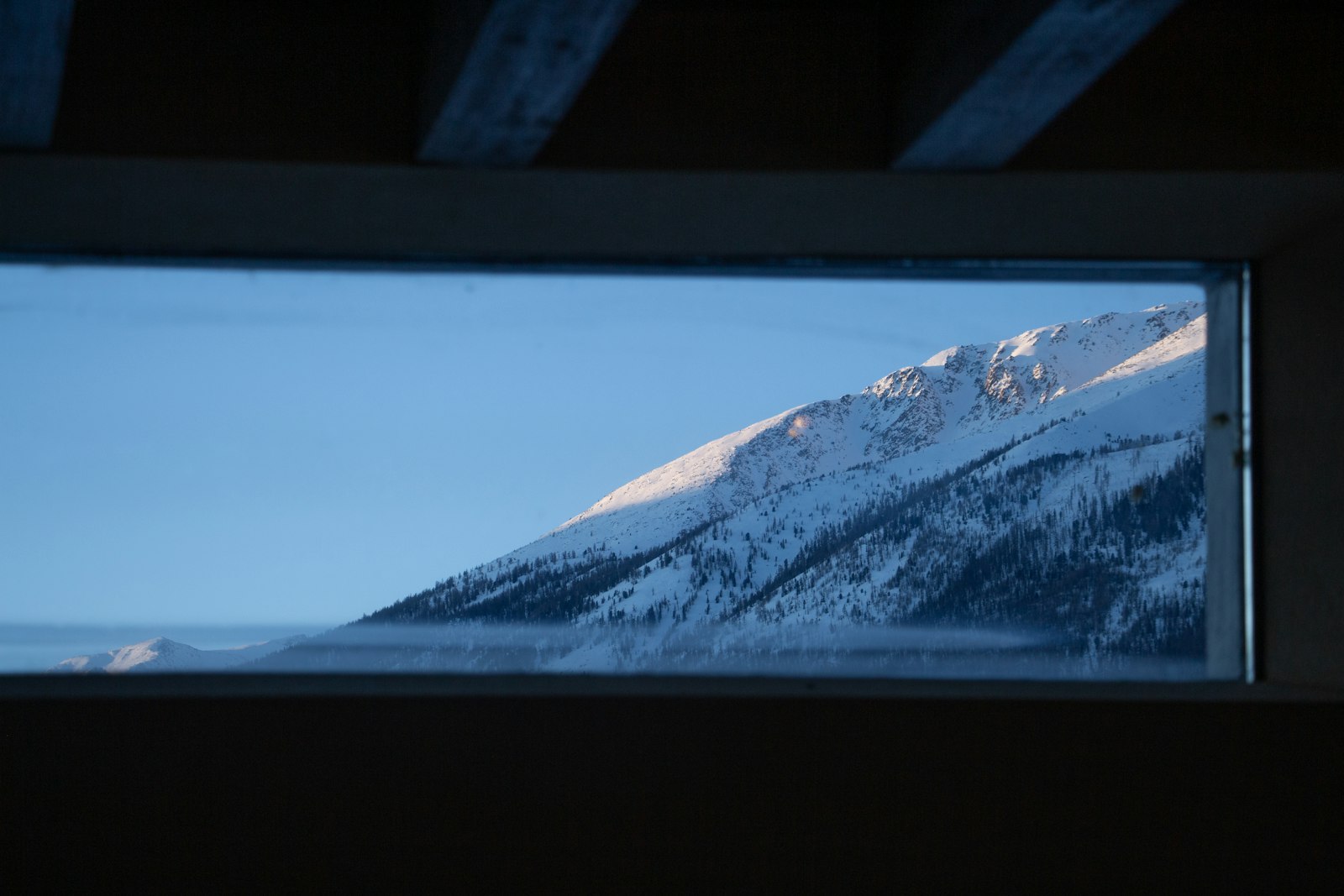
Every mountain-view hotel makes the same quiet promise, and most of them break it. You book the room with the photograph of the peak framed perfectly in the window, and you arrive to find the peak has vanished behind a bank of cloud that the concierge assures you, with practised diplomacy, “usually clears by lunch”. The good ones understand this and build the whole stay around the possibility rather than the guarantee — fireplaces, deep baths, terraces angled for the moment the weather turns, so that even a grey morning has somewhere worth sitting.
We have learned, over a fair number of these stays, that the best mountain hotels in Asia are not simply the tallest or the closest to the summit. They are the ones that understand what a mountain view is actually for: not conquest, but scale — a reminder, taken in slowly over coffee, that you are small and the day is long.
The Himalayan Foothills
Northern India and Nepal’s hill stations remain the region’s most theatrical setting for a mountain hotel — colonial-era properties repurposed with deep verandas built for exactly this purpose, and newer lodges positioned with an almost surgical precision toward a particular ridge line. The best rooms here are rarely the largest; they are the ones with an unbroken sightline to snow, sometimes forty or fifty kilometres distant, where the peaks change colour through the day in a way that makes checking the clock feel almost rude.
Bhutan’s monastery-adjacent lodges take the idea further still, positioning guests not merely to look at mountains but to feel dwarfed by the valleys between them. A single week here tends to recalibrate what “impressive view” means for every hotel booking that follows.
Japan’s Alpine Onsen Towns
Japan does mountain hospitality with a discipline the rest of the region rarely matches. In the alpine onsen towns of the central highlands, the view is treated as one element of a larger, considered whole — the bath positioned to catch the peak at exactly the angle the architect intended, the kaiseki dinner timed to end as the light turns violet on the ridgeline outside. It is worth pairing a stay here with the region’s other seasonal draws; those chasing snow will find plenty to plan around in the country’s best places for snow, while its most rewarding ski escapes sit within easy reach of several of the same alpine hotel towns.
What separates a good mountain hotel from a great one
- A view that survives cloud cover — terraces, fires, baths that make an overcast morning worthwhile regardless
- Rooms oriented deliberately toward the peak rather than the car park, even at the cost of a smaller floor plan
- A restaurant that times its best table to the hour the light is best, not merely to service convenience
Southeast Asia’s Highlands
Further south, the region trades snow for cloud forest, and the effect is no less dramatic. Hill-station retreats across Vietnam, Laos and parts of Indonesia sit at elevations high enough that the temperature drops noticeably by evening, and the “mountain view” becomes a rolling sea of cloud beneath the terrace rather than a fixed peak — arguably more photogenic for its unpredictability. A property we return to often, tucked into a ridge above a valley of tea terraces, times breakfast service to the exact half hour the cloud typically lifts, which tells you everything about how seriously they take the view.
“You are not booking a mountain. You are booking a window, and a chair, and the discipline to sit in it long enough for the mountain to show itself.” — a hotelier in the central highlands, on what the view actually costs
Choosing the Right Room
The single most common mistake in booking a mountain-view hotel is trusting the category name over the floor plan. “Mountain view” can mean a full wall of glass or a narrow slice visible only from the edge of the balcony if you lean. Always ask, specifically, what percentage of the window is unobstructed, and at what time of day the peak is typically visible rather than veiled. A good reservations team will know this instinctively; a mediocre one will simply confirm the room type and move on.
Consider, too, pairing the stay with a broader look at the region’s best mountain retreats more generally, several of which prioritise wellness and quiet over the view itself — a useful contrast if the peak turns out to be, as it often is, a lovely bonus rather than the whole point. And for hotels built around a view of any kind, coastal or alpine, our wider survey of Asia’s best hotels with a view is worth cross-referencing before you book.
When to Go, and Why It Matters More Here
Mountain hotels are more season-dependent than almost any other category of stay. A room that delivers an unbroken view of snowfields in January can show you nothing but grey haze in the wet months, and shoulder seasons — while often the best value — carry real risk of cloud cover for days at a stretch. We always ask the hotel directly, before booking, what the clearest months historically are, and build flexibility into the itinerary rather than pinning the whole trip to a single date. A two- or three-night stay hedges against a lost afternoon far better than a single overnight ever will.
It is also worth thinking about arrival time. Mountain roads are frequently narrow, occasionally closed by weather, and almost always slower than the map suggests; arriving with daylight to spare, rather than racing the sunset up a switchback pass, changes the whole tenor of the first evening. The properties that do this best often send a car with a driver who knows the road well enough to point out, without being asked, exactly where the first proper view of the peak will appear.
The Long Game
What we have come to appreciate most about mountain hotels is how little they rush you. There is no beach to be first onto, no restaurant queue to beat. The mountain will be there in an hour, and in a week, and largely unchanged in a decade, and the best properties seem to understand that their job is simply to give you somewhere comfortable to wait it out. Book two or three nights minimum if you can — the first evening is almost always spent adjusting to the altitude and the silence, and it is only the second morning that the view starts to feel like it belongs to you. For more on where and when to plan a longer mountain journey, our full Travel & Stays coverage is the place to start.
Marcus writes on travel and hospitality across Asia, and is happiest a long way from a lobby.