The Best Places for Snow in Japan
Japan in winter is more than powder skiing. A guide to the country's best snow destinations, from Hokkaido's fields to the onsen towns of Nagano.
 By Marcus Lim
30 August 2026 · 6 min read
By Marcus Lim
30 August 2026 · 6 min read
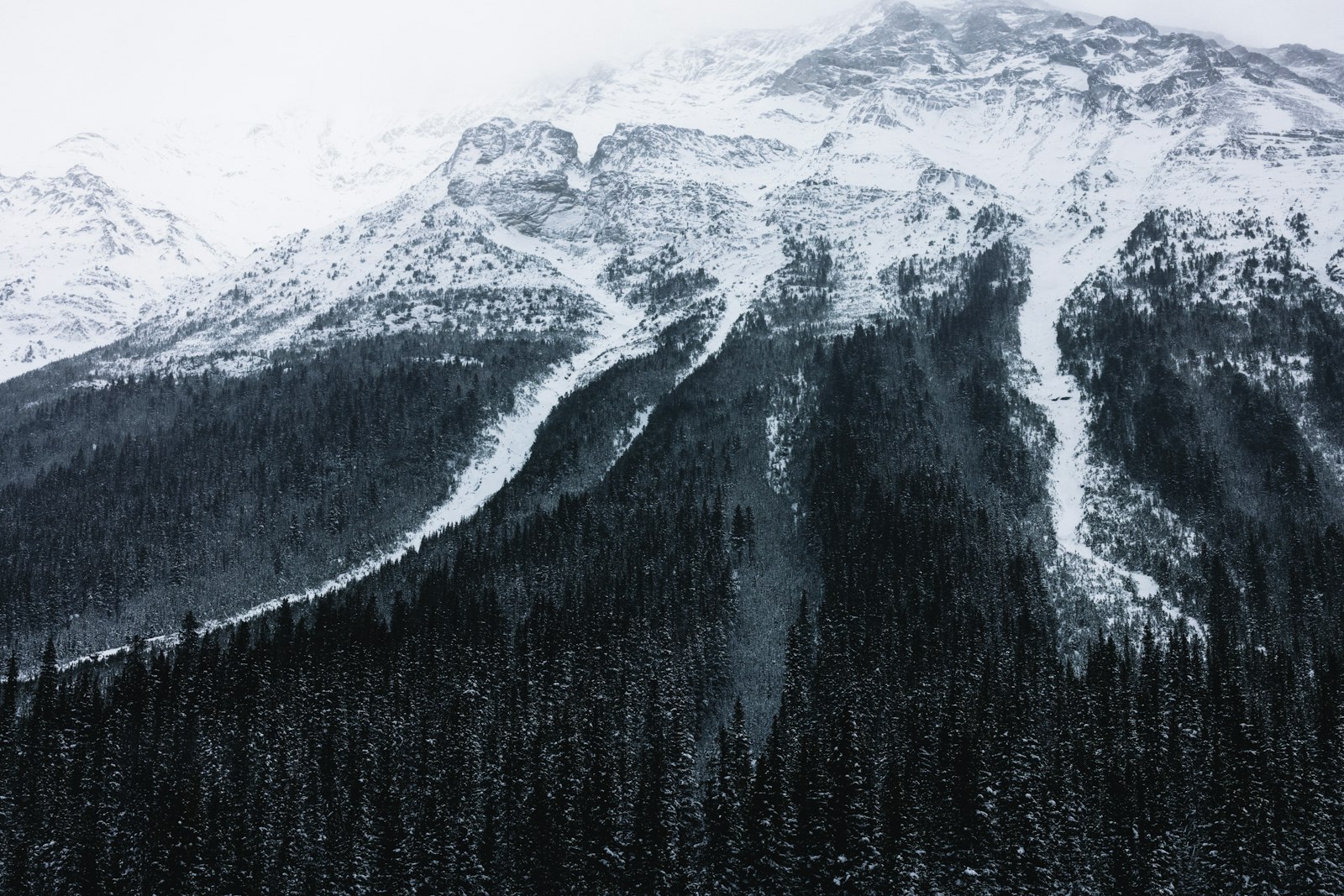
Japan’s relationship with winter is deeper and stranger than the ski-resort marketing suggests. Yes, the powder in Hokkaido is genuinely exceptional — a product of Siberian winds crossing the Sea of Japan and dropping some of the driest, lightest snow anywhere on earth. But the country’s winter appeal extends well beyond the pistes: snow monkeys soaking in steaming pools, whole towns built around hot springs, illuminated ice festivals, and a quality of light over snow-covered temple roofs that photographers spend entire trips chasing. A well-planned winter itinerary treats the snow as a backdrop to a much wider set of experiences.
Hokkaido, for the skiing itself
Niseko remains the best-known name and for good reason — reliable, abundant snowfall from December through February, an established international infrastructure, and a lively après scene that has grown considerably over the past decade. But the island holds quieter alternatives for travellers who want the same snow quality without the same crowds. Rusutsu, a short drive away, offers similarly reliable powder with noticeably shorter lift queues, while Furano, further east, has built a reputation among Japanese skiers precisely because it has resisted the same scale of international development. For a genuinely different register, the backcountry lodges scattered through central Hokkaido cater to skiers chasing untouched terrain with a guide, rather than groomed runs.
What sets Hokkaido’s snow apart
- Extremely low moisture content, producing the famously light “Japow” that skis noticeably differently from Alpine snow.
- Consistency — storm cycles roll through reliably enough that a week-long trip rarely loses more than a day to poor conditions.
- A strong onsen culture built directly into the ski towns, meaning a soak is never more than a short walk from the lifts.
Nagano, for the snow monkeys and the onsen towns
The Jigokudani Monkey Park, in the mountains of Nagano, is one of the genuinely singular winter experiences anywhere in the world — wild Japanese macaques descending from the forest to bathe in a naturally heated pool, apparently entirely unbothered by the small crowd of visitors photographing them from a few metres away. It rewards an early arrival, both for the light and for a period before the crowds build. Nagano’s ski resorts, including the venues used for the 1998 Winter Olympics, offer excellent skiing in their own right, and the region’s hot spring towns make a natural base — a subject our piece on family-run ryokan and inns covers in more depth, since several of Japan’s best small inns are clustered precisely in this part of the country.
Beyond the monkey park, Nagano’s snow-covered temple towns — Zenko-ji chief among them — are worth a full day on their own, particularly for travellers who want the quiet, contemplative side of winter Japan rather than the ski-resort energy of Hokkaido.
The illuminated festivals worth timing a trip around
Several of Japan’s winter festivals are worth building an itinerary around directly. The Sapporo Snow Festival, held each February, transforms the Hokkaido capital’s central park into a display of enormous ice and snow sculptures, illuminated after dark. Smaller, quieter versions of the same idea appear throughout the Tohoku region — snow-covered trees wrapped in fairy lights, ice lantern trails through mountain villages — and tend to reward travellers who venture beyond the single best-known festival to the smaller regional ones nearby.
“People come for the skiing and leave talking about the monkeys,” a Nagano-based guide told us, only slightly exaggerating. “Nobody expects it to be the highlight.”
Beyond the two headline regions
While Hokkaido and Nagano tend to dominate winter planning, several quieter regions deserve consideration for travellers who have visited Japan in winter before and want a genuinely different register. Tohoku, in the country’s northeast, holds its own strong ski culture alongside dramatic “snow monster” formations — trees encased in wind-driven ice and snow on certain mountain summits, an eerie and genuinely striking sight best seen at Zao Onsen. The Japanese Alps further south, straddling several prefectures, offer a wide network of smaller resorts that see considerably less international attention than Niseko or the Nagano Olympic venues, and reward travellers willing to base themselves somewhere less obviously signposted.
Kanazawa, on the west coast, is worth considering as a winter city break in its own right — a well-preserved castle town with a strong culinary tradition, close enough to several ski areas for a day trip, without requiring the winter itself to be the centrepiece of the visit. For travellers building a wider itinerary that stretches beyond Tokyo and Kyoto entirely, our guide to Japan beyond Tokyo and Kyoto is a useful companion for sequencing a winter trip around these quieter regions.
For the skiing itself, it is worth reading beyond a single resort’s marketing before committing an itinerary to it; our piece on the best boutique ski lodges covers a handful of smaller, more considered properties across several of these regions, worth weighing against the larger, more established resort names.
Building the itinerary
The mistake many first-time winter visitors make is trying to combine Hokkaido and Nagano in a single short trip; the internal flight and transfer times mean this compresses each destination into little more than a stopover. Better to choose one as the anchor of the trip — Hokkaido for travellers who want the skiing itself to be the centrepiece, Nagano and the surrounding Japanese Alps for those who want a mix of snow activity, onsen culture and the monkey park — and build a shoulder trip to Tokyo or Kyoto around it, where the winter light on snow-dusted temple gardens is a different but equally worthwhile register of the season.
Whichever region anchors the trip, book accommodation well ahead. The best ryokan and lodges in both regions have a limited number of rooms and fill quickly for the peak winter weeks, particularly around the Japanese New Year and the Lunar New Year period, when demand from both domestic and regional travellers peaks simultaneously.
Packing and practicalities
Japan’s winter cold is dry rather than damp, which makes it more bearable than the temperature alone suggests, but layering still matters — a proper base layer, a warm mid layer and a genuinely waterproof outer shell will serve better than a single heavy coat. If skiing is part of the plan, renting equipment locally is straightforward and often preferable to travelling with your own, particularly on a wider Asia itinerary. For travellers building out a broader winter wardrobe for this kind of trip, our archive on Travel & Stays has further guidance on packing for cold-weather travel without overloading a case.
What unites all of these destinations, from the powder fields to the monkey park to the illuminated festival trails, is a particular quality of stillness that Japan’s winter brings out — a country that is, for the rest of the year, defined by its energy and pace, slowing to match the season. It is worth experiencing at least once, and difficult to forget once you have.
Marcus writes on travel and hospitality across Asia, and is happiest a long way from a lobby.