The Art of Wearing Grey
Why grey rewards more skill than any bold colour, and how to layer tones and textures so an outfit reads as considered rather than simply safe.
 By Daniel Koh
30 August 2026 · 6 min read
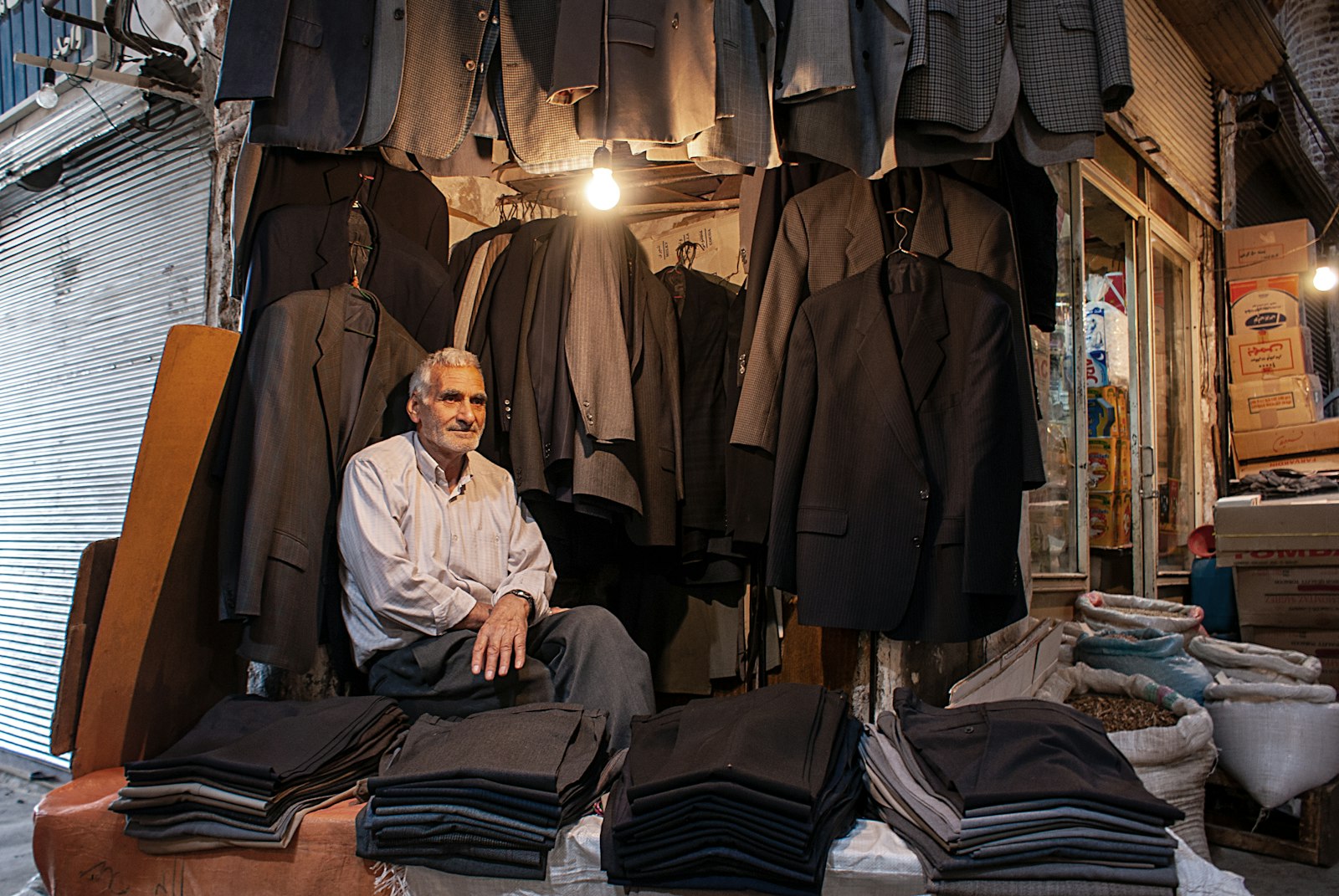
Grey has an image problem it does not deserve, dismissed, often, as the safe choice, the colour a man reaches for when he cannot decide on anything more interesting. This is a misreading. Wearing grey menswear well is actually one of the more sophisticated skills in a considered wardrobe, precisely because the colour offers so little else to hide behind. Without a bold pattern or a striking hue doing the work, fit, fabric and proportion have to carry the entire outfit, which is exactly why grey, worn properly, reads as more confident than most louder alternatives ever manage.
Grey Is Not One Colour
The first mistake in building any grey outfit ideas collection is treating grey as a single fixed shade rather than the enormous spectrum it actually is, from a pale, almost silvery dove grey through mid-tones to a charcoal so deep it borders on black. A genuinely well-dressed grey outfit rarely uses just one shade; it layers two or three tones of grey against each other, which reads as considerably more interesting than a single flat block of colour, while still keeping the overall palette calm and coherent rather than visually noisy or scattered. A waistcoat in a slightly different shade is one of the simplest ways to achieve that layering, which is part of the quiet case for the waistcoat.
Texture Does the Work Colour Usually Would
Since grey offers less visual interest through hue alone, texture becomes the primary tool for keeping an outfit from reading as flat or lifeless. A flannel trouser against a smooth worsted-wool jacket, or a ribbed knit against a crisp poplin shirt, creates genuine visual depth without introducing a single additional colour. This is the underlying logic behind the quiet art of layering more broadly, but it applies with particular force to grey, where texture contrast is doing almost all of the outfit’s expressive work in the absence of any bold hue to lean on.
Combinations Worth Trying
- Charcoal trouser, mid-grey knit, and a white shirt collar showing at the neck
- A pale grey linen jacket over a slightly darker grey trouser, for warmer months
- Grey flannel trouser with brown suede shoes, letting a warm neutral break up the palette
Where Fit Becomes More Important Than Usual
Because grey offers no colour or pattern to distract from a poor silhouette, imperfect fit shows up more obviously in grey than it does in almost any other shade. A jacket that gaps slightly at the collar, or trousers that break too heavily at the shoe, become considerably more noticeable when there is nothing else in the outfit to draw the eye elsewhere. This is, in a sense, the hidden discipline behind wearing grey well: it forces genuine attention to fit and proportion, the fundamentals that actually make an outfit look expensive, rather than relying on colour or pattern to carry an outfit that is not, underneath, particularly well cut in the first place. Those who enjoy the discipline of a single, restrained colour may also appreciate the quieter challenge of wearing white after dark.
The Grey Suit as the Category’s Centrepiece
No discussion of grey in menswear is complete without addressing the suit specifically, since a genuinely good grey suit is arguably more versatile than its navy counterpart, equally credible in a boardroom, at a wedding as a guest, or dressed down with an open collar and no tie at all. Mid-grey in particular photographs and reads well across a wider range of lighting conditions than either very pale or very dark alternatives, which is part of why so many well-dressed men eventually settle on it as a default rather than an occasional choice reserved for formal occasions only.
Navy is what men wear when they’re not thinking about it. Grey is what they wear once they’ve actually started paying attention.
Avoiding the Flat, Lifeless Version
The failure mode of grey is not wearing too much of it, it is wearing it without any tonal or textural variation at all, which produces the washed-out, forgettable look that gives the colour its undeserved reputation. A single monotone grey outfit, same shade top to bottom, same smooth fabric throughout, is the one genuine mistake to avoid. Beyond that, grey is remarkably forgiving, pairing easily with warm neutrals like camel and brown, cooler accents like navy, and even the occasional considered pop of colour in a pocket square or tie for a touch of contrast.
Accessories Against Grey
A monochrome grey outfit benefits, more than most, from a single deliberate accent elsewhere — a watch strap in oxblood leather, a pocket square in a muted rust, a pair of shoes in a warm brown rather than another shade of grey or black. The instinct to keep accessories equally neutral is understandable but usually a mistake; grey’s calm base is precisely what allows a small accent to register clearly, in a way it might get lost against a busier, more colourful outfit competing for the same attention. This is one of the quieter advantages of building a wardrobe around a genuinely neutral palette: it makes every subsequent accessory decision easier, not harder, since almost anything sits comfortably against it.
Grey Across the Seasons
Grey adapts more readily to seasonal change than most colours manage, provided the fabric weight shifts accordingly. A lightweight grey linen or cotton-wool blend carries the palette convincingly into warmer months, while a heavier flannel or tweed anchors it firmly in winter without the outfit ever feeling like a completely different wardrobe. This seasonal flexibility is part of why grey rewards long-term investment: a single well-chosen grey jacket, in the right weight, can realistically see service across three seasons rather than being retired the moment the weather turns.
Building It Into a Wider Wardrobe
Grey’s neutrality makes it a natural anchor for the kind of deliberately edited wardrobe discussed in building a ten-piece capsule wardrobe, since grey pieces combine easily with almost everything else already in the rotation, multiplying the number of credible outfits without multiplying the number of items owned. Once the instinct for tonal layering clicks, grey stops feeling like the safe option and starts feeling like the deliberate one, which was, in fact, the whole point all along. Further wardrobe fundamentals worth building on sit within the broader Style & Watches section, for anyone still assembling the pieces around it.
Daniel has spent fifteen years arguing that the best watch is the one you never take off.