The Best Everyday Sneakers, Reconsidered
What actually separates a genuinely well-made sneaker from a disposable one, and why the minimalist styles tend to age the most gracefully of all.
 By Daniel Koh
30 August 2026 · 5 min read
By Daniel Koh
30 August 2026 · 5 min read
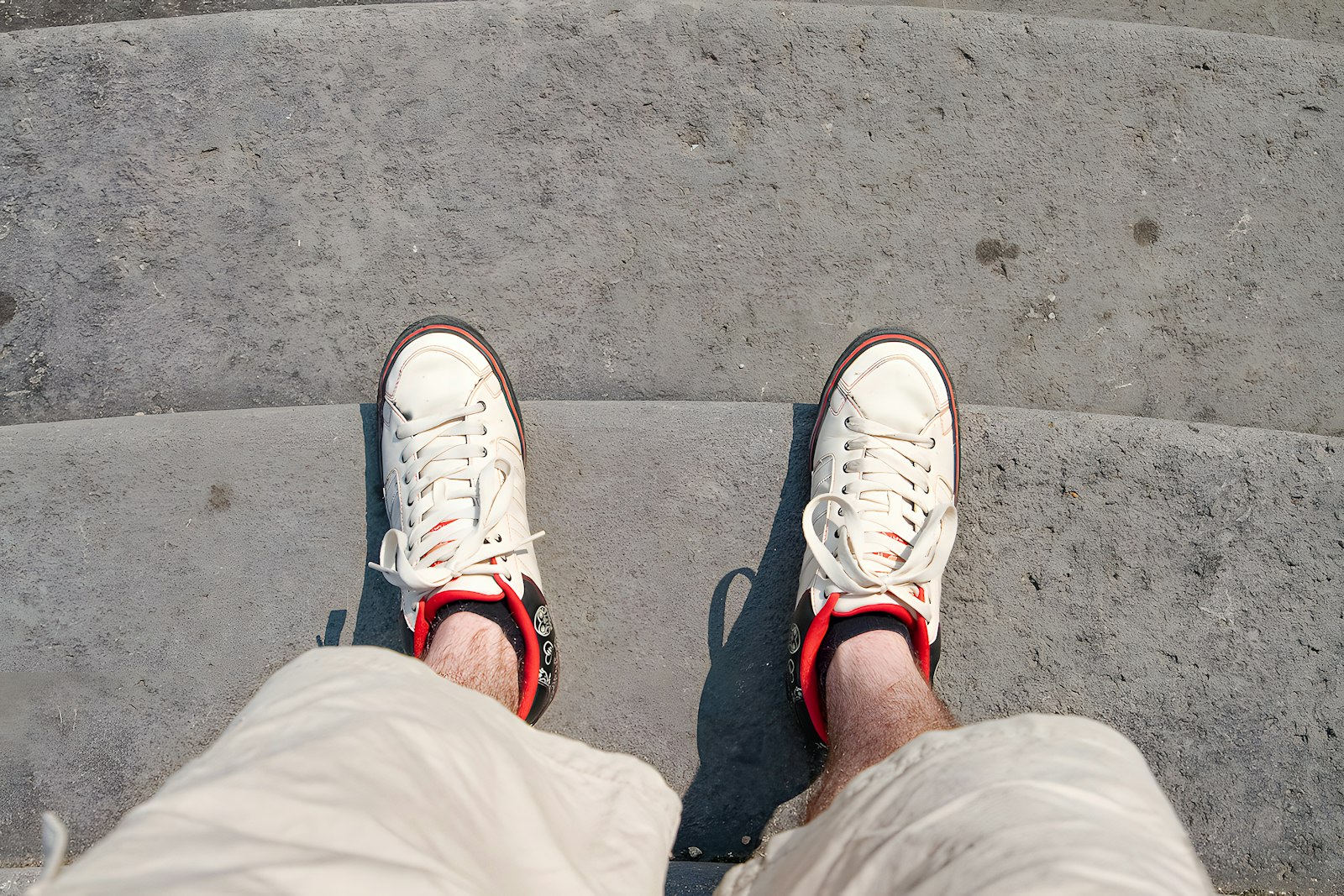
The sneaker’s rise into serious menswear wardrobes has been so complete that it now barely warrants comment, but the category itself deserves closer scrutiny than it typically gets, because “sneaker” now covers everything from disposable fashion-house novelties to genuinely well-constructed footwear built to outlast a decade of daily wear. Finding the best luxury sneakers men actually keep wearing five years in, rather than replacing after five months, requires looking past the branding entirely and towards the same fundamentals that govern any well-made shoe of any style whatsoever.
The Case for Minimalism, Specifically
Within the broader sneaker category, minimalist sneakers, a clean low-profile silhouette, minimal branding, a single considered colour, have proven to be the more durable choice in every sense of the word, both stylistically and physically. They pair with tailoring in a way that chunkier, more aggressively styled sneakers simply cannot, sliding into a smart-casual outfit without fighting the rest of it for attention. And because they avoid the specific silhouette trends that date more elaborate designs within a season or two, a good minimalist sneaker bought today will look just as credible in five years as it does right now.
Leather Quality Determines Everything Else
The single biggest gap between a genuinely well-made sneaker and a disposable one is the leather itself. Full-grain leather, properly tanned, develops a patina over months of wear, small creases and subtle colour variation that make the shoe look better with age rather than simply worn out. Cheaper corrected-grain leather, by contrast, tends to crack and peel rather than age gracefully, no matter how polished the shoe looked on the shelf on the day of purchase. This is the same principle that governs the details of a well-made shoe across every category of footwear, not just sneakers specifically, sneakers are simply the category where buyers most often forget to apply it.
What to Check Before Buying
- Full-grain rather than corrected-grain leather, checked by looking closely for natural texture variation
- A leather or genuine rubber sole that can be resoled, rather than a fully moulded unit sole
- Stitched rather than purely glued construction at the welt, for anything expected to last years
The Suede Question
Suede sneakers occupy an interesting middle ground, softer and more casual than smooth leather, but requiring genuinely more careful maintenance to avoid looking tired within a season. The broader case for the material’s return to serious wardrobes is made in the return of the suede shoe, and the same logic applies to sneakers specifically: a good suede sneaker, properly brushed and protected, ages into something genuinely handsome, while a neglected one looks shabby within months of regular wear on city pavements.
A good sneaker should be able to sit next to a pair of oxfords in a wardrobe rotation without looking out of place. That’s the actual test.
Colour and Pairing
White remains the most versatile starting point for anyone building a serious sneaker rotation, but it demands the most upkeep, a scuffed white sneaker reads far worse than a scuffed neutral one. A mid-tone neutral, closer to the territory discussed in how to wear brown shoes with confidence, tends to hide the ordinary wear of daily life more gracefully while still pairing easily with most trouser colours, from grey flannel to indigo denim worn on a genuinely casual day.
Sole Construction Deserves Its Own Scrutiny
Beyond the upper leather, the sole is where most sneakers actually fail first, long before the leather itself shows serious wear. A stitched or cemented-and-stitched welt allows a cobbler to replace a worn sole without touching the upper, effectively resetting the shoe’s remaining lifespan for a fraction of the cost of a full replacement. Fully moulded rubber units, by contrast, cannot be meaningfully resoled once the tread wears down, which means the entire shoe is effectively disposable regardless of how well the leather has held up above it. This single construction detail, rarely mentioned in marketing copy, is arguably more predictive of a sneaker’s real lifespan than the leather quality it usually gets compared against.
Maintenance That Actually Extends a Sneaker’s Life
A soft brush and a damp cloth, used weekly rather than only when a shoe looks visibly dirty, prevent the kind of ground-in grime that eventually cracks leather permanently. Leather conditioner applied every month or two keeps the material supple, particularly important in humid climates where leather dries out faster than most owners expect. Rotating between two pairs rather than wearing a single sneaker daily also matters more than most buyers realise, giving the leather and the sole’s cushioning time to fully recover between wears, which meaningfully extends the working life of both pairs combined.
What the Right Fit Actually Looks Like
A sneaker’s fit differs meaningfully from a dress shoe’s, and buyers used to the tighter, more structured fit of formal footwear sometimes get this wrong. A properly fitted sneaker allows roughly a thumb’s width of room at the toe, with the heel held snugly rather than slipping, since sneakers are, unlike a leather-soled dress shoe, generally worn for considerably longer stretches on hard pavement, where an ill-fitting shoe causes genuine discomfort within hours rather than merely looking imprecise. Trying a sneaker on in the afternoon, when feet have naturally swollen slightly from a day of walking, remains one of the more reliable ways to avoid buying a size that feels fine in the morning and cramped by evening.
How Many Pairs Actually Warrant Owning
Within the wider logic of how to build a shoe wardrobe, two well-chosen sneakers, one white or off-white, one darker neutral, will comfortably cover the vast majority of smart-casual situations a considered wardrobe needs to handle. Beyond that, additional pairs tend to serve novelty more than genuine utility. Buy fewer, buy better, and expect to resole rather than replace, the same discipline that governs the rest of a considered wardrobe, explored further across Style & Watches, applies just as firmly here, whatever the specific silhouette a given season happens to favour.
Daniel has spent fifteen years arguing that the best watch is the one you never take off.