The Art of the Loden Cape
Heavy, weatherproof and centuries old, the loden cape remains one of menswear's most underrated cold-weather garments. Here is how to wear it well.
 By Daniel Koh
31 August 2026 · 6 min read
By Daniel Koh
31 August 2026 · 6 min read

Few garments in menswear have survived quite so unchanged, or quite so unbothered by fashion, as the loden cape. Its origins lie in the Alpine regions of Austria and Bavaria, where shepherds and huntsmen needed a covering dense enough to shed rain and snow, loose enough to move freely in, and warm enough to survive hours in exposed mountain weather without the bulk or restriction of a fitted coat. The solution — a heavy, felted wool cape, its distinctive dark green colour derived originally from a natural plant dye — has barely changed in silhouette since the eighteenth century, and remains, for anyone willing to look past its rustic reputation, one of the more genuinely useful cold-weather garments still in production.
The wool that makes it work
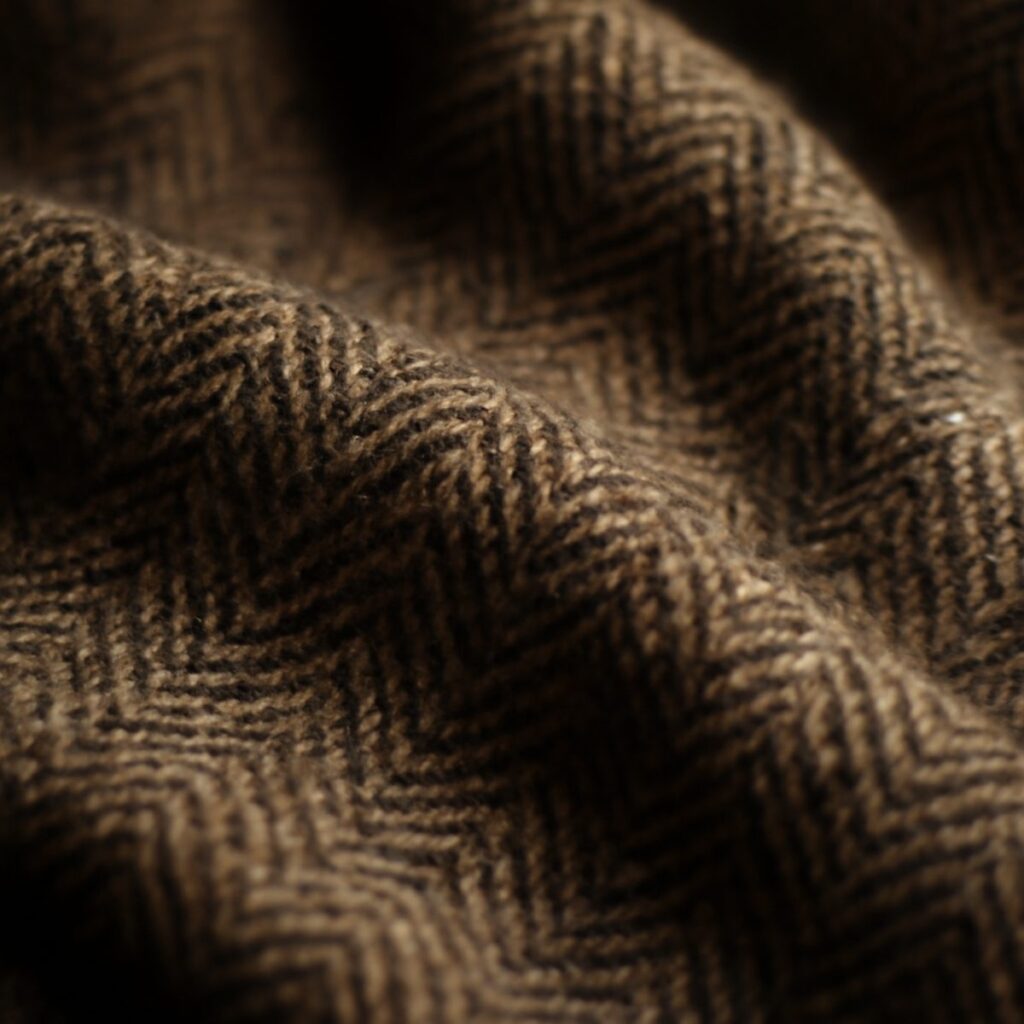
Loden cloth is not simply heavy wool; it is a specifically fulled and felted fabric, worked after weaving until the individual fibres mat together into a dense, weatherproof surface with a distinctive soft nap. This felting process closes the weave enough to shed light rain and wind almost entirely without any additional treatment or coating, while the wool’s natural lanolin content adds a further, if modest, layer of water resistance. The result is a fabric considerably warmer for its weight than most conventional overcoating, and one that ages by softening rather than by wearing thin.
What to look for in a genuine example
- A visibly dense, tightly felted surface with minimal loose fibre — a hallmark of proper fulling rather than a lighter, merely brushed finish.
- Traditional Alpine detailing, including a stand collar and often a decorative clasp or frog closure at the neck, rather than a simplified, costume-adjacent version.
- Weight appropriate to genuine cold-weather use — a true loden cape should feel substantial on the shoulder, not merely styled to look so.
Wearing it without looking like a costume
The loden cape’s biggest obstacle to modern adoption is its strong association with a specific, somewhat theatrical Alpine aesthetic — think folk dress rather than tailoring. Worn well, however, it reads as something closer to a considered, slightly severe piece of outerwear, particularly over a simple dark roll-neck or shirt and trouser combination rather than anything overtly rustic. The cape’s draped, structured shoulder line actually flatters a broad range of builds precisely because it does not cling to the body, and its length — typically falling well past the hip — gives it a genuine architectural presence rather than the fussiness a shorter cape can carry.
“People think of it as a costume piece until they wear one through a genuinely cold, wet week,” said one tailor specialising in Alpine outerwear. “Then they understand why it survived this long.”
Practical considerations
A cape, by definition, sacrifices arm mobility for warmth and weather protection, and this trade-off deserves honest consideration before buying one. Most genuine loden capes include discreet arm slits or a partial front opening allowing hands to emerge for practical tasks, but they remain, fundamentally, a garment for walking rather than driving or cycling. This makes them best suited to a slower kind of cold-weather life — a country weekend, a market town, a considered winter walk — rather than daily urban commuting, where a more conventional coat will simply prove more practical.
Caring for a loden cape
Properly felted loden wool is remarkably self-sufficient. Light rain and snow can generally be brushed off rather than requiring immediate drying, and the fabric’s dense structure resists creasing far better than most woven wool. Occasional airing and a gentle brush to lift the nap keeps a cape in good order for decades; the material is, by design, built to be handed down rather than replaced every few seasons, and a well-kept example only grows more characterful with age.
Where the tradition comes from
The loden cape’s history is tied closely to the specific rural economy of the Alpine foothills, where transhumance shepherds moved livestock between valley and high pasture across shifting seasonal weather. A garment worn for entire days in the open, often while seated or standing still for long stretches watching a flock, needed to insulate without restricting movement in the way a fitted coat inevitably does — hence the cape’s loose, draped construction, which traps warm air close to the body while allowing full arm movement beneath its folds. Hunters adopted the same silhouette for broadly similar reasons, and by the eighteenth century the loden cape had become associated as much with Austro-Hungarian aristocratic hunting parties as with the working shepherds who originated the design, a class-spanning appeal that has, in its own quiet way, persisted into the garment’s present-day revival.
This dual heritage — equally at home on a working shepherd and a hunting aristocrat — is part of what makes the loden cape such an interesting piece of menswear history. Few garments manage to carry genuine utilitarian credibility alongside a certain undeniable formality, and the cape’s continued production by a handful of specialist Alpine mills, many still using techniques and equipment little changed over generations, keeps that dual character intact rather than allowing the garment to drift entirely into either costume or pure luxury affectation.
Choosing the right length and cut
Modern loden capes vary somewhat in length and cut, from shorter shoulder-capes falling just past the waist to full-length versions reaching mid-calf. Shorter versions suit a more urban, layered styling approach, worn easily over a blazer or knitwear without overwhelming the silhouette beneath. Full-length versions carry considerably more of the garment’s original Alpine drama and suit travellers and countryside dressers who want the complete, uncompromised version of the piece rather than a city-adapted interpretation. Neither is inherently superior; the choice comes down to how and where the garment will actually be worn.
For readers building out a considered cold-weather wardrobe, the loden cape sits well alongside other heritage outerwear pieces we have covered, including the loden and Alpine coat, its more conventionally tailored sibling, and the broader case for the cape and poncho in menswear. Those drawn to its weatherproof practicality might also look at the British warm coat, a related but distinctly different military-derived approach to serious cold-weather dressing, or consult our guide to building a cold-weather wardrobe for how to work a piece this distinctive into a broader rotation.
The loden cape asks a certain confidence of the wearer — it is not a garment that disappears into a crowd, nor should it try to. For those willing to embrace its slightly severe, thoroughly practical Alpine heritage, it remains one of the more distinctive additions available to a considered winter wardrobe, and one that Black Cow’s Style & Watches coverage returns to precisely because it has never needed reinventing.
Daniel has spent fifteen years arguing that the best watch is the one you never take off.