The Art of the Duffle and Toggle Coat
Born for the Royal Navy, the duffle coat's horn toggle closure was purely practical. Here is how to choose one well, and wear it properly as an adult.
 By Daniel Koh
31 August 2026 · 6 min read
By Daniel Koh
31 August 2026 · 6 min read

The duffle coat has an unusually specific origin story for a garment so thoroughly absorbed into general civilian wardrobes. Developed for the British Royal Navy in the early twentieth century and popularised further through wartime service, its defining features — toggle fastenings, a roomy hood, and a hardwearing wool cloth originally sourced from the Belgian town of Duffel that gave the coat its name — were all functional decisions before they were ever style choices. That utilitarian origin remains visible in every well-made version of the coat today, which is precisely what gives it such enduring, unpretentious appeal.
The toggle’s practical genius
The horn or wooden toggle-and-loop fastening system that defines the coat exists for one overwhelmingly practical reason: it can be operated with gloved hands in genuinely cold, wet conditions, unlike a small button that becomes nearly impossible to manage once fingers are cold or wearing thick gloves. Traditionally carved from buffalo horn or a similarly durable wood, the toggles thread through a rope or leather loop rather than a buttonhole, a system considerably more forgiving of bulk and less prone to failure under strain than conventional buttons. The art of the duffle coat covers the classic, single-material version of this design in more detail, useful grounding before considering the toggle variation covered here.
Distinguishing the toggle coat from the classic duffle
While closely related, a toggle coat and a traditional duffle are not always strictly identical garments. A classic duffle coat specifically refers to the hooded, Belgian-wool original with its particular boxy silhouette and patch pockets; a broader “toggle coat” category can describe any outerwear using the same horn-and-loop fastening system on a different base silhouette — a shorter jacket, a more tailored overcoat shape, or a lighter-weight version suited to milder climates. Understanding this distinction matters when shopping, since a garment marketed simply as a “toggle coat” may depart considerably from the classic duffle’s proportions while retaining its most recognisable closure detail.
What to check before buying
- Toggle material and attachment — genuine horn or dense wood toggles, securely stitched rather than simply glued, last considerably longer under regular use.
- Hood proportions — a properly sized hood should fit comfortably over a light knit cap without straining the coat’s shoulders.
- Cloth weight — heavier traditional wool suits genuinely cold climates, while a lighter wool-blend serves milder or transitional weather better.
Styling a duffle without looking like a schoolboy
The duffle coat’s long association with school uniforms and student wardrobes gives it an occasional image problem among adult buyers wary of looking dressed for a much younger occasion. The remedy is largely about proportion and pairing: a well-tailored duffle, sized to sit close through the shoulders rather than boxy and oversized, worn over tailored trousers rather than jeans, reads considerably more grown-up than the same coat worn loose over casual wear. The enduring style of the peacoat offers a useful comparison for readers weighing the duffle against a more overtly tailored, less overtly casual naval-inspired alternative.
“The duffle only looks juvenile when it’s worn exactly the way it was issued — get the fit right and pair it properly, and it reads as considered rather than collegiate,” notes a London-based outerwear designer who has produced several duffle coat collections.
Cold-weather layering and travel use
For Singaporean readers, the duffle coat functions almost exclusively as travel wardrobe — packed for a European winter trip rather than worn locally with any regularity. This makes weight and packability a genuinely relevant consideration alongside classic styling concerns; a mid-weight wool duffle strikes a more practical balance for a travelling wardrobe than the heaviest traditional naval versions, which prioritise maximum warmth over any concession to portability. Layering underneath a duffle works best with a similarly relaxed silhouette — a chunky knit or a light quilted gilet fits comfortably beneath the coat’s roomy cut without straining the toggle closures, unlike a more fitted tailored jacket, which the duffle’s boxier proportions were never really designed to accommodate.
A related accessory worth considering for the full cold-weather ensemble is a properly chosen scarf, which pairs naturally with the duffle’s open, hood-framed collar in a way a more structured overcoat collar does not always accommodate as comfortably. How to choose and wear a scarf covers this pairing in useful depth for readers building out a complete cold-weather travel wardrobe around the coat.
Colour and cloth choices
Traditional naval duffles came almost exclusively in a heavy navy melton wool, a decision driven entirely by military uniformity rather than aesthetic preference. Civilian versions have since broadened considerably, and camel, olive, charcoal and stone tones have all become well-established alternatives, each shifting the coat’s overall register in a slightly different direction. Camel and stone tones tend to read as the most versatile and least overtly nautical, pairing comfortably with a wider range of trousers and, for many buyers, sidestepping the coat’s more literal naval associations entirely. Navy remains the most classic choice and arguably still the most instantly recognisable version of the silhouette, though it does lean hardest into the coat’s original military identity, worth bearing in mind for buyers who want the shape without quite so overt a reference to its source.
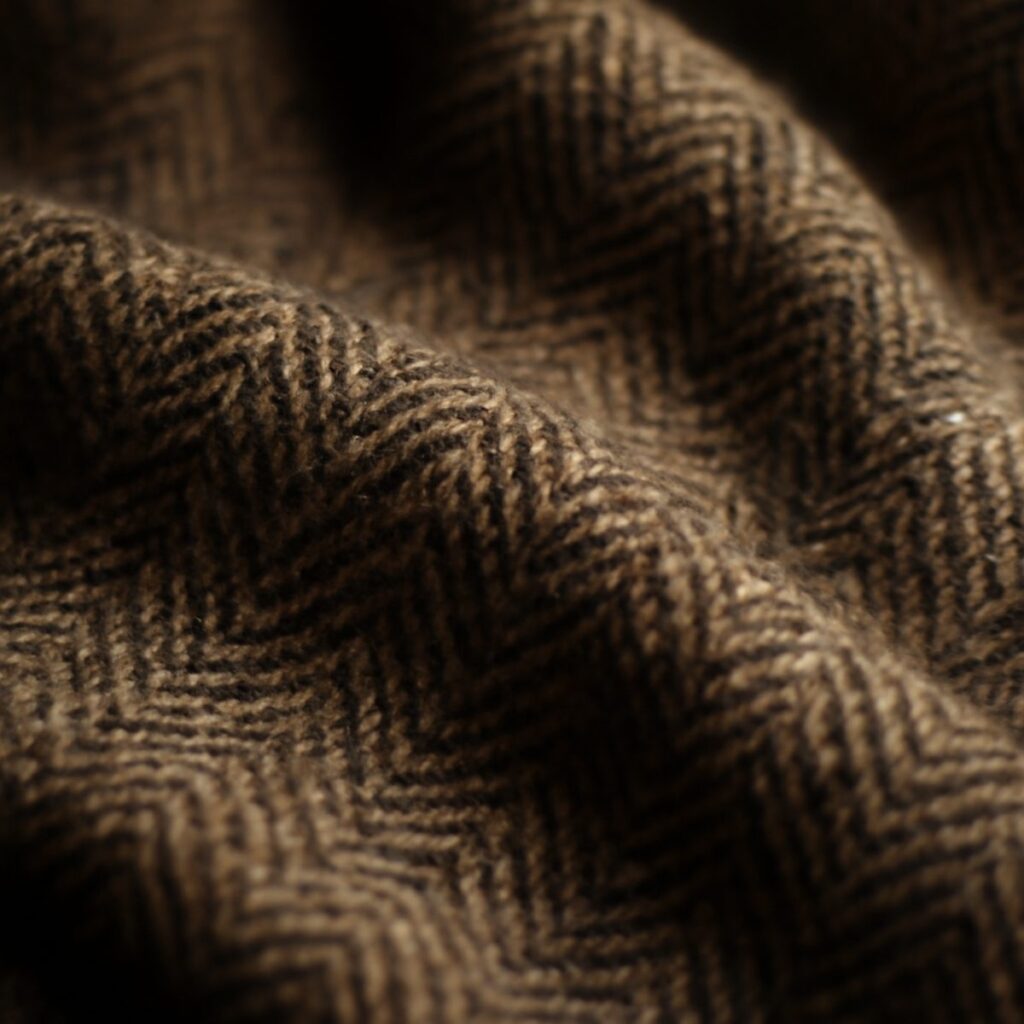
Cloth choice deserves equal consideration alongside colour. A dense, tightly woven melton wool remains the traditional standard and offers genuinely excellent wind and water resistance for a non-technical fabric, a legacy of its original maritime purpose. Lighter alternatives, including wool-cashmere blends or more open weaves, sacrifice some of that weatherproofing in exchange for a coat that packs smaller and suits milder transitional weather considerably better — a reasonable trade for buyers using the coat primarily as considered travel wardrobe rather than genuine daily cold-weather protection.
Longevity and care
A genuine wool duffle, properly cared for, is built for genuine longevity — the coat’s naval origins demanded durability as a baseline requirement, and that engineering has largely carried through into civilian versions. Brushing regularly, storing on a wide hanger rather than folded, and having toggles re-stitched promptly if a loop begins to fray all extend a coat’s working life considerably. Treated this way, a well-chosen duffle or toggle coat earns its place as one of outerwear’s more reliably long-serving investments — practical enough for its original military purpose, and handsome enough to have long since outgrown it. For further outerwear guidance, browse Style & Watches.
Daniel has spent fifteen years arguing that the best watch is the one you never take off.