The Art of the Loden and Alpine Coat
Born in the Alps, built for genuinely harsh weather, the loden coat remains one of tailoring's most quietly effective cold-weather garments even now.
 By Daniel Koh
30 August 2026 · 6 min read
By Daniel Koh
30 August 2026 · 6 min read

Few fabrics carry as specific a sense of place as loden. Woven from a dense, felted wool developed in the Austrian and Bavarian Alps, the cloth was designed by mountain communities to withstand genuinely harsh alpine weather, and the coats cut from it have retained that unmistakable regional character for well over a century, even as they have spread into far more general use.
What Makes Loden Cloth Different
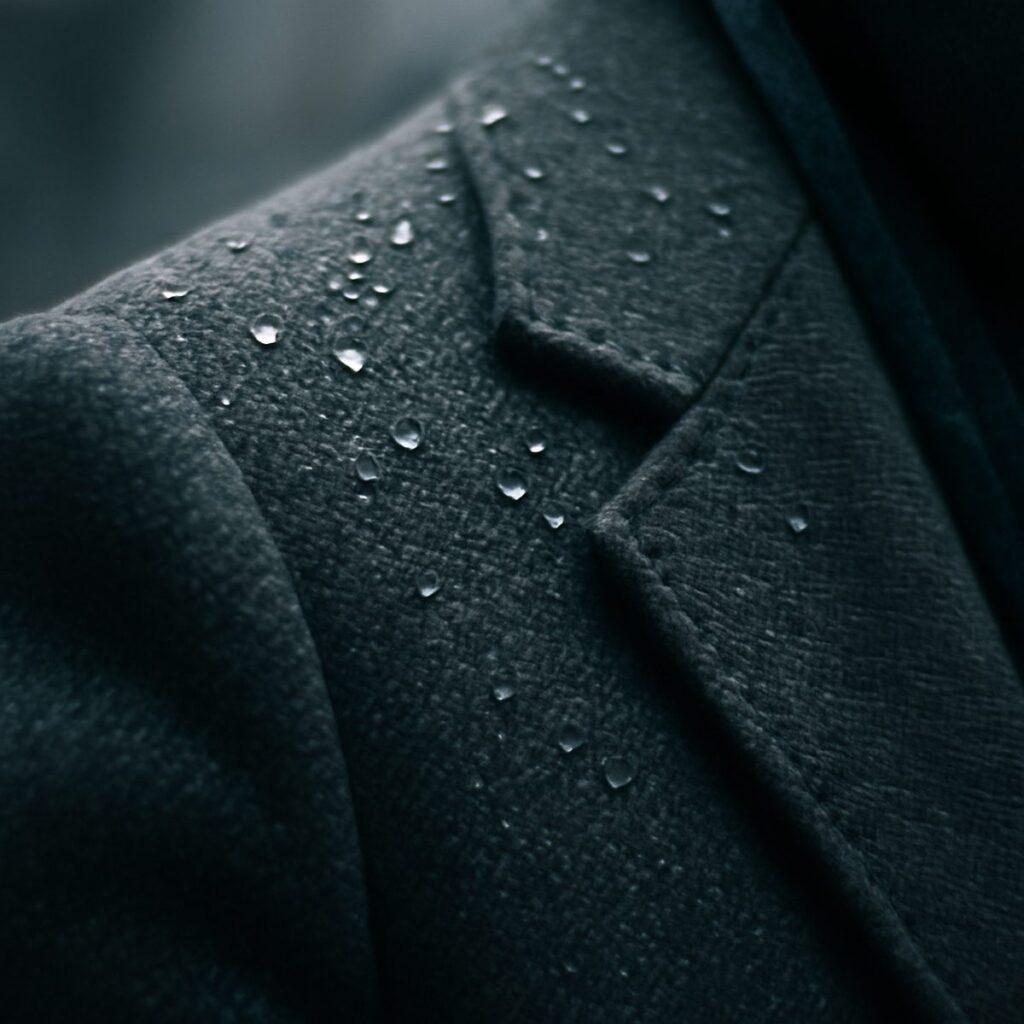
Loden’s defining quality is its density. The wool undergoes a fulling process, in which the woven fabric is agitated with water and heat, causing the fibres to interlock and shrink into a considerably tighter, felted structure than standard woven wool. The resulting cloth is remarkably weather-resistant — naturally water-repellent thanks to the wool’s own lanolin content, wind-resistant thanks to the tight fibre structure, and warm enough to genuinely serve its original purpose without requiring an additional lining in most conditions. This is a fabric engineered by necessity rather than fashion, developed by communities who genuinely needed reliable protection from mountain weather rather than a stylish coat.
The classic loden green — a deep, slightly muted forest tone — became so associated with the fabric that it is now often simply called loden green, though the cloth itself has always been produced in a range of colours. That specific green nonetheless remains the most traditional and recognisable choice, and it is worth considering seriously for anyone buying their first loden piece, since it is the colour the fabric’s entire visual identity was built around.
The Alpine Coat’s Defining Shape
The traditional Alpine coat cut from loden carries several distinctive features beyond the fabric itself. A cape-like back panel, sometimes with a separate button closure, allows for a fuller range of arm movement — genuinely useful for a garment originally worn during physical outdoor activity in mountain terrain, rather than city walking. Horn buttons, traditionally carved from deer or chamois antler, remain a hallmark detail, adding both a rustic visual character and genuine durability compared to more fragile buttons. The coat’s overall silhouette tends towards a relatively fitted waist with a flared skirt below, a shape that has influenced considerably more formal outerwear over the decades even as the loden version has retained its distinctly rural, mountain identity. The cape-like element can also stand on its own as a garment, as our piece on the art of the loden cape explores.
This close relationship between shape and function connects the loden coat to other cold-weather classics built along similarly practical lines. The art of the Ulster coat makes a useful companion piece, since both garments emerged from genuinely harsh weather conditions and share a similar commitment to function over pure decoration, despite their quite different regional origins.
Wearing Loden Today
Contemporary versions of the Alpine coat have moved comfortably between rural and urban settings, retaining the fabric’s essential character while updating proportions for a more tailored, city-appropriate silhouette. The coat pairs particularly well with rugged, textured knitwear and sturdy leather footwear, echoing its outdoor origins even when worn on a city street rather than a mountain trail. It suits genuinely cold, dry conditions best — the fabric’s density delivers real warmth, but it lacks a truly waterproof coating, so sustained heavy rain remains better suited to a dedicated rain shell.
- Choose a fit with room through the shoulders to allow the cape-back panel to function as intended rather than pulling tight.
- Pair with substantial knitwear and sturdy boots to honour the coat’s mountain-wear origins rather than dressing it too formally.
- Avoid dry cleaning too frequently; loden’s natural lanolin content benefits from gentler, less frequent cleaning than standard wool.
- Brush the coat regularly with a stiff natural-bristle brush to maintain the felted surface and lift away any surface dirt before it embeds.
Distinguishing Genuine Loden From Imitations
As with any fabric carrying real heritage value, the market has produced a fair number of coats that borrow loden’s name and general silhouette without the underlying fulled-wool construction that gives the genuine cloth its performance. A true loden coat should feel notably dense and slightly stiff to the touch compared with an ordinary wool coat, with almost no visible weave structure once the fulling process has done its work. Lighter, more loosely woven coats sold under the loden name often lack this density entirely, delivering the look without the fabric’s genuine weather resistance. Buyers serious about the genuine article should seek out mills with an established, documented history of authentic loden production, since the fulling process itself is time-consuming and not easily replicated at lower cost.
Price tends to reflect this distinction fairly reliably, since genuine fulled loden requires more raw wool, more processing time, and generally a heavier fabric weight than a standard woven wool coat of comparable size. A coat priced suspiciously low for its claimed loden construction is worth examining closely before purchase, ideally in person rather than from a photograph alone.
Regional mills in the Alpine foothills that have produced loden cloth for generations remain the benchmark for anyone seeking the genuine article, and a number of these smaller producers still supply fabric to independent tailors rather than large fashion houses, which is worth knowing for buyers who value provenance as much as finished construction.
“You can spot real loden across a room,” one Austrian tailor told us. “The colour, the texture, the way it holds its shape in the wind. Nothing else quite moves the same way.”
A Mountain Fabric With Lasting Appeal
What keeps the loden coat relevant, well over a century after its practical origins, is the same quality that has kept the Ulster and the duffle coat in continuous production: it was built to solve a genuine problem, and it has never needed meaningful redesign to keep solving it. Travellers heading somewhere genuinely cold and mountainous would do well to consider it alongside more purpose-built ski wear, since a good loden coat handles cold-weather travel and evening wear with considerably more elegance than technical outerwear ever manages; the best places for winter snow sports covers the destinations where a coat like this genuinely earns its keep.
For more on the classic pieces of cold-weather tailoring worth owning outright, the wider Style & Watches section covers the full range, loden included among a small group of garments that have simply never needed replacing.
Daniel has spent fifteen years arguing that the best watch is the one you never take off.