The Art of the Gimlet
The gimlet is deceptively simple: gin, lime, sugar. Here is why it remains one of the most exacting cocktails to get right, and how to judge a good one.
 By Renée Tan
30 August 2026 · 6 min read
By Renée Tan
30 August 2026 · 6 min read
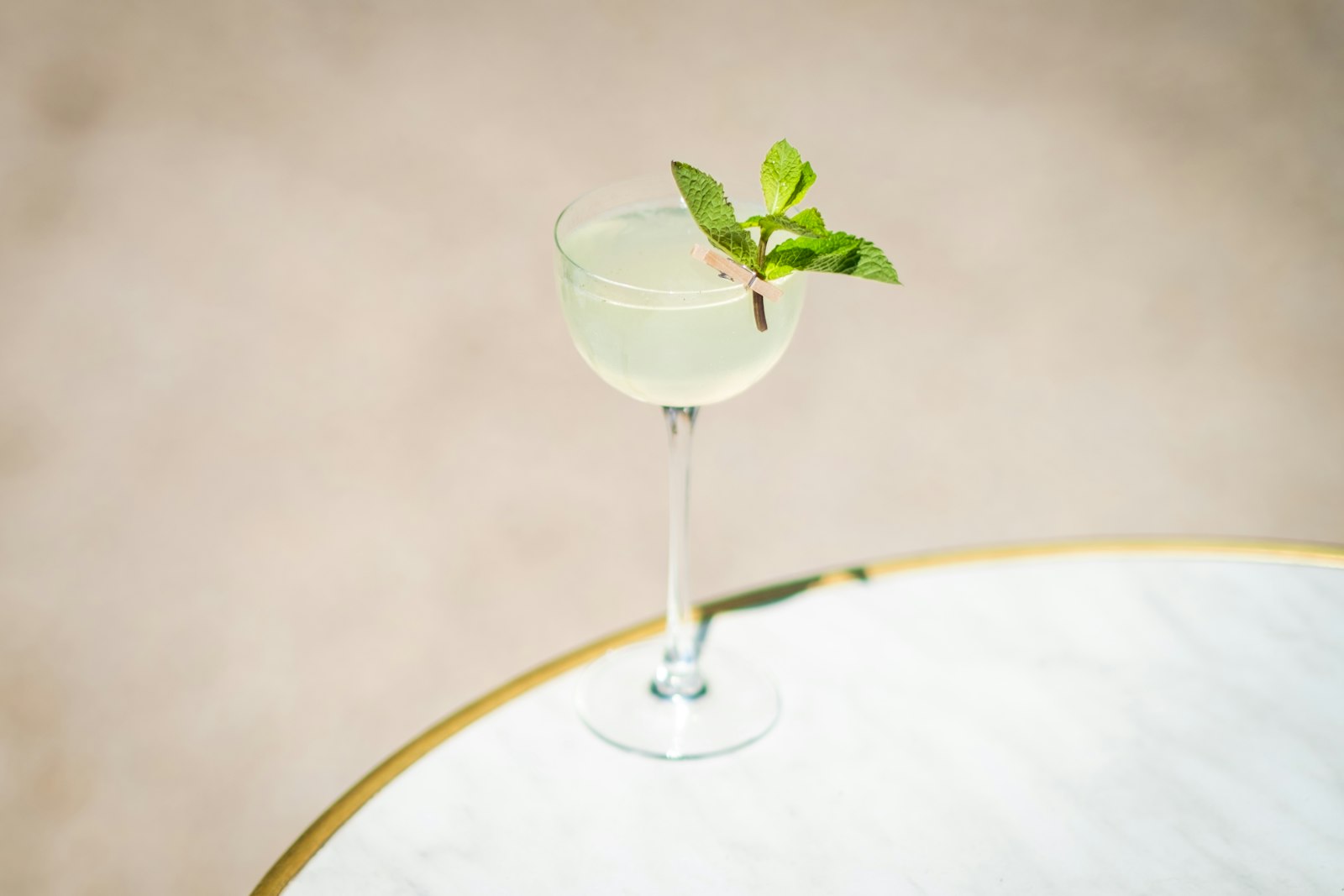
Few cocktails reveal a bartender’s discipline as quickly as the gimlet. There is nowhere to hide in a drink built from just two or three ingredients, and a bar that gets its gimlet right is usually a bar worth trusting with everything else on the menu. At its simplest, the gimlet is gin, lime, and a sweetener, shaken or stirred until properly cold, and served without garnish beyond perhaps a twist. It should be sharp, bracing, and faintly nostalgic, evoking its naval origins even in the most contemporary of settings.
A brief and disputed history
The gimlet’s origin story is bound up with the Royal Navy and the practice of issuing sailors lime cordial to stave off scurvy on long voyages. As the story goes, officers began adding their gin ration to the cordial, and the gimlet was born somewhere between medical necessity and genuine pleasure. Whether the tale is entirely accurate matters less than what it tells us about the drink’s character: something practical that became elegant almost by accident, built from whatever was already on hand rather than designed as a showpiece.
The choice between cordial and fresh lime juice remains the drink’s central debate. A cordial-based gimlet, made with sweetened lime cordial rather than fresh juice, leans rounder and slightly more viscous, closer to the original naval recipe. A fresh-juice version, more common in contemporary bars, is sharper, more citrus-forward, and generally requires a careful hand with sugar syrup to avoid tipping too far into sourness. Neither is more correct than the other, but a good bar should know which version it is making and be able to explain the choice.
What to look for in a well-made one
Temperature and dilution matter enormously in a drink this spare. A gimlet shaken properly should arrive ice-cold with a faint frost on the glass, its dilution just enough to soften the gin’s edges without watering down the lime. Too little shaking and the drink tastes harsh and boozy; too much and it turns thin and forgettable. The best bartenders treat the shake itself as the technical heart of the drink, understanding that with so few ingredients, the mechanics of preparation carry more weight than usual.
Variations worth trying
- A vodka gimlet, for drinkers who want the citrus-forward profile without gin’s botanical complexity
- A gimlet made with a more juniper-forward gin, which stands up well against the tartness of lime
- A gimlet finished with a small amount of elderflower or cucumber, a modern twist some bars use sparingly to soften the drink’s edges
Gin selection and why it matters here
Because the gimlet strips a cocktail down to its essentials, gin selection matters more here than in almost any other classic. A heavily botanical, juniper-forward gin holds its own against the lime’s acidity, while a lighter, more citrus-driven gin can end up tasting one-dimensional once mixed. Many serious bars now offer a choice of gins for their gimlet specifically, treating the drink as a showcase for whichever spirit the bar is proudest of that season. It is worth asking what a bar recommends rather than defaulting to a house well gin, since the difference in the finished drink can be considerable. For a gin drink of a very different, more aromatic kind, the Hanky Panky is worth ordering at a bar that takes its classics seriously.
“The gimlet doesn’t forgive laziness,” one Singapore bar director told us. “Everything you do wrong, the guest tastes immediately.”
Where the gimlet sits among gin’s other classics
The gimlet belongs to a small family of gin cocktails that reward precision over embellishment, a lineage that also includes the more herbaceous aviation, another drink whose reputation rests entirely on balance rather than novelty. For those looking to build a home bar capable of doing both justice, our guide to craft cocktail ingredients worth stocking is a sensible starting point, covering the syrups, bitters, and citrus tools that separate a competent home bar from a genuinely good one.
Anyone assembling a proper home setup should also consider the space itself; our piece on building a considered home bar room covers the practical side of glassware, ice, and storage that makes cocktails like the gimlet easier to execute consistently. And for a broader survey of where Singapore’s most serious drinking rooms are found, our Dining & Drinks coverage runs a wider guide to the city’s bar scene, much of which treats classics like the gimlet as a genuine measure of a bartender’s skill.
Making one at home
A reliable home version starts with two ounces of gin, three-quarters of an ounce of fresh lime juice, and half an ounce of simple syrup, shaken hard with ice for around twelve seconds and strained into a chilled coupe. Adjust the syrup slightly depending on your gin’s proof and your lime’s sharpness; the goal is balance, not a fixed ratio. A wide, thin twist of lime peel expressed over the glass, rather than dropped in, adds aromatic lift without diluting the drink further.
Serving temperature and glassware
A gimlet loses its purpose quickly once it warms, so glassware choice is not merely decorative. A pre-chilled coupe or Nick and Nora glass holds the cold far longer than a standard rocks glass, and several bars now chill their glassware in a dedicated freezer specifically for drinks like this, where there is no ice in the final serve to keep things cold. Ordering a gimlet at a bar that serves it lukewarm, in a room-temperature glass, is one of the fastest ways to judge that a kitchen or bar programme is not paying attention to the fundamentals, regardless of how impressive its menu looks on paper.
Some bars in Singapore have also begun experimenting with barrel-ageing a pre-batched gimlet mix, softening its edges over weeks in small oak casks before service. The result trades some of the drink’s sharpness for a rounder, faintly vanilla-tinged character, closer in spirit to a sipping cocktail than a bracing aperitif. It is not a traditional approach, but it speaks to how seriously contemporary bartenders are willing to treat even the most minimal of classics, refusing to let simplicity become an excuse for carelessness.
Final word
The gimlet’s enduring appeal lies precisely in how little there is to distract from execution. There is no elaborate garnish to admire, no smoke or theatre at the table, just gin, lime, and a bartender’s hand. Ordering one is, in its own quiet way, one of the more reliable ways to judge whether a bar deserves your trust with everything else on its list, and a drink worth returning to again and again precisely because it never stops rewarding close attention.
Renée has covered Singapore's restaurants for over a decade, with a soft spot for the kitchens most people walk past.