The Art of the Aviation Cocktail
Gin, maraschino, lemon and a whisper of violet: the Aviation is one of cocktail history's quiet masterpieces, and one of the hardest to get right.
 By Renée Tan
30 August 2026 · 5 min read
By Renée Tan
30 August 2026 · 5 min read
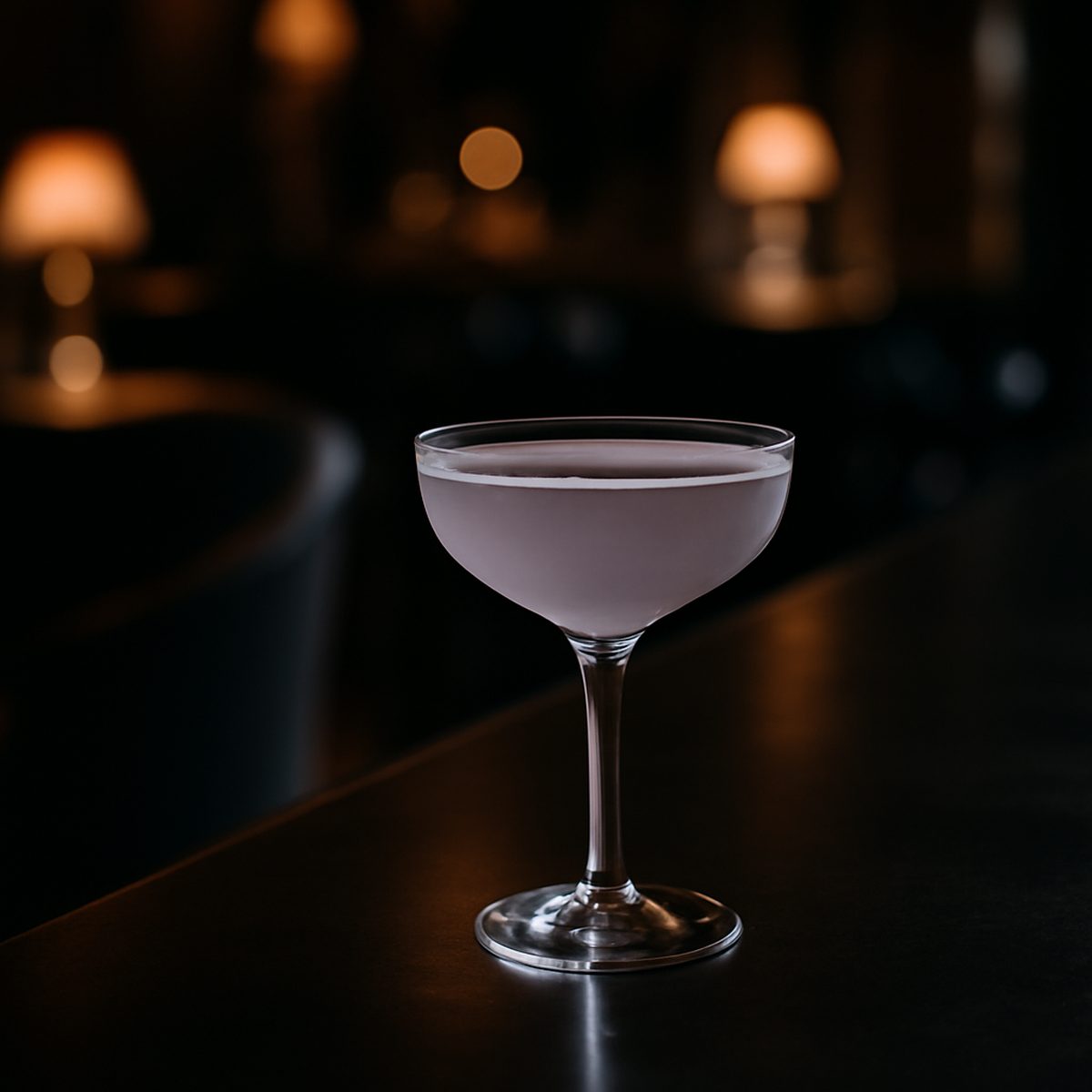
Of all the drinks that survived Prohibition-era America into the modern cocktail revival, the Aviation is among the most quietly demanding. On paper it looks simple: gin, maraschino liqueur, lemon juice, and a small measure of crème de violette to give the drink its faint, pale violet cast. In practice, getting the balance right — enough violette to colour the drink without turning it into something closer to a floral syrup — is a small art of its own, and a fair test of a bar’s discipline.
A Short History Worth Knowing
The Aviation first appeared in print in the 1910s, credited to a New York bartender working at the tail end of the golden cocktail age before Prohibition shut the city’s bars down. Crème de violette fell out of production for much of the twentieth century, which meant the drink was made for decades without it — gin, maraschino and lemon only, pale gold rather than violet. It was only with the liqueur’s reintroduction in the 2000s that bartenders rediscovered the original recipe, and the drink’s proper colour, all at once. Knowing this history changes how you read the drink: the violette is not a garnish or an afterthought but the ingredient that gives the Aviation its name, evoking a hazy sky at altitude. There is a certain pleasure, too, in ordering a drink whose recipe genuinely disappeared and was later reconstructed, rather than one that simply fell in and out of fashion. Few classic cocktails carry quite that same story of near-total loss and quiet rediscovery, which is part of what makes the Aviation such a satisfying order for anyone with an interest in cocktail history rather than simply a taste for gin.
Getting the Balance Right
The two ingredients most likely to be overused are crème de violette and maraschino, and either mistake ruins the drink in a different way. Too much violette and the cocktail turns cloying and soap-like; too much maraschino and it tips into cherry cordial territory, losing the gin entirely. The better bars we return to keep the violette to a bare few drops — enough to tint the drink, not season it — and let a London dry gin’s juniper and citrus notes carry most of the weight. A hard, well-chilled shake and a fine strain matter more here than in most cocktails, since the drink is served up with nowhere for a rough edge to hide.
- Ask for a gin-forward pour — the classic ratio favours gin roughly two to three times any other single ingredient
- Crème de violette should tint, not dominate; a heavy-handed pour is the most common fault
- Served up in a chilled coupe, with a lemon twist rather than a wedge
Where the Craft Shows
A bartender’s handling of the Aviation is a reasonably reliable proxy for how seriously a bar takes its classics more broadly. It is not a drink that can be rescued with a clever garnish or an unusual base spirit; it lives or dies on measurement and technique. For a wider look at the city’s serious cocktail culture, the return of the classic cocktail bar traces how Singapore’s bar scene has rediscovered pre-Prohibition drinks like this one, while the art of the martini covers the other great test of a gin-forward bar’s discipline.
Common Mistakes Worth Avoiding
Beyond the violette-to-maraschino balance, a handful of smaller errors show up often enough to be worth naming directly. Using bottled lemon juice instead of fresh will flatten the drink’s brightness almost immediately, since the acidity in pre-bottled juice degrades and turns slightly bitter within days of opening. Under-chilling is another common fault — the Aviation is served up, with no ice to compensate for a lukewarm shake, so any warmth in the finished drink is immediately obvious and unforgiving. Finally, a garnish that overwhelms the glass, such as a large twist or an unnecessary cherry, distracts from what should be a clean, understated presentation built around the drink’s pale, distinctive colour rather than around decoration.
Choosing Your Gin
A classic London dry gin, with its clean juniper backbone, tends to suit the Aviation better than a heavily botanical or citrus-forward modern gin, which can crowd out the maraschino and violette. For those curious to taste their way through the category before committing to a house gin at home, the distilleries and gin worth knowing is a useful starting point, covering both long-established houses and newer producers worth seeking out.
“People assume it’s a delicate drink because of the colour,” one Singapore bartender told us, measuring violette in careful drops rather than a free pour. “It’s actually one of the least forgiving cocktails we make. Every ingredient is doing real work.”
An Aperitif with a Longer Lineage
The Aviation belongs to a broader family of gin-and-liqueur classics that rewards patience rather than novelty — drinks built for slow sipping rather than quick consumption. Anyone drawn to this style of considered, ingredient-led drinking will also find plenty to explore in aperitifs and vermouth, which sit at the other end of the same tradition of restraint and balance. For the wider landscape of where Singapore’s most interesting bars and kitchens are heading, our Dining & Drinks section is worth returning to.
The Aviation will never be the flashiest drink on a cocktail list, and that is rather the point. It asks for good ingredients, careful measurement, and a bartender willing to resist the temptation to overdo the one component that makes the drink distinctive. It is also, quietly, one of the better drinks to order as a first test of an unfamiliar bar — a menu that lists it correctly, with crème de violette named rather than omitted, usually signals a team that has thought seriously about its cocktail programme rather than defaulting to the same handful of familiar names. Order it at a bar that takes its classics seriously, and you will taste the difference in the first sip — a drink that looks delicate and drinks with real conviction.
Renée has covered Singapore's restaurants for over a decade, with a soft spot for the kitchens most people walk past.