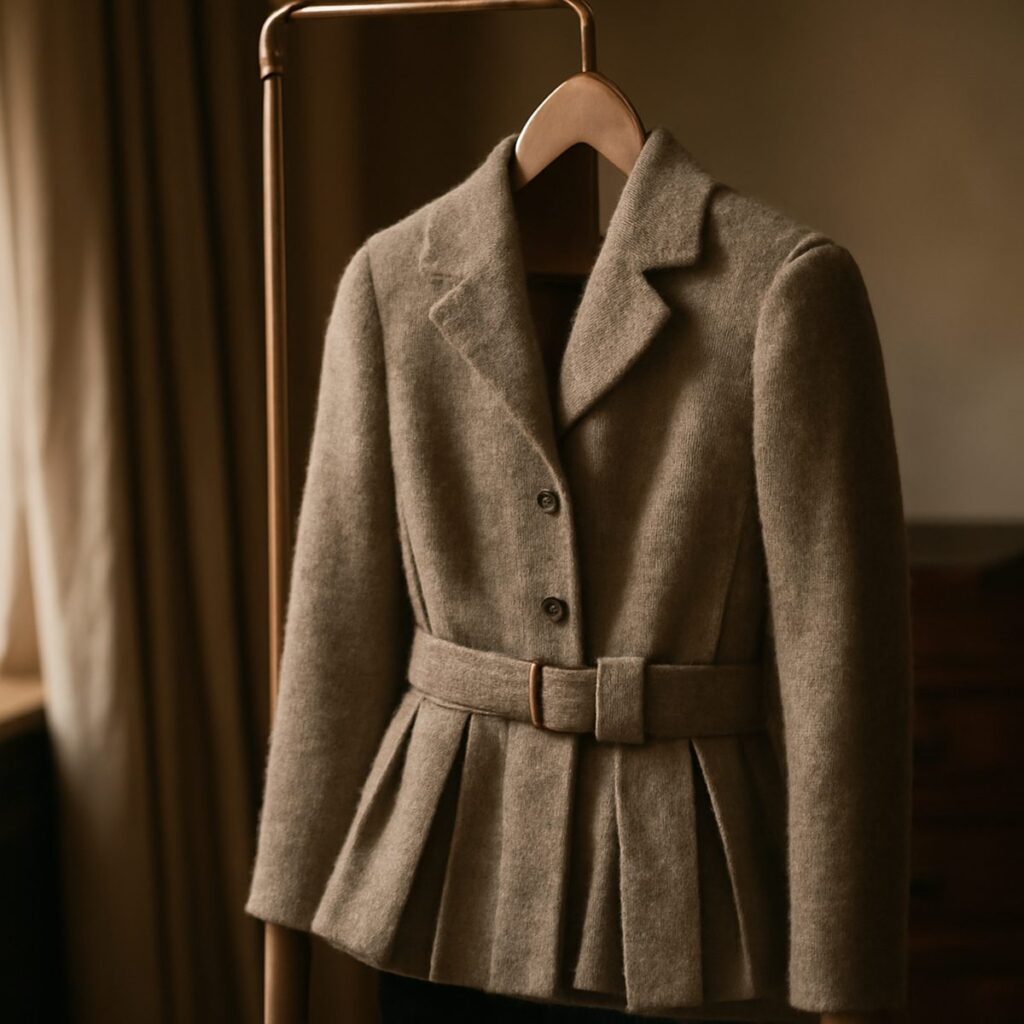
The Art of the Field Coat, Reconsidered
A good field coat still does the job it was built for: real pockets, a collar that stands in wind, and a shape that only improves with age and wear.
 By Daniel Koh
31 August 2026 · 6 min read
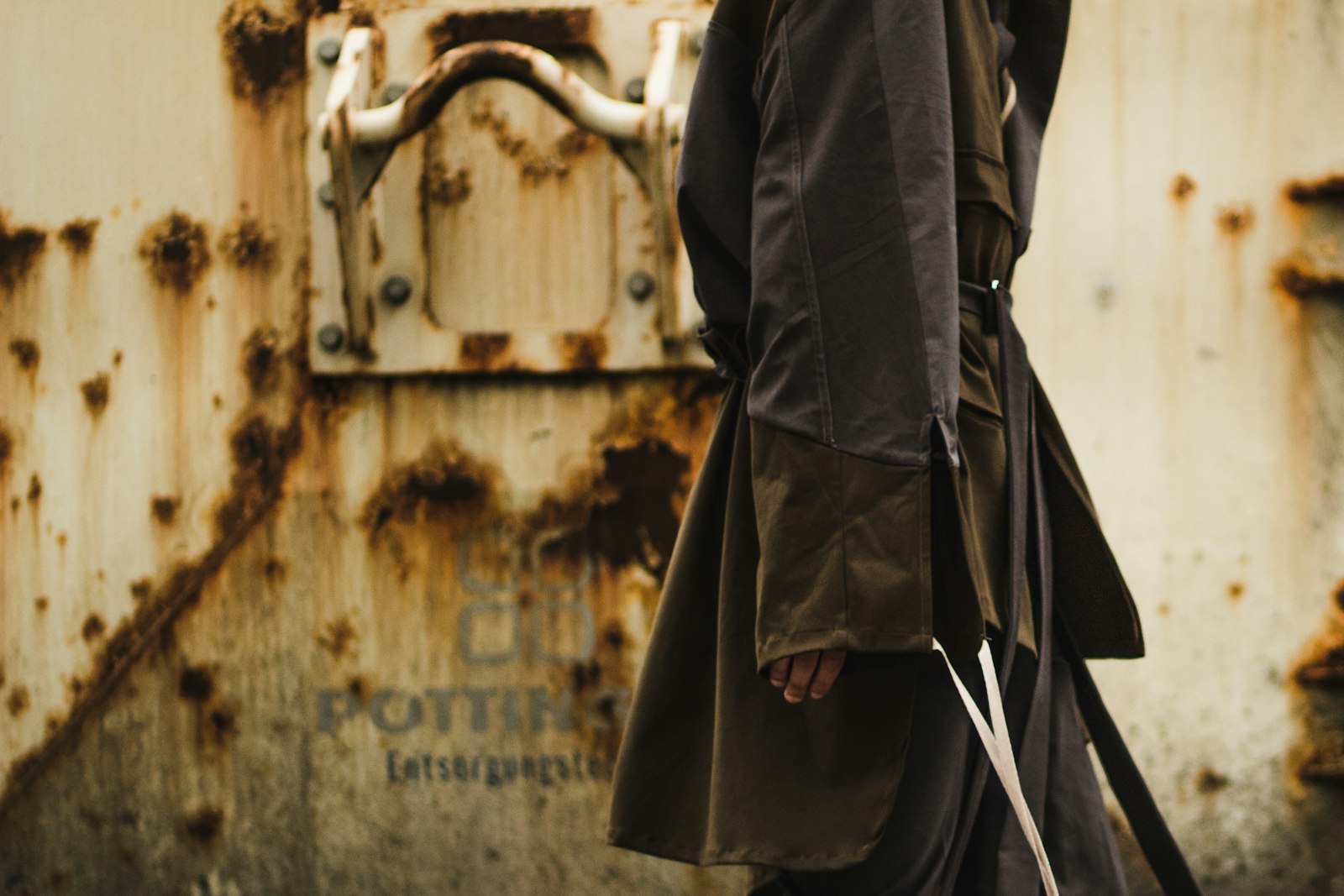
The field coat has always had an uneasy relationship with luxury. Born from military and hunting necessity — deep pockets for cartridges or maps, a stand-up collar to keep out wind, a cut generous enough to move freely in — it was never designed with elegance in mind, only function. And yet somewhere in the last decade it has quietly become one of the more considered pieces a well-dressed man can own, provided he understands why it worked in the first place and resists the temptation to over-refine it into something it isn’t.
What made the original work
Strip a good field coat back to its essentials and the appeal is almost entirely structural rather than decorative. A functioning storm collar. Bellows pockets that expand to actually hold something rather than merely suggest storage. A back vent or action pleat that allows the shoulders to move without pulling the whole garment out of shape. None of this was designed to look a particular way; it was designed to do a particular job, in weather that didn’t care how the wearer looked while doing it.
That honesty is precisely what makes the coat worth revisiting now, in an era where so much outerwear photographs well and performs poorly. A field coat cut by someone who understands the original brief — rather than someone borrowing its silhouette for a single season’s collection — still has genuinely useful pockets, still moves with the body, and still keeps out a proper gust of wind. The aesthetic, when it’s good, is a by-product of the function rather than the point of the exercise.
Where it sits today
The considered version of a field coat now sits somewhere between country garment and city layer — heavier, more structured waxed cotton or dense cavalry twill rather than the thin cotton drill of the original military pattern, cut with slightly more shape through the waist without losing the room needed to layer a jumper underneath. It reads as purposeful rather than costume-like, which is the fine line the best modern versions manage to walk.
Colour has shifted too, gently. Olive and khaki remain the obvious, most historically accurate choices, but a well-cut field coat in a deep, muted navy or a warm stone colour reads as considerably more versatile against a city wardrobe, pairing as comfortably with tailored trousers as with denim, without insisting on either.
What to look for when buying one
- Genuine bellows pockets, not flat patch pockets dressed up with a decorative flap — the expandable construction is most of the point.
- A collar that actually stands and stays up in wind, tested rather than assumed from the hanger.
- Room through the shoulder and upper back for a jumper or light layer beneath, without the coat reading as oversized when worn alone.
- A weight of fabric suited to your actual climate — a heavy waxed cotton built for a British autumn will be genuinely uncomfortable in Singapore’s humidity for more than an evening.
Readers building a wider outerwear wardrobe should also consider our guides to the enduring style of the chore jacket and the enduring style of the safari jacket, both of which share the field coat’s utilitarian ancestry while solving for a slightly different climate and occasion. For a broader look at how considered outerwear fabric choices hold up over years of wear, the best tweed and country jackets is a useful companion read.
“A field coat should look like it’s been somewhere — if it still looks brand new after a year, you’ve bought the wrong one, or you’ve barely worn it,” a bespoke outerwear maker told us, running a hand over the worn shoulder seam of his own well-used sample.
Wearing it well in a warm climate
For readers in Singapore and similarly humid climates, the field coat’s usual heft is genuinely impractical for most of the year, and the honest answer is to treat it as an occasional-wear piece — evenings with air-conditioning, cooler-season travel, an overnight trip somewhere with a genuine chill in the air — rather than a daily-wear staple the way it might function in a temperate climate. A lighter-weight version in a fine cotton twill, without the wax finish, offers a reasonable year-round compromise, trading some weather resistance for a garment that doesn’t feel absurd worn to dinner on a warm evening.
What should not change, regardless of climate, is the insistence on proper construction underneath the silhouette. A field coat that gets the shape right but skips the functional pocket construction, the collar stiffening, or the room through the shoulder has missed the entire point of the garment — it has become costume rather than clothing, borrowing the look of utility without any of the substance that made the original worth remembering in the first place.
A coat that rewards patience
Like most genuinely useful garments, a good field coat improves with age rather than merely enduring it — the fabric softening, the colour fading unevenly in a way that flatters rather than dates it, the pockets settling into the shape of whatever you habitually carry. Buying one well means accepting a slower payoff than a piece bought purely for how it photographs on day one.
Styling it without overthinking it
The field coat’s utilitarian roots make it more forgiving than most tailored outerwear when it comes to what sits underneath. A simple crewneck jumper, a plain oxford shirt, even a well-cut t-shirt on a warmer evening all work without friction, because the coat itself carries enough visual interest — the collar, the pocket construction, the slightly worn hardware — that the rest of the outfit can stay genuinely simple. This is, in fact, one of the more useful things about owning one well: it removes a certain amount of daily decision-making rather than adding to it.
Where the coat can go wrong is in over-accessorising around it — piling on additional utility pieces, heavy boots, a canvas bag, until the whole look tips from considered into costume. The better approach, almost always, is restraint: let the coat do the work it was built to do, and keep everything else quiet enough that the garment’s own history and construction remain the most interesting thing in the room.
For a broader survey of the garments worth that kind of patience, our full Style & Watches section covers considered menswear across the full range of seasons and occasions.
Daniel has spent fifteen years arguing that the best watch is the one you never take off.