The Enduring Style of the Chore Jacket
The chore jacket carries its workwear origins openly, and that honesty is exactly why it has translated so well into a considered modern wardrobe.
 By Daniel Koh
30 August 2026 · 6 min read
By Daniel Koh
30 August 2026 · 6 min read
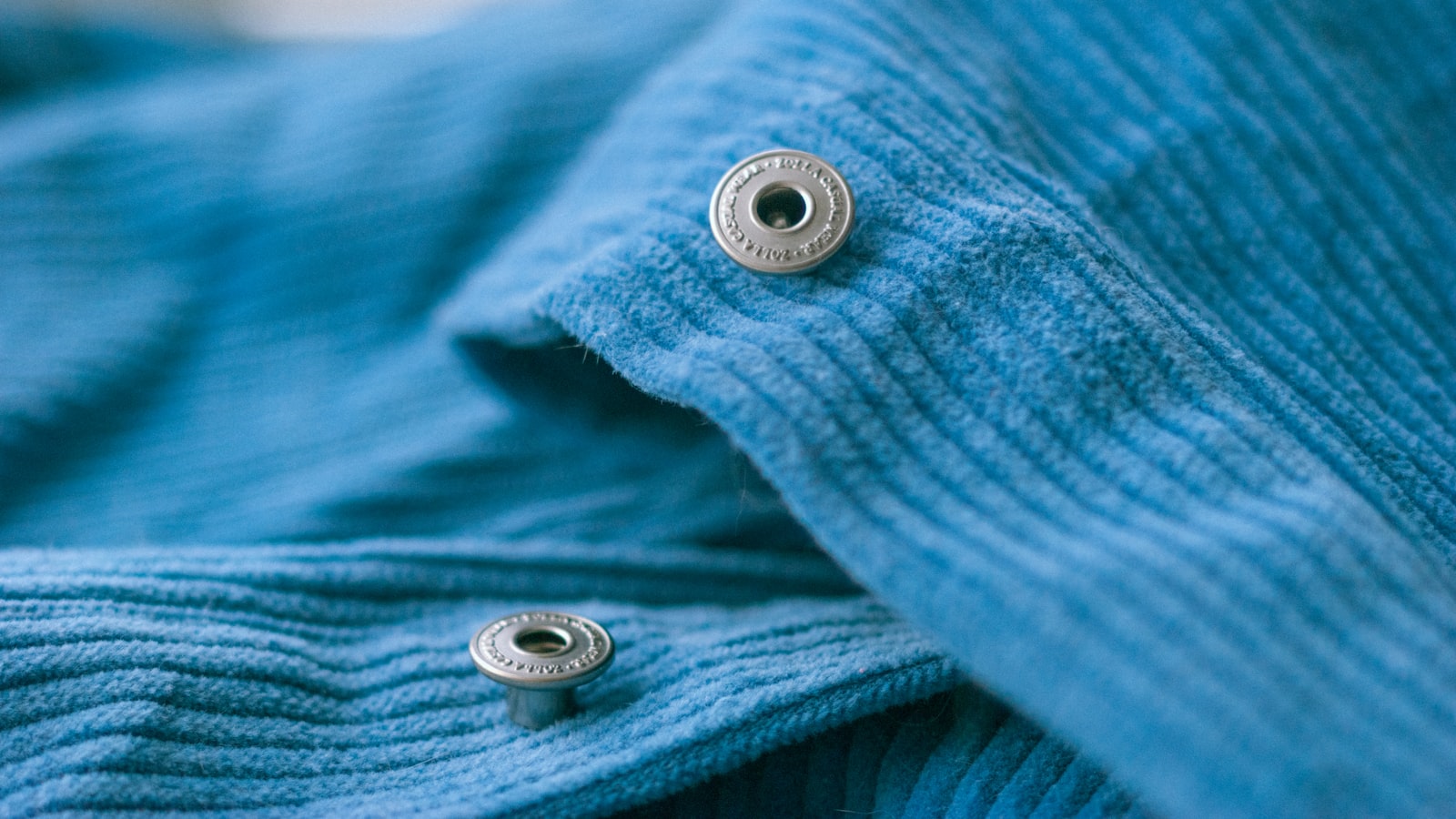
Few garments wear their history quite as openly as the chore jacket. Originally developed in nineteenth-century France as durable, affordable workwear — a boxy, hard-wearing cotton canvas or twill jacket cut generously enough to move freely in — it was adopted by railway workers, painters, and labourers across Europe for its combination of durability and practicality. That the same silhouette now hangs in considered wardrobes far removed from any manual labour is, in its way, a testament to how well the original design solved a genuine problem: a jacket that protects, layers easily, and simply lasts.
Unlike garments that began formal and were later dressed down, the chore jacket has always been unpretentious, and that honesty is precisely what has kept it relevant across nearly a century and a half of shifting fashion.
What defines the silhouette
A traditional chore jacket sits close to hip length, cut boxy and generous through the shoulders and chest to allow freedom of movement, with a straight hem rather than the tapered waist of more tailored outerwear. Patch pockets — typically two at the chest and two lower down — are a defining feature, historically sized to hold tools and small equipment, now simply useful for the same reasons they always were. Button closures, usually in a simple corozo or metal finish, run the full length of the front rather than relying on a zip.
- Heavy cotton canvas, twill, or duck cloth — durable fabrics originally chosen for resistance to wear and tearing.
- A boxy, straight-hemmed cut, distinct from the tapered waist of more tailored jacket styles.
- Patch pockets, generally four in total, positioned for genuine practical use rather than decoration.
- Simple button closures rather than zips, in keeping with the garment’s utilitarian origins.
Fabric and how it ages
Part of the chore jacket’s enduring appeal lies in how visibly it ages. Raw or lightly treated cotton canvas fades and softens with wear in a way that tells the story of how often the jacket has actually been worn — a quality shared with raw denim, and one that rewards owners who wear a single jacket heavily rather than rotating between several. This characteristic fading is worth understanding properly before buying; how to break in and care for denim covers similar principles that apply almost identically to raw cotton canvas chore jackets.
Styling it into a considered wardrobe
The chore jacket layers naturally over a t-shirt or light knit for casual wear, and increasingly over a shirt and tie for a more considered, workwear-inflected take on smart-casual dressing — a combination that has become a genuine signature look for a certain kind of considered, unfussy dresser. It pairs particularly well with the overshirt as a related layering piece; the art of the overshirt covers the distinction between the two garments in more depth, useful for anyone deciding which to add to a wardrobe first.
“A good chore jacket should look better after five years of hard wear than it did new,” one workwear specialist told us. “That’s the entire point of the design — it was never meant to look pristine.”
Colour and fabric choices
Indigo-dyed cotton remains the most iconic chore jacket colouring, tracing directly back to its French workwear origins, though the category now spans a considerably wider range of colours and weights, from heavy waxed canvas suited to outdoor use to lighter cotton twill more appropriate for warmer climates. For Singapore’s year-round humidity, a lighter-weight cotton or linen-blend chore jacket generally proves more practical for regular wear than the heavier waxed canvas versions favoured in colder climates.
How it compares to similar layering pieces
The chore jacket sits within a broader family of workwear-derived layering pieces that have found their way into considered wardrobes in recent years, including the field jacket and the denim jacket, both covered in more depth elsewhere on this site. The art of the field jacket makes a useful comparison point, carrying a slightly different balance of formality and utility than the chore jacket’s particular blend of the two.
The jacket’s spread beyond France
Though its origins are specifically French, the same basic silhouette was independently developed in several other working-class contexts across Europe and North America through the early twentieth century — American painters’ jackets, British engineers’ coats, and various regional workwear traditions all converged on remarkably similar solutions to the same basic problem, suggesting the boxy, patch-pocketed silhouette was less a single French invention than a logical, near-inevitable answer to what manual labour genuinely required from a jacket. This convergent history is part of why the chore jacket now reads as a kind of universal workwear archetype rather than a garment tied to one specific national tradition, which has helped its adoption feel natural across such a wide range of contemporary wardrobes and cultural contexts.
Vintage examples from this earlier era, when they surface through specialist dealers, are prized specifically for the fading and repair patches accumulated over decades of genuine working use — a patina that no amount of deliberate distressing on a new garment can convincingly replicate.
Choosing your first one
For a first chore jacket, a mid-weight indigo or navy cotton twill offers the most versatile starting point, working comfortably across the widest range of existing wardrobe pieces before expanding into heavier canvas or more distinctive colours. Sizing should lean toward the garment’s original intent — roomy enough to layer a jumper or shirt comfortably underneath, rather than fitted close to the body in the manner of more contemporary tailored outerwear. A jacket that fits too closely loses much of what made the original workwear silhouette function so well in the first place.
A garment built to be used
The chore jacket asks for nothing more than honest, regular wear, and rewards it generously — softening, fading, and taking on genuine character in a way few other garments manage quite so gracefully. For a piece that began as disposable workwear for nineteenth-century labourers, its survival into considered modern wardrobes across the world is a genuinely rare kind of design longevity. For more on building a wardrobe around pieces designed to last and improve with wear, building a ten-piece capsule wardrobe and the wider Black Cow style and watches section are worth reading alongside this guide.
Daniel has spent fifteen years arguing that the best watch is the one you never take off.