In Search of the Best Wanton Mee
Few dishes provoke stronger opinions than wanton mee. We went looking for the version that gets every element — noodle, sauce, char siu — right at once.
 By Renée Tan
29 August 2026 · 7 min read
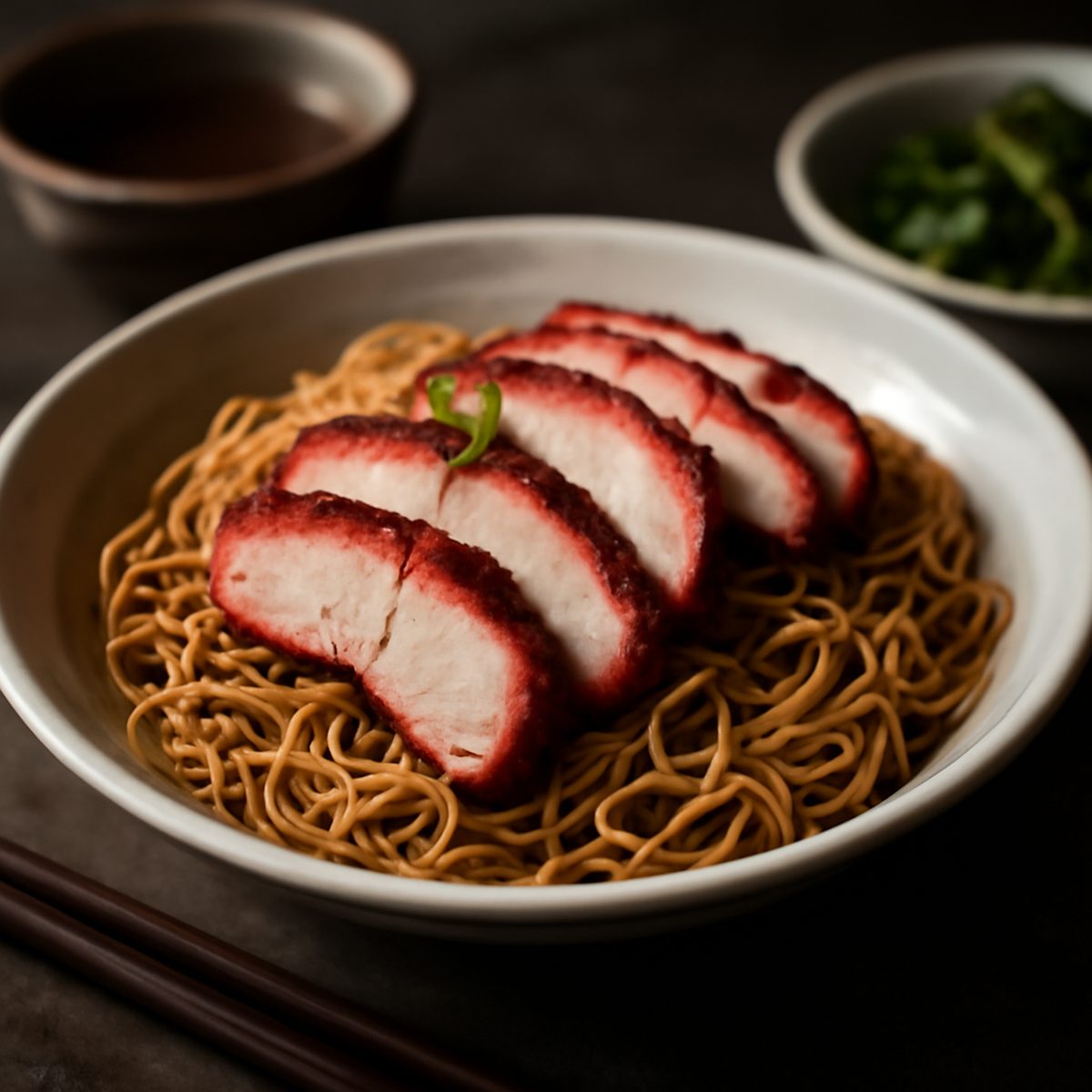
Ask ten Singaporeans where to find the best bowl of wanton mee and you will get eleven answers, most delivered with the conviction of someone defending a family recipe. This is, in its way, the point. Wanton mee is not a dish that announces itself with complexity — a nest of thin egg noodles, a few slices of char siu, a scattering of dumplings, a spoonful of sauce — but it is precisely this simplicity that makes it so unforgiving. There is nowhere for a mediocre stall to hide.
The dish arrived in Singapore with Cantonese migrants and has since drifted a considerable distance from its origins, absorbing local habits along the way — a darker, sweeter sauce here, a chilli-forward version there, a wet soup rendition that some purists consider almost a different dish entirely. What has stayed constant is the standard by which it is judged: noodle, sauce and char siu each has to be right, and each has to be right in relation to the other two.
The noodle is not negotiable
A good wanton mee noodle is thin, springy, and very slightly alkaline on the finish — a quality that comes from the kansui in the dough, which also gives the noodle its faint yellow cast. It should never taste raw or floury, and it should hold its bite for the full duration of the bowl rather than going soft the moment sauce touches it. This means the noodle has to be blanched quickly, in small batches, and tossed almost immediately. Stalls that pre-blanch large quantities for speed are, more often than not, giving something away in texture.
The best stalls understand that the noodle is doing more work than it appears to. It has to carry the sauce without drowning in it, and it has to provide enough structural contrast to the soft char siu and the yielding dumpling. A noodle cooked a touch too soft collapses the whole architecture of the bowl.
What the sauce is actually doing
- A base of dark and light soy, balanced against a touch of sugar and, in the better versions, a spoonful of the fat rendered from the char siu itself.
- Lard, traditionally, though a growing number of kitchens now offer a version without it — worth asking for if this matters to your table.
- A thread of chilli, added at the table rather than tossed through, so each diner can calibrate their own heat.
- Enough sauce to coat, never enough to pool at the bottom of the bowl.
The char siu, meanwhile, separates the serious operations from the merely competent. It should carry a proper char at the edges — real caramelisation from a live flame, not just colour from a marinade — while staying tender enough to cut with the side of a spoon. Fat content matters enormously here; a char siu trimmed too lean loses the sweetness that renders during roasting and reads dry against the noodle.
Wet, dry, and the case for both
The dry version — noodles tossed in sauce, soup served on the side in a small bowl with a wanton or two floating in it — is generally considered the more disciplined order, since it allows the sauce and noodle to be judged on their own terms. But the wet version, where everything sits together in broth, has its own considerable pleasures, particularly when the soup itself has been built from pork bones and dried flatfish over many hours rather than reduced to a quick stock. A stall confident enough to offer both, and to make both properly, is usually a stall worth returning to.
This same attentiveness to broth and stock work runs through much of Singapore’s noodle culture more broadly — it is worth reading alongside a look at the search for Singapore’s best laksa, another dish where the difference between good and exceptional is almost entirely a matter of how seriously the base has been treated.
Where the city is getting it right
A handful of composite addresses stand out for doing all three elements — noodle, sauce, char siu — at a consistently high level. A modest coffee-shop stall in a mature eastern estate, run by a second-generation hawker who still hand-chops the char siu to order rather than pre-slicing a batch each morning, produces a bowl with a sauce that is savoury before it is sweet, a rare balance in a dish that too often leans cloying. A newer, more design-conscious operation near the city fringe has built something of a following for a version finished with a spoonful of scallion oil, a modern touch that purists debate but which noticeably lifts the aroma of the bowl.
“The sauce is where most stalls give themselves away,” a longtime hawker centre regular told us. “Too sweet, and you know they’re covering for something else.”
For a table wanting to understand the dish in its wider hawker context, it sits comfortably alongside a broader look at the hawker stalls worth queuing for this year, and a bowl travels well as part of a longer crawl that might also take in the best char kway teow and a stop at one of the zi char stalls worth seeking out for a heartier finish to the evening.
Ordering like you mean it
Ask for the dry version first if you are new to a stall; it is the clearest window into how seriously the kitchen treats its sauce and noodle. Add chilli sparingly and taste before adjusting. And do not be shy about ordering an extra plate of char siu on the side — the best stalls are rarely precious about it, and it tells you something to see the meat on its own, away from the noodle that usually does some of the flattering.
Wanton mee will likely never carry the international cachet of laksa or chilli crab, and that is, in its own way, exactly right. It remains a dish cooked mostly for the neighbourhood rather than for visitors, judged by regulars who will simply stop coming if a stall gets lazy. That accountability, more than any single technique, is what keeps the city’s best bowls honest, and it is worth exploring more of that hawker discipline across our wider Dining & Drinks coverage.
Frequently asked questions
What makes a really good bowl of wanton mee?
Three elements must each be right and balanced together: springy, slightly alkaline noodles blanched to order; a sauce that coats rather than pools and tastes savoury before sweet; and char siu with genuine caramelised edges and enough fat to stay tender. A weakness in any one of them undermines the whole bowl.
Should you order wanton mee dry or soup?
Order it dry first at an unfamiliar stall, because noodles tossed in sauce with soup on the side reveal most clearly how good the noodle and sauce are. The soup version has its own pleasures when the broth is properly made from pork bones and dried flatfish, so try both once a stall earns your trust.
Why are wanton mee noodles yellow and springy?
The dough contains kansui, an alkaline solution that gives the noodles their springy bite, faint yellow colour and slightly alkaline finish. Good stalls blanch them quickly in small batches and toss them immediately, so they hold their texture through the whole bowl. Noodles pre-blanched in bulk for speed usually turn soft.
Does wanton mee in Singapore contain lard?
Traditionally yes. The sauce often includes lard or fat rendered from the char siu, which adds richness and aroma. A growing number of stalls now offer a version without lard, so ask when ordering if you avoid it. Lard-free versions often lean more on sesame oil or scallion oil.
How is Singapore wanton mee different from the Hong Kong version?
Hong Kong wanton noodles are usually served in a clear broth with shrimp wontons and little or no char siu. Singapore’s version, brought by Cantonese migrants, has evolved into a typically dry dish tossed in a darker, often sweeter soy-based sauce with chilli and sliced char siu, with soup served on the side.
Renée has covered Singapore's restaurants for over a decade, with a soft spot for the kitchens most people walk past.