A Guide to the Villages of the Cinque Terre
Five pastel villages stacked against the Ligurian cliffs, joined by footpaths and a coastal railway. A guide to seeing the Cinque Terre slowly, and well.
 By Marcus Lim
1 September 2026 · 6 min read
By Marcus Lim
1 September 2026 · 6 min read
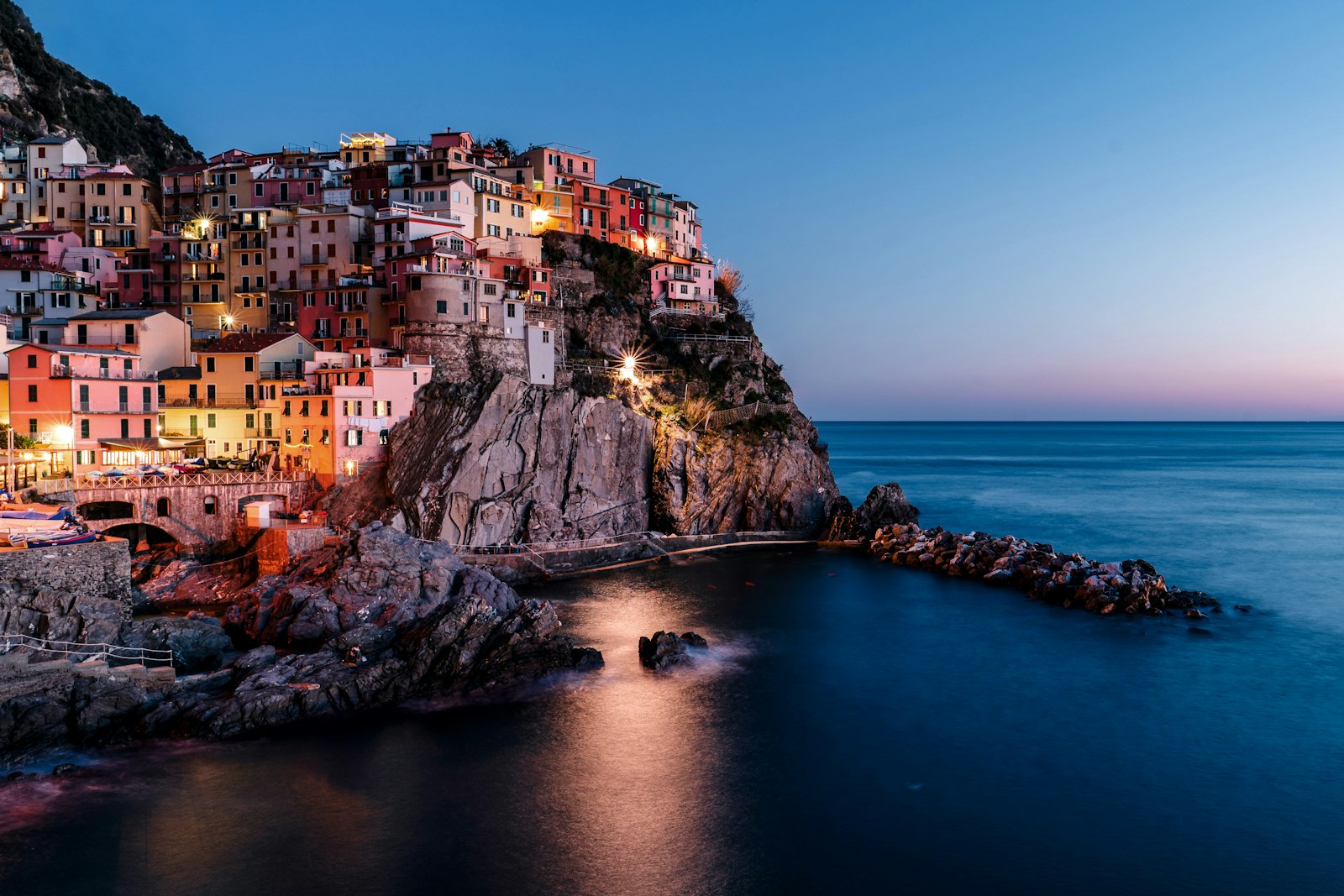
Few stretches of coast are as instantly recognisable as this one: five small villages, each a tumble of pastel houses stacked improbably against the cliffs of the Italian Riviera, joined by footpaths, a coastal railway and the sea. The cinque terre villages — Monterosso, Vernazza, Corniglia, Manarola and Riomaggiore — have become one of Italy’s most photographed places, and with the fame has come the crowd. The good news is that the crush is avoidable. Seen slowly and at the right hours, the five lands remain as beautiful as their pictures promise.
Five villages, five characters
The first thing to understand is that the villages are not interchangeable. Each has its own temperament, and knowing them helps you choose where to linger.
- Monterosso, the largest and the only one with a proper beach, more resort than the others.
- Vernazza, for many the most beautiful, its harbour framed by a natural amphitheatre of houses.
- Corniglia, the quiet one, perched high on a headland with no direct sea access and, blessedly, fewer visitors.
- Manarola, whose stacked, colour-washed houses tumbling to a tiny harbour make the definitive Cinque Terre view.
- Riomaggiore, the southernmost, steep and lively, a fine place to end the day.
The temptation is to tick off all five in a single frantic day by train. Resist it. The pleasure of the Cinque Terre is not the collecting of villages but the slow inhabiting of them, and that means choosing a base and letting the days unspool.
The case for slow travel here
Cinque terre slow travel is not a marketing phrase but a survival strategy. The day-trippers arrive mid-morning and leave by evening, so the villages belong to their visitors and residents in the early morning and after dusk — precisely the hours of the best light. Stay a few nights in one village, rise early, walk before the trains disgorge the crowds, retreat for the hot middle of the day, and re-emerge in the golden evening. Do this and you will experience a wholly different, far lovelier Cinque Terre than the one the guidebooks warn about.
The Cinque Terre belongs to whoever is there at seven in the morning and seven at night. Sleep in the villages, and they are yours.
The footpaths, the heart of the place
The soul of the Cinque Terre is not the railway but the network of footpaths that link the villages and climb the terraced hillsides behind them. The famous coastal trail, when open, is glorious; the higher, quieter paths through the vineyards and olive groves are better still, offering the classic views with a fraction of the company. Walking between two villages, sea on one side and terraced hills on the other, is the essential Cinque Terre experience, and it is one that anyone who loves the quiet coast of the Amalfi hinterland will immediately recognise. The two coasts share a vertical, terraced beauty and the same reward for those willing to climb above the crowds.
The terraces, and the labour behind the view
It is easy to see the Cinque Terre as a natural wonder, but the terraces that make it so beautiful are entirely the work of human hands, built up over many centuries by generations of villagers who carved the near-vertical hillsides into narrow ledges held by dry-stone walls. On these impossible shelves they grew grapes and olives and lemons, and the total length of the stone walls, it is often said, rivals that of far grander monuments elsewhere. To walk the high paths is therefore to walk through a vast, living work of landscape architecture, one that requires constant maintenance and is slowly being lost as the old ways of farming fade. Knowing this changes how you see the place. The pastel villages are lovely, but the real marvel is the terracing, and the visitor who takes a moment to consider the sheer human effort holding the hills in place will find the Cinque Terre a good deal more moving than a mere postcard. Buying the local wine and oil, made on those terraces, is a small way of helping keep the whole extraordinary system alive.
Eating and staying well
This is Liguria, and the table reflects it: pesto in its homeland, anchovies from the local waters, focaccia, and crisp white wine from those cliffside vineyards. Eat where the fishing boats land rather than where the coaches park, and you will eat memorably. For lodging, the villages themselves offer simple rooms and small guesthouses; those wanting more comfort sometimes base themselves just outside and travel in. Either way, staying within reach of the five villages, rather than day-tripping from afar, is the single decision that most improves the trip.
The wider Riviera
The Cinque Terre is the famous fragment of a longer, quieter coast, and travellers who fall for its stacked-village beauty often find themselves drawn onward. The same pastel-and-sea magic, with fewer crowds, appears along the coast of the quiet coast of northern Sardinia and up in the mountain villages inland. For the visitor who wants the Cinque Terre’s beauty without its fame, exploring these lesser-known neighbours, and pairing them with a village base in the five lands themselves, is the ideal. And for those whose taste runs to green valleys and stone hamlets rather than coast, the same slow-village pleasure animates a guide to the villages of the Luberon in Provence.
Getting there, and getting about
The practical genius of the Cinque Terre, and the reason it draws such crowds, is the little railway that runs the length of the coast, linking all five villages through tunnels bored into the cliffs. Trains run frequently, the hop between villages takes only minutes, and no car is needed or, indeed, welcome — the villages are largely closed to traffic, which is a mercy. For the slow traveller this is liberating: base yourself in one village, buy the pass that covers the trains and the paths, and treat the whole coast as a single, easily navigated place. When the footpaths are open, the walk between villages is the finer way to travel; when they are closed by weather or repair, as they sometimes are, the train stands ready. Between the two, moving about the Cinque Terre is effortless, leaving all your energy for the only things that matter here: looking, walking, eating and sitting still.
Seeing it right
The Cinque Terre earns its fame; the pictures do not lie. What they omit is the crowd, and the crowd is entirely avoidable by anyone willing to sleep in the villages, walk in the early hours, and treat the five lands as a place to inhabit rather than a sight to collect. Do that, and this most photographed of coastlines will still, somehow, feel like a discovery. More such journeys wait in the Travel & Stays section.
Marcus writes on travel and hospitality across Asia, and is happiest a long way from a lobby.