The Quiet Coast of Northern Sardinia
Beyond the celebrity glitz lies a quieter northern Sardinia: empty coves, wild granite headlands and impossibly clear water. A slow guide to the calmer coast.
 By Marcus Lim
1 September 2026 · 6 min read
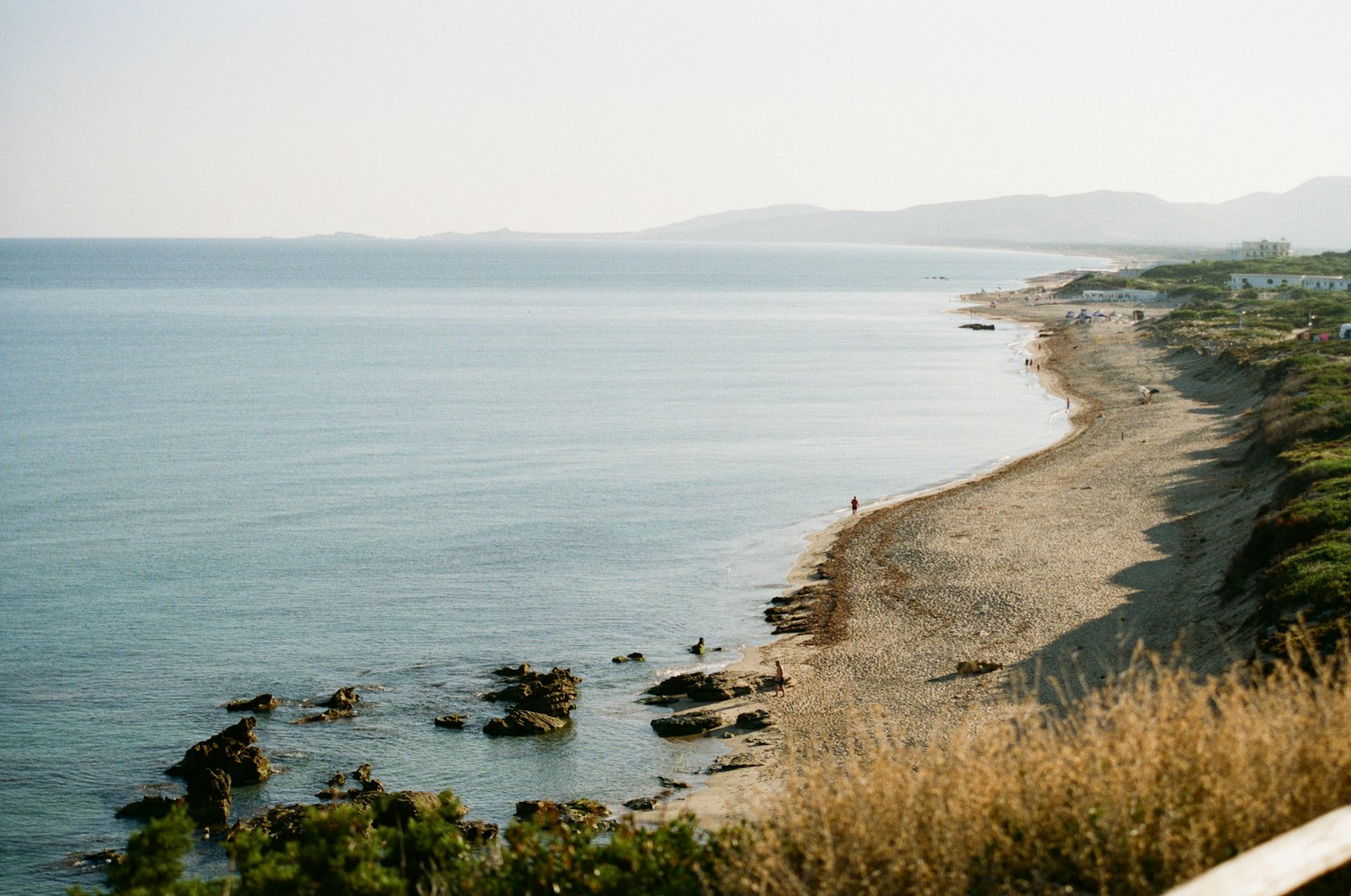
Mention northern Sardinia and one image tends to dominate: the glossy, moneyed strip of the north-east coast, with its superyachts, its celebrity beach clubs and its prices to match. It is a real place and, for those who want it, a glamorous one. But it is a tiny sliver of a large and various island, and it has drawn attention away from the far more rewarding coast that surrounds it — a shore of empty coves, wild granite headlands and water so clear it barely seems to be there, largely untroubled by the glitz a few headlands away. The quiet coast of northern Sardinia is one of the Mediterranean’s great under-appreciated pleasures.
This is a guide for the traveller who wants the island’s extraordinary sea and landscape without the scene — who would rather find an empty beach than be seen on a famous one.
The water, first of all
Everything about northern Sardinia begins with the sea, which is, quite simply, among the clearest and most beautiful in all of Europe. The particular magic comes from the geology: the coast is built of pale granite and white sand, and over this bright bed the water turns an unreal spectrum of turquoise and jade, so transparent that boats seem to float on air. Away from the famous resorts, this astonishing sea washes into countless small coves and beaches that see barely a soul, reached by a scramble down a headland or a short walk from a rough track. To find one of these empty and swim in that impossibly clear water is the whole reason to come, and it stands with the finest coastal beauty we cover across our travel and stays writing.
The coast’s character is wild rather than manicured. The granite has been sculpted by wind into strange, rounded shapes; the scrubland behind the beaches is dense with aromatic maquis — myrtle, rockrose, wild rosemary — that scents the whole air in the heat. This is not a tamed, developed shore but a rugged, elemental one, and that is exactly its appeal.
Beyond the beaches
The quiet coast rewards the traveller who looks beyond the sand. Just inland, the landscape rises quickly into a wild interior of granite hills, cork-oak forests and ancient stone villages that feel a world away from the coast, let alone the resorts. Here you find the deep, old Sardinia — the shepherds’ traditions, the mysterious prehistoric stone towers that dot the island, the fiercely guarded local culture that has always held the mainland at arm’s length. A day spent driving the back roads of the interior, stopping in a hill village for lunch, is the perfect counterpoint to the beaches, and it reveals an island far older and stranger than its coastline suggests. It has something of the layered, lived-in quality we admire in the quiet coast of the Amalfi hinterland — the real place behind the famous one.
The genius of northern Sardinia is that the finest coast is also the emptiest. You need only turn away from the famous names and walk a little further than most are willing to.
The Sardinian table
Sardinia eats unlike anywhere else in Italy, with a cuisine shaped as much by its shepherds as its fishermen. Inland, the food is pastoral and robust: roast suckling pig, pecorino cheeses of astonishing depth, the thin crisp carta da musica bread, hearty pastas. On the coast, it turns to the sea: sea urchins, bottarga, the day’s catch grilled simply over wood. The wines are distinctive and undervalued, the whites bright and mineral, the reds warm and herbal. Eat where the locals eat, well away from the beach clubs, and you will find some of the best and most honest cooking in the Mediterranean, in the tradition of the coastal Italian food we explore in the best Ligurian and coastal Italian.
How to do it
The quiet coast rewards a particular way of travelling, unhurried and self-directed.
- Hire a car. The best coves and villages are off the main roads, and the freedom to explore is essential.
- Base yourself in a village. A small hotel or agriturismo away from the resort strip gives you the real island and a quieter, cheaper stay.
- Seek out the small coves. The famous beaches are busy even here; the reward is in the ones that take a short walk to reach.
- Consider a boat. A day on the water opens up beaches and islets that can be reached no other way.
Above all, resist the urge to rush. The coast is long and the pleasures are simple — a swim, a walk, a long lunch, a nap in the shade — and they are best taken slowly.
When to come
Timing matters. High summer brings the heat, the Italian holidays and, even here, more company than you might like. The knowing traveller comes in the shoulders — late spring, when the maquis is in flower and the sea has warmed enough to swim, or September, when the crowds have gone but the water still holds August’s warmth. These are the weeks when the quiet coast is at its most perfect, empty and golden, a case we make more broadly in our guide to where to travel in shoulder season.
Where to stay
The character of a northern Sardinian holiday is set by where you base yourself, and the quiet coast rewards the traveller who looks beyond the resort strip. A restored stone house inland, an agriturismo among the cork oaks, or a small hotel in a fishing village will cost a fraction of the famous coast and deliver far more of the real island. Best of all, for a family or a group, is a house of your own near the shore — a base to cook in, swim from and settle into for a week or two, the kind of unhurried, self-directed stay that suits this landscape perfectly and lets its slow pleasures unfold at their own pace. It is the same appeal we describe in the best clifftop villa retreats: a beautiful, private base from which to do very little, very well, with the sea always within reach and no schedule to keep.
The quiet argument
What northern Sardinia offers, once you leave the glitz behind, is the Mediterranean at its most elemental and unspoiled: water of an unreal clarity, wild granite coves, a fierce and ancient interior, and a table like nowhere else in Italy. It asks only that you turn away from the famous names, hire a car, and be willing to walk a little further than the crowd. Do that, and you will find an island that the superyacht set, for all their money, never quite reach — the real Sardinia, quiet and golden and almost entirely your own.
Marcus writes on travel and hospitality across Asia, and is happiest a long way from a lobby.