A Guide to the Villages of the Ardeche
In the wild, unspoilt heart of southern France, the stone villages of the Ardeche cling above deep gorges and chestnut woods. A guide to their heritage.
 By Marcus Lim
2 September 2026 · 6 min read
By Marcus Lim
2 September 2026 · 6 min read
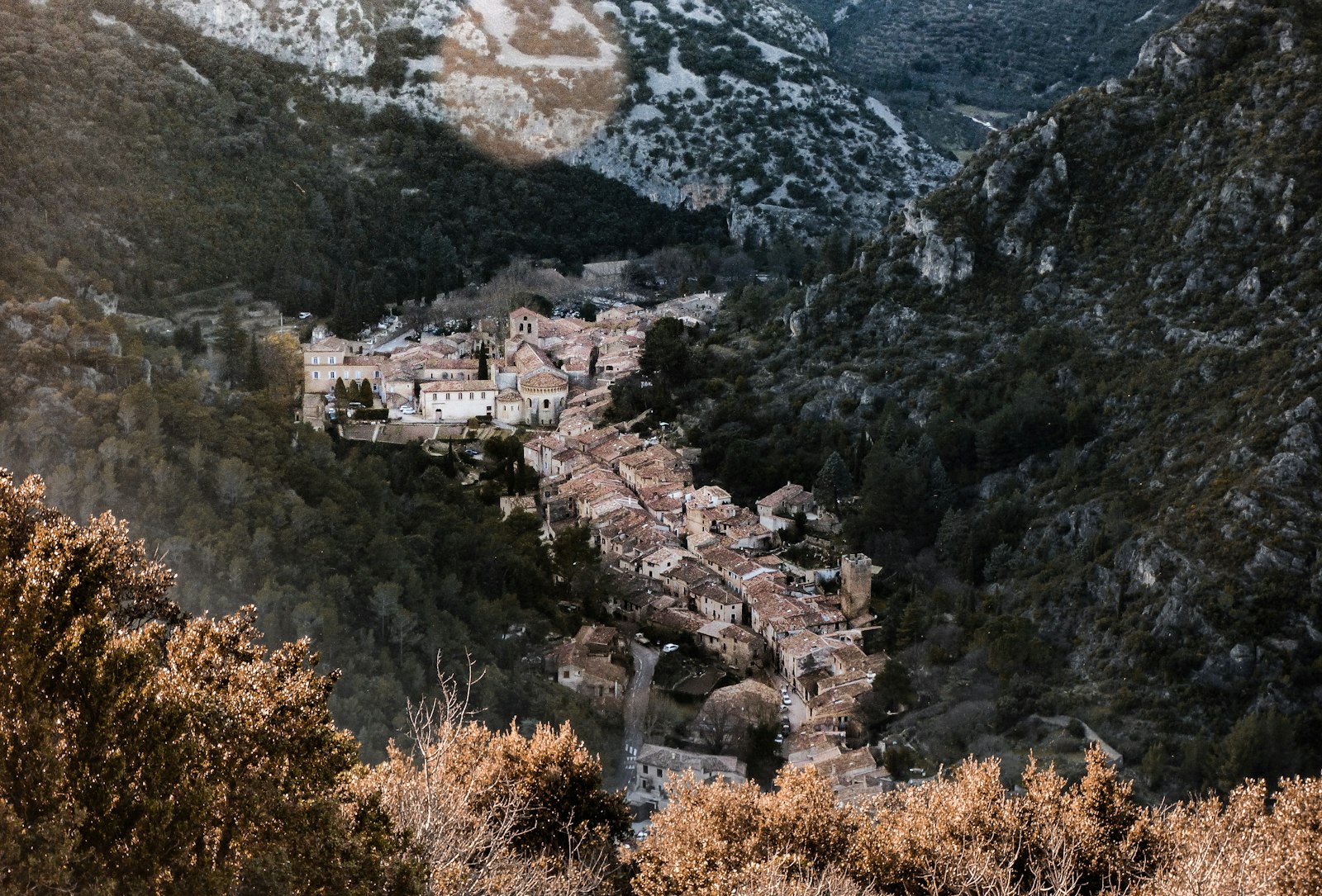
Southern France has a handful of regions everyone knows and one, tucked between them, that most people drive straight past. The Ardeche is that region, a wild, folded country of deep gorges, chestnut forests and stone villages that has stayed poor, remote and gloriously unspoilt precisely because the crowds never quite found it. Its villages are the reason to come, hamlets of pale or dark stone perched above rivers, each one a small survival of a way of life the rest of the country has largely lost. To tour them slowly is to see a France that has almost vanished elsewhere.
A landscape that shaped the stone
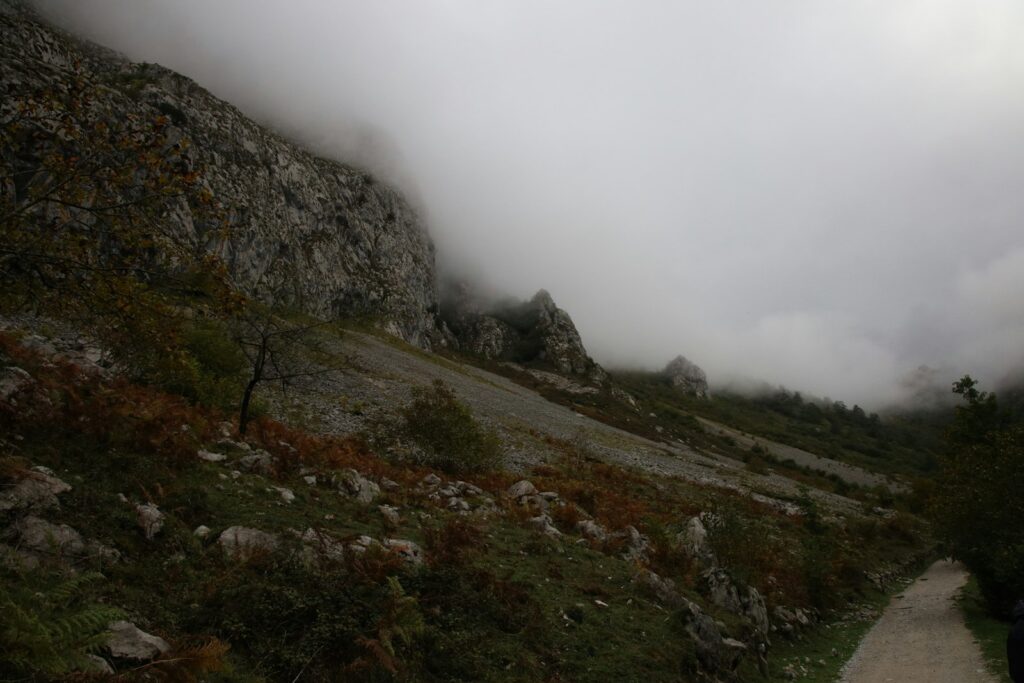
You cannot understand the villages of the Ardeche without understanding the land they cling to. This is rough, vertical country, cut by the great river gorge in the south and rising to high, wooded plateaux in the north, and the villages grew where a shelf of rock or a bend in a river allowed. The result is architecture wedded to landscape, houses built from the very stone of the hillside, streets that climb and twist because the terrain gave no other choice, roofs of stone tile weighing down against the wind. In the north the villages are often built of dark volcanic stone; in the south they glow pale and honeyed above the gorge. This marriage of stone and setting gives each village its distinct face. Travellers drawn to it will find the same austere beauty in the neighbouring uplands, and our guide to the villages of the Cevennes covers the wilder country just to the west.
The villages worth the climb
The Ardeche rewards the traveller who is willing to leave the main roads and grind up the narrow lanes to the perched villages the buses cannot reach. Some are officially counted among the most beautiful in France, all restored stone and flowered lanes, while others are half-abandoned and all the more moving for it, their lanes silent, a single café holding on. The pleasure is in the wandering, the sudden view from a ramparts, the cool of a Romanesque church, the old man on a bench who has watched the same valley for eighty years.
The finest villages of the Ardeche are not the ones with the most to see but the ones with the least to do, where the correct pace is that of the cat asleep in the lane.
How to tour them well
- Drive slowly: the roads are narrow and steep, and the point is the journey, not the arrival.
- Come off-season: spring and autumn bring the light and empty the few honeypot villages.
- Follow the river: the gorge road strings together some of the most dramatic settings.
- Eat local: chestnut, goat’s cheese and river fish are the honest staples of the region.
The gorge and the water
The south of the region is defined by its spectacular river gorge, a canyon of pale limestone that the river has cut deep into the plateau, and the villages here look down on green water from vertiginous perches. In summer the river fills with paddlers, but come at the shoulders of the season and the gorge is quiet, the villages above it drowsing in the heat, the swimming holes empty and cold and perfect. This is landscape as much as heritage, and the two are inseparable here; the villages exist because the river carved a place for them. Those who love a village set dramatically above water will find kindred spots along the coast and in the hills throughout our travel pages, including the perched settlements of the Vercors to the north-east.
A table rooted in poor soil
The Ardeche was for centuries one of the poorest corners of France, and its cooking reflects that hard history, which is precisely what makes it so honest and so good. Where the land gave little, the people made much of it, and the region’s table is built on the handful of things its steep, thin soil would grow. The chestnut is king here, once the staple that kept whole villages alive through winter, now turned into flour, into sweet purees, into a hundred humble dishes that speak of thrift raised to an art. Goats grazed the scrub where nothing else would grow, so the cheeses are of goat’s milk, fresh and sharp or aged to a hard bite. The rivers gave fish, the woods gave game and mushrooms, and the terraced slopes, where they could be worked at all, gave wine of real character. To eat in the Ardeche is to taste a landscape and a history at once, a cuisine of making do that has become, in the way of such things, a cuisine worth travelling for. Seek out the village auberge over the roadside restaurant, order what is local rather than what is familiar, and you will eat as the region has always eaten, simply and very well.
Where to base yourself
The Ardeche is not a region of grand hotels, and that is part of its honesty. The right base is a converted farmhouse, a room in a village guesthouse, or a small auberge where the cooking is regional and the welcome unforced. Stay put in one village and radiate out by car, rather than moving every night, and the region reveals itself at its proper pace. Those who prefer their rural France with a working agricultural character will find the spirit close to that of the produce-driven stays covered in our piece on the olive grove stay, for the Ardeche too is a place where the land and the table are one. For more of France’s overlooked corners and the villages that make them worth the detour, our Travel & Stays section is where to plan the route. The Ardeche keeps its villages for those willing to climb to them, and the climb, as ever, is the whole reward, each hairpin bend delivering another perched hamlet more beautiful and more silent than the one before it, and each worth the slow, winding effort of the ascent.
Marcus writes on travel and hospitality across Asia, and is happiest a long way from a lobby.