Why the Sierra de Gredos Rewards the Patient Traveller
The Sierra de Gredos rewards the patient traveller with granite cirques, glacial lakes and slow stone villages, a wild range hiding west of Madrid.
 By Marcus Lim
2 September 2026 · 6 min read
By Marcus Lim
2 September 2026 · 6 min read
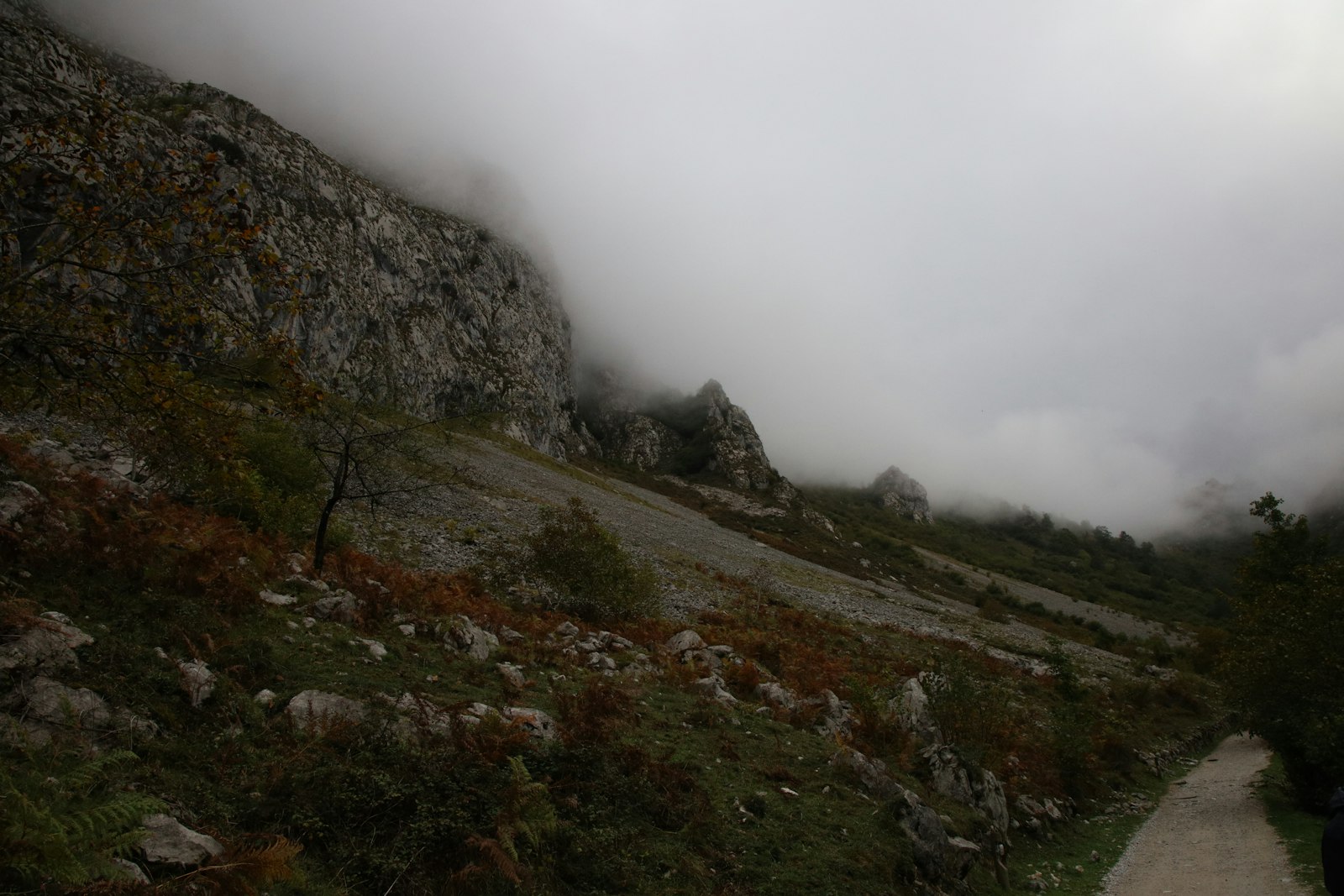
Barely two hours west of Madrid, the Sierra de Gredos rises out of the Castilian plain in a wall of granite, and almost nobody goes. Spaniards know it, of course, but the international traveller sweeps past on the way to Seville or Santiago, and the range is left to the ibex, the shepherds and the handful of walkers who have learned its rhythm. That neglect is its great gift. Gredos does not perform for the day-tripper. It gives up its beauty slowly, to those who stay a few nights and walk a little further than the car park.
A landscape shaped by ice
Geologically, Gredos is a spectacular thing: a block of ancient granite heaved up and then carved by glaciers into cirques, tarns and knife-edged ridges. The showpiece is the great glacial amphitheatre below the highest peak, where a still lake sits ringed by grey walls streaked with late snow. Getting there is a proper half-day walk from the roadhead, climbing through broom and pine, and the first sight of that cirque opening ahead of you is worth every step. This is high, serious country, and it shares its patient magic with ranges further north; anyone who has felt the pull of the granite tops will understand why the Scottish Cairngorms reward the patient traveller in much the same way.
The villages below
Half the pleasure of Gredos is the string of stone villages on its southern flank, in the sheltered valley of La Vera. Here the architecture changes entirely: timber-framed houses with overhanging balconies, streets threaded by open water channels running down from the sierra, and squares shaded by ancient trees. The microclimate is soft enough for cherries, figs and the smoked paprika the region is famous for. Spend a morning in one of these villages, then climb into the cold air above, and you have the whole character of the place in a single day.
Gredos asks for two nights minimum. The first day you arrive and adjust; the second, the mountain finally lets you in.
Accommodation is modest and getting better. The historic mountain parador sits high on the northern side with a grandstand view of the peaks, and a scattering of small rural inns in the valleys offer honest food and a bed after a long day. For those who like the mountain-lodge model, the range sits comfortably alongside the retreats we gather in the best mountain lodge retreats, though Gredos is wilder and less polished than most.
Walking, and doing less
The walking is the reason to come, and it runs the full gamut. There are gentle riverside strolls in La Vera, half-day climbs to high tarns, and multi-day traverses along the main ridge for the properly equipped. The ibex are everywhere on the upper slopes, unbothered and photogenic, and the birdlife includes vultures wheeling on the thermals above the cirques. But Gredos also rewards doing very little: an afternoon by a mountain stream, a long lunch under a chestnut tree, a nap in the thin bright air. It belongs to the same unhurried tradition as the high, open country we admire in the best plateau and highland escapes.
When to come
Late spring is glorious, with snow still on the tops, meltwater thundering and the lower slopes green and flowering. Autumn brings the chestnut harvest and a softer light. Summer is popular with Spanish families escaping the heat of Madrid, so the roadheads fill, though a short walk still buys solitude. Winter turns the high sierra properly alpine and is for the experienced only.
The old ways of the valley
Gredos is not only a landscape; it is a living culture, and the patient traveller is the one who takes the time to notice it. The transhumance, the seasonal driving of livestock up to the high pastures in summer and down again before the snows, still shapes the year here, and the old drove roads thread the whole range. The paprika of La Vera is smoked over oak in low drying houses whose scent hangs in the autumn air, and the local cheeses, honey and cherries reward anyone who shops in the village squares rather than the supermarket on the way in. Sit in a bar in one of these villages long enough and the conversation, the pace, the sense of a place still tied to its seasons, tells you as much about Gredos as any peak.
There is history in the stone, too. Roman roads, medieval bridges and the odd hermitage sit half-forgotten in the valleys, and the great walled towns of the plain, with their storks nesting on every tower, are an easy drive for a change of register. Give the range the days it asks for, and you find that its rewards are cultural as much as scenic, a whole way of life carrying on quietly in the lee of the granite. For travellers who want to pair the mountains with a city of similar history, our slow weekend in León follows the same unhurried approach further north. Travellers who find Gredos to their taste might also consider its neighbouring range closer to Madrid, explored in our piece on the Sierra de Guadarrama.
The patient traveller’s reward
What Gredos teaches, more than any single view, is the value of staying put. This is not a range you drive through and understand. You have to give it a few days, let the legs loosen and the eye adjust, and walk up into the granite until the plain below disappears. Do that, and you are rewarded with a wilderness two hours from a capital city that feels, at times, like the far side of the world. Pair a few days here with the wines of the region, and our notes on the best merchants for Rioja and Tempranillo will help you find the right bottle for the valley table.
The mountain is not going anywhere, and it does not need your visit. But if you have the patience to meet it on its own terms, the Sierra de Gredos will give you a version of Spain that almost no one else has bothered to find. For more ranges and valleys that repay the slow approach, our travel and stays desk keeps a quiet list, and Gredos has earned its place near the front.
Marcus writes on travel and hospitality across Asia, and is happiest a long way from a lobby.