The Best Merchants for Rioja and Tempranillo
American oak, long ageing and Tempranillo's quiet elegance: Rioja rewards patience, and Singapore's better merchants stock far more than familiar labels now.
 By Renée Tan
1 September 2026 · 5 min read
By Renée Tan
1 September 2026 · 5 min read
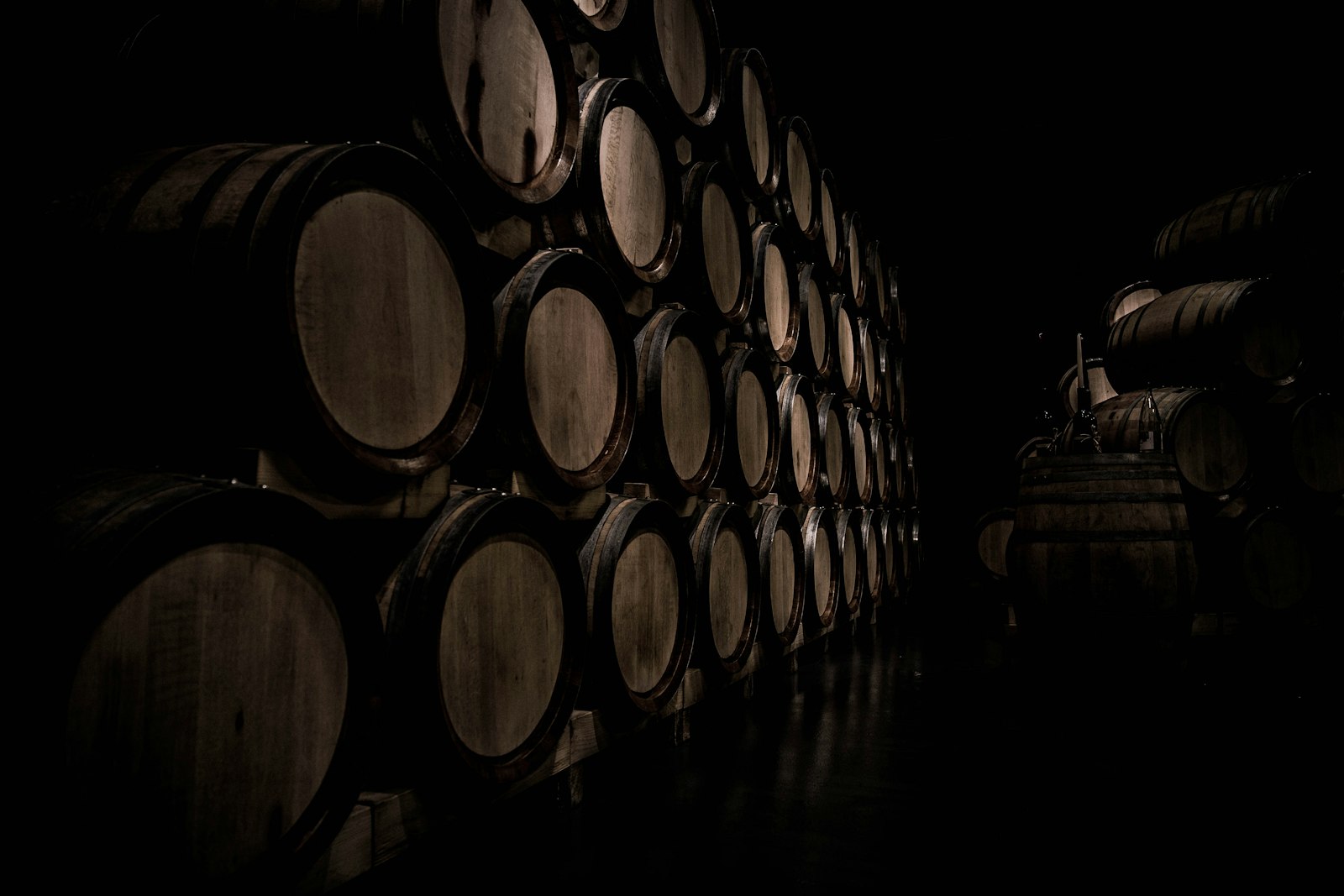
Tempranillo is one of the more underrated great red grapes, and Rioja remains the region that shows it best. For decades, the wine’s reputation outside Spain rested largely on a fairly narrow idea — soft, oak-forward, easy-drinking reds built for long, gentle ageing in American oak barrels — and while that traditional style still has genuine merit, it represents only part of what serious Rioja producers are doing today. Singapore’s better wine merchants have, over the past several years, expanded their Rioja and broader Tempranillo offerings considerably, and it’s worth knowing which ones have done the work to move past the obvious, familiar labels.
Understanding Rioja’s Classification System
Rioja’s ageing categories — Crianza, Reserva and Gran Reserva — describe minimum time spent in barrel and bottle before release, with Gran Reserva requiring the longest ageing and traditionally reserved for only the best vintages. This system rewards patience on the producer’s part but can obscure genuine quality differences, since a technically qualifying Gran Reserva from an indifferent producer will never match a thoughtfully made Crianza from a serious one. The merchants worth trusting are the ones who can speak to individual producers and vintages rather than simply selling by classification label alone.
What a Good Merchant Offers
- A range that goes beyond the handful of internationally famous Rioja houses, including smaller, single-vineyard producers working in a more contemporary style.
- Staff genuinely knowledgeable about the shift some producers have made toward French oak or neutral vessels, a move away from the traditional American oak profile.
- Proper storage conditions — Tempranillo-based wines, particularly older Reservas, are sensitive to temperature fluctuation and light exposure.
- Willingness to open bottles for tasting, given how much variation exists even within a single producer’s range.
Reading a Back Label With Confidence
Rioja’s classification system, while useful, only tells part of a bottle’s story, and shoppers who rely on it exclusively can miss genuinely excellent wine that falls outside strict Gran Reserva ageing requirements simply because a producer chose to release it earlier. Increasingly, some of the region’s most interesting producers have begun bottling outside the traditional classification system entirely, releasing single-vineyard wines under a simple regional designation rather than committing to years of mandated barrel time, in order to express a specific site’s character on the winemaker’s own timeline rather than the classification board’s. A good merchant will flag these bottles specifically, since they’re often overlooked by shoppers scanning shelves purely for the word “Reserva.”
Tempranillo Beyond Rioja
While Rioja remains Tempranillo’s most famous home, the grape performs with real distinction in Ribera del Duero and, increasingly, in smaller emerging regions across Spain. Merchants building genuinely serious lists now stock across this wider Tempranillo landscape rather than treating Rioja as the only conversation worth having. This broader curiosity mirrors what’s happening across much of Spain’s dining and drinking culture more generally — a shift covered further in a guide to the best Basque and northern Spanish dining, where Tempranillo and its regional cousins are increasingly treated as serious food wine rather than simply an easy default red.
“Ten years ago, people asked for ‘a Rioja’ the way they’d ask for ‘a Cabernet’ — one style in their head, nothing more,” one merchant told me, walking a rack of bottles from a smaller, family-run bodega. “Now the good customers ask about the producer first. That shift changed what we choose to stock.”
Pairing and Cellaring Advice
Well-aged Rioja rewards food that can stand up to its structure without overwhelming its more delicate, tertiary notes — roasted meats, aged cheese, and dishes built on umami depth all work well. For collectors thinking about longer-term cellaring rather than immediate drinking, it’s worth speaking to merchants who also handle the best wine auctions and rare finds, since older, well-provenanced Rioja occasionally surfaces through these channels at genuinely compelling value relative to more fashionable regions. Diners with a broader interest in Italian white wine’s own comparable rehabilitation story should also look at a guide to the best Soave and Veneto white lists, which traces a strikingly similar arc — a region once dismissed for its cheaper, high-volume past, now taken seriously again by producers willing to farm for quality.
A Region Shaped by Its Landscape
Rioja’s character owes as much to geography as to grape variety. The region sits in a wide valley along the Ebro river, sheltered from Atlantic weather by the Sierra de Cantabria to the north, which creates a distinctive continental climate — hot, dry summers balanced by genuinely cold winters — that allows Tempranillo to ripen fully while retaining the acidity needed for long ageing. Three distinct sub-zones exist within Rioja, each producing subtly different wine: Rioja Alta, generally considered to produce the most elegant, age-worthy examples; Rioja Oriental, warmer and producing riper, fuller-bodied wine; and Rioja Alavesa, known for its own particular mineral character shaped by chalky, clay-rich soils.
Understanding these sub-zones matters for anyone building a serious collection, since a producer’s choice of fruit source says as much about the eventual style of wine as their winemaking decisions do. Merchants who can speak fluently about which sub-zone a particular bottle draws from, rather than treating Rioja as a single undifferentiated region, are generally the ones worth trusting with a larger purchase. This geographic nuance is easy to overlook given how often Rioja gets discussed purely in terms of oak and ageing classification, but it’s arguably just as important to the wine’s final character.
Building a Considered Collection
The best approach for a collector new to the category is to buy across styles deliberately — a young Crianza for immediate, everyday drinking, a Reserva for medium-term cellaring, and perhaps one serious Gran Reserva to understand what the region’s patience genuinely produces at its best. A good merchant will guide this rather than simply selling whatever’s easiest to move, and that willingness to educate rather than upsell is, more than any single bottle, the real mark of a wine relationship worth cultivating. For more of the island’s essential drinking culture, visit Dining & Drinks.
Renée has covered Singapore's restaurants for over a decade, with a soft spot for the kitchens most people walk past.