
The Best Wine Auctions and Rare Finds
Buying rare wine at auction rewards homework over impulse. A guide to provenance, condition reports and building a strategy before the paddle goes up.
 By Renée Tan
31 August 2026 · 6 min read
By Renée Tan
31 August 2026 · 6 min read
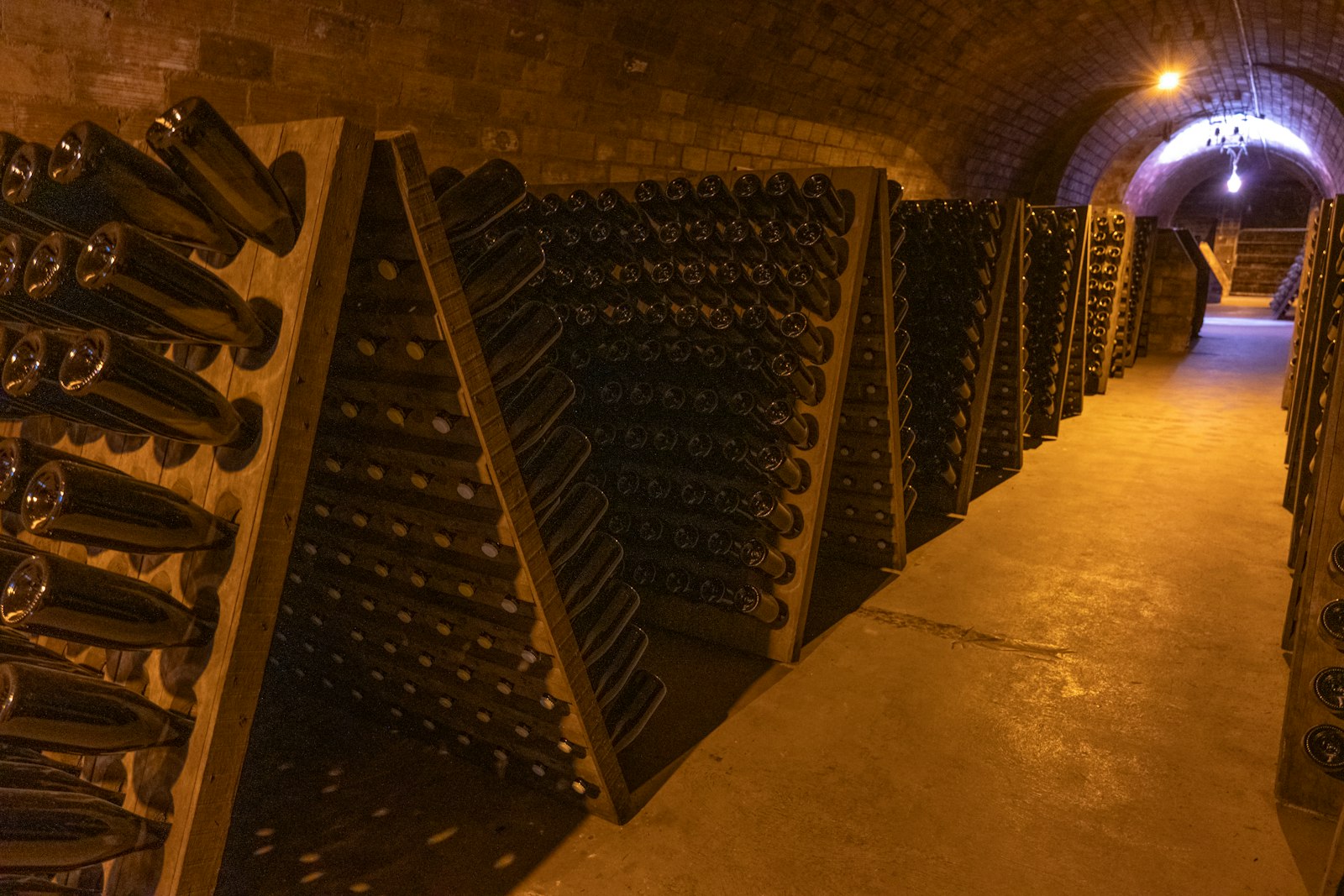
Singapore has quietly become one of the more significant wine auction markets in Asia, helped along by favourable storage conditions, a tax regime friendlier to fine wine than many neighbouring markets, and a growing base of serious collectors willing to pay for provenance. For newcomers, the world of wine auctions can feel opaque and faintly intimidating — a mix of unfamiliar terminology, competitive bidding dynamics, and genuine risk around authenticity. But approached with the right preparation, it remains one of the more reliable routes to acquiring genuinely rare bottles that never reach a standard retail list.
Why Auctions, Not Just Retail
The appeal of buying at auction rather than through a merchant comes down to access. Mature vintages, small-production bottlings and bottles from closed or defunct producers rarely make it to conventional retail, since they typically come from private cellars being sold on, often following a collector’s death or a change in collecting focus. Auction houses effectively function as a secondary market for wine the same way they do for art or watches, matching sellers looking to liquidate a cellar with buyers chasing something specific.
This also means pricing at auction can move in either direction relative to retail — a genuinely rare bottle with strong provenance can fetch a significant premium over its original release price, while a more common vintage in a crowded auction lot can sometimes sell below what a merchant would charge, simply because supply at that moment outstrips demand among bidders in the room.
Provenance Is Everything
The single biggest risk in buying rare wine at auction is provenance — where a bottle has been stored, how consistently, and whether its paper trail is verifiable. Serious auction houses now provide detailed condition reports, including fill levels, label condition and, where possible, documented cellar history, but the burden remains on the buyer to ask hard questions before bidding rather than after winning a lot.
- Fill level — a lower-than-expected fill can indicate poor storage or a compromised cork.
- Label and capsule condition — heavy staining or damage can hint at storage issues even when the wine itself is sound.
- Documented provenance — a single-owner cellar with consistent storage history commands a real premium for good reason.
- Storage temperature history — increasingly tracked and disclosed by serious sellers and auction houses alike.
For anyone building a serious collection rather than buying opportunistically, developing a relationship with a specialist rather than bidding anonymously tends to pay off over time, since specialists often flag lots worth attention before they go to public auction.
What Actually Moves at Auction
Bordeaux and Burgundy remain the dominant categories at most Asia-based auctions, reflecting both historical collecting habits and genuine scarcity in top vintages, but interest in Champagne, aged Rhône and increasingly rare Italian bottlings has grown noticeably in recent years, mirroring broader shifts in collector taste. Singapore’s collector base, in particular, has shown a growing appetite for smaller-production wines that were never widely distributed to begin with, a trend covered in more depth in our feature on the 12 cellars every collector should know.
“The mistake new bidders make is falling in love with a bottle before checking its history,” one Singapore-based wine specialist told us. “Provenance should decide the price you’re willing to pay, not the label.”
That discipline separates collectors who build genuinely valuable cellars over time from those who simply accumulate expensive bottles without a coherent strategy behind the purchases.
Building a Strategy Before Bidding
Newcomers are generally better served starting with smaller, lower-stakes lots to learn the rhythm of an auction before committing serious capital to a single rare bottle. Setting a firm budget in advance, and resisting the momentum of competitive bidding in the room, remains the most consistently useful advice from experienced collectors. For those still building foundational knowledge before venturing into the auction world, our guide to the best merchants for fine wine is a gentler starting point, while our roundup of the best small-producer wines to know offers a useful primer on the kind of scarce, well-regarded bottlings that tend to perform well at auction later on.
Ultimately, wine auctions reward patience and homework in equal measure — the same qualities, incidentally, that separate a genuinely well-curated cellar from an expensive but incoherent one. For collectors and casual enthusiasts alike, that discipline is worth cultivating well before the first paddle goes up, and it connects naturally with the wider expertise covered by the sommeliers and specialists featured across our Dining & Drinks pages.
Understanding the True Cost of a Lot
First-time bidders are often caught out not by the hammer price itself but by everything layered on top of it. A buyer’s premium — typically a percentage added to the winning bid, sometimes on a sliding scale that decreases for higher-value lots — can meaningfully change the true cost of a bottle, and should always be factored into a maximum bid before the auction begins rather than calculated afterwards in surprise. Taxes, shipping, insurance during transit, and storage fees if the wine is not collected immediately can add further, easily overlooked costs, particularly for buyers purchasing across borders or bidding on behalf of a cellar being built outside Singapore.
Serious auction houses will disclose these costs clearly in advance, and reputable bidders always request a full breakdown before committing to a lot rather than assuming the hammer price represents the final bill. This is especially important for larger purchases, where even a modest percentage difference in buyer’s premium between two auction houses can represent a genuinely significant sum across a multi-bottle case.
Storage After the Purchase
Winning a lot is only the beginning of a rare bottle’s responsibility. Proper temperature-controlled storage, ideally in a facility with documented humidity and vibration control, protects the investment as much as the wine itself, and many serious collectors in Singapore choose to leave winning bottles in professional bonded storage rather than bringing them home immediately, particularly for wines intended for further ageing rather than near-term drinking. Insurance, too, is worth arranging as soon as a significant lot changes hands rather than treating it as an afterthought once the bottle is safely home.
Renée has covered Singapore's restaurants for over a decade, with a soft spot for the kitchens most people walk past.


