The Best Soave and Veneto White Lists
Garganega on volcanic soil, restrained and mineral: Soave has spent decades escaping its bulk-wine reputation, and the better lists in Singapore now prove why.
 By Renée Tan
1 September 2026 · 6 min read
By Renée Tan
1 September 2026 · 6 min read
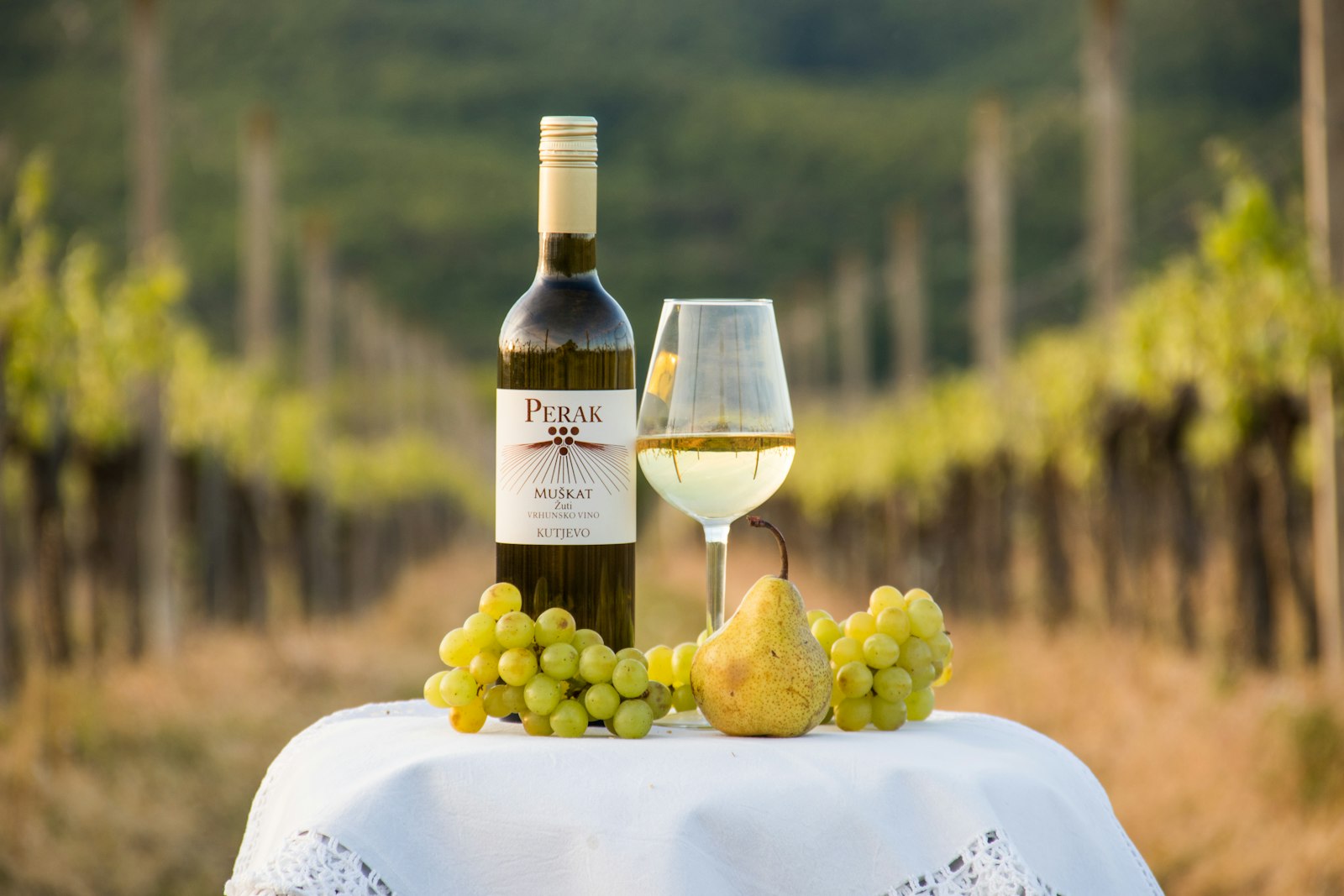
Soave has an image problem it doesn’t entirely deserve. For much of the late twentieth century, the name was shorthand for cheap, over-produced, faintly characterless white wine — a reputation built during an era when the region prioritised volume over quality. That era is, thankfully, well behind it. The Veneto’s best Soave today, made largely from the Garganega grape on the volcanic and limestone soils around the town itself, produces something genuinely fine: pale gold, almond-scented, with a mineral spine that reflects the volcanic terroir with real precision. The better wine lists in Singapore have caught up to this shift, and it’s worth knowing which ones have.
Understanding Garganega
Garganega is a grape that rewards low yields and old vines, and struggles badly under the high-volume farming that defined Soave’s lean years. On the steep volcanic slopes of Soave Classico, where vines are often decades old and yields deliberately restricted, the grape produces wine with genuine structure — notes of almond, white flowers and a saline, almost briny minerality that reflects the volcanic soil beneath. Contrast this with wine from the flatter, more fertile plains outside the Classico zone, where the same grape, farmed for volume, tends to produce something thinner and less interesting. The distinction between the two is one of the clearest lessons in how much terroir and yield genuinely matter, told through a single grape variety.
What to Look For on a List
- Wines labelled Soave Classico or Soave Superiore, both indicators of stricter production standards and typically better fruit.
- Producers who list vineyard-specific bottlings rather than a single generic blend, a sign of confidence in their terroir.
- A willingness from the restaurant to pour by the glass — Soave’s subtlety is best appreciated without committing to a full bottle on a first encounter.
The Wider Veneto White Tradition
Soave is the Veneto’s best-known white, but hardly its only one. The region also produces increasingly serious examples from Garganega blended with Trebbiano di Soave, as well as more obscure indigenous varieties gaining ground among sommeliers keen to move past the familiar. This restrained, mineral-driven style sits in useful contrast with the best Gavi and northern Italian whites, Piedmont’s answer to the same impulse — bright, structured white wine built for food rather than for easy, obvious appeal. Diners building a fuller picture of considered Italian white wine drinking should look at both lists side by side; the differences in soil and grape produce genuinely distinct wines despite a shared philosophy of restraint.
“For years I couldn’t give Soave away on my list,” one sommelier admitted, decanting a Classico bottling into a wide glass. “Now it’s one of the first things I recommend to guests who think they only like big, oaked whites. It changes their mind almost every time.”
Serving Temperature Matters More Than Most Realise
Soave is frequently over-chilled, served straight from the coldest part of a restaurant’s fridge in a way that mutes exactly the almond and mineral notes that make the better bottlings worth ordering in the first place. A slightly warmer serving temperature than the average white wine, closer to what’s typically recommended for a lighter red, allows those subtler aromatics to actually reach the glass rather than staying locked away by the cold. Sommeliers who understand this will often let a bottle sit briefly after pulling it from the chiller before pouring, a small courtesy that makes a genuinely noticeable difference to how the wine presents itself at the table. The same care over serving temperature applies further west, as our look at the best Muscadet and coastal white lists makes clear.
Pairing Soave at the Table
Soave’s almond and mineral notes make it a genuinely versatile food wine — it handles delicate seafood, risotto, and lighter poultry dishes with real ease, and its acidity cuts cleanly through anything faintly creamy without overwhelming it. It sits particularly well alongside coastal Italian menus built around restraint rather than richness, a pairing philosophy explored further in a broader sense across a guide to the best merchants for Rioja and Tempranillo, which, while focused on Spain rather than Italy, makes a useful case for how thoroughly a region’s reputation can shift once serious producers commit to quality over volume — precisely the arc Soave itself has travelled.
A Region’s Long Road Back
Soave’s fall from grace in the mid-to-late twentieth century wasn’t accidental — it was the direct result of a post-war expansion that prioritised yield over quality, as growers responded to booming international demand by planting on the flat, fertile plains outside the traditional Classico zone and pushing vines to produce far beyond what the soil could support with any real character. The resulting wine was cheap, plentiful and largely forgettable, and it took the region the better part of two generations to shake off the reputation that era created, even as a determined core of producers within the Classico zone continued farming with real restraint throughout.
The turnaround, when it came, was driven by exactly these holdout producers — growers who had never abandoned low yields and old vines, and who eventually found themselves rediscovered by a new generation of sommeliers and importers looking past the region’s damaged reputation toward what was actually still being made on the volcanic slopes. That story of quiet persistence rewarded by eventual recognition is one worth knowing before dismissing a wine list’s Soave selection out of old habit; the bottle on offer today has very little in common with what gave the name its poor reputation decades ago. A list that treats Soave seriously will often be just as curious about sparkling wine, as our pick of pét-nat and sparkling lists suggests.
Digging Deeper Into Italian Whites
For diners whose curiosity extends past the grape and into the wider culture surrounding it — grappa, amari, and the digestifs traditionally served alongside a proper Italian meal — a guide to grappa and Italian digestifs is a worthwhile companion, rounding out an evening that might begin with a glass of well-chosen Soave and end somewhere considerably stronger. What Soave ultimately offers is a genuine reversal story: a wine written off for decades, now rewarding exactly the kind of attention serious drinkers are finally giving it. For more of the island’s essential drinking culture, visit Dining & Drinks.
Renée has covered Singapore's restaurants for over a decade, with a soft spot for the kitchens most people walk past.