A Guide to the Villages of the Vercors
Beneath dramatic limestone cliffs, the villages of the Vercors keep a quiet, resilient life. Here is a guide to this overlooked corner of the French Alps.
 By Marcus Lim
2 September 2026 · 6 min read
By Marcus Lim
2 September 2026 · 6 min read

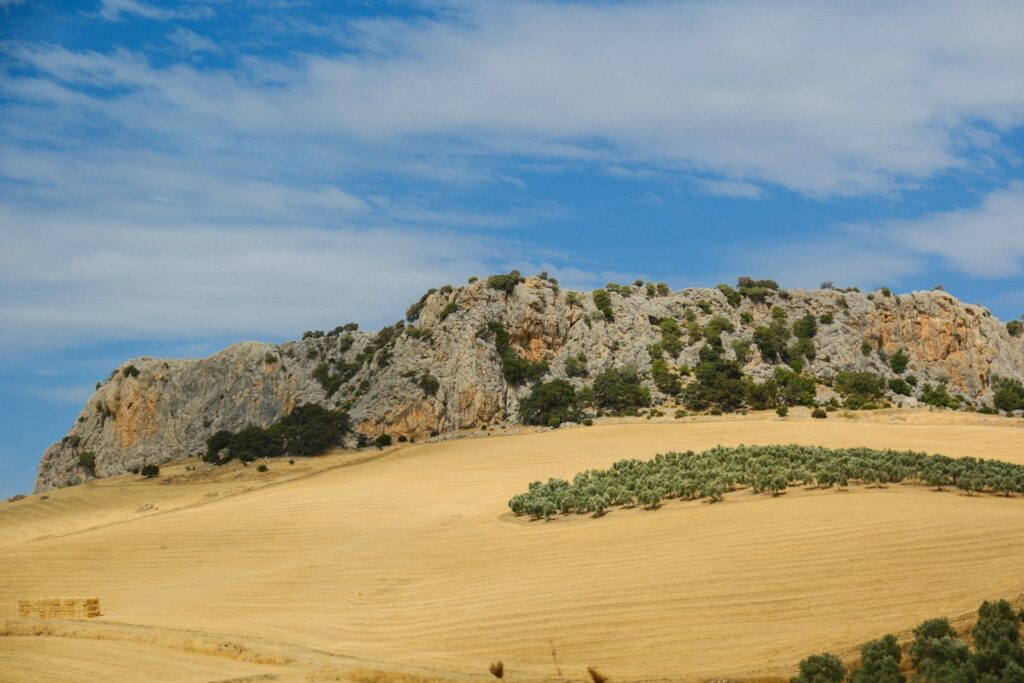
The Vercors is one of those places the French keep quietly to themselves. A great limestone plateau rising abruptly from the Rhône valley in the pre-Alps, ringed by cliffs and cut by gorges, it is a world apart, and the villages scattered across its high pastures share its character of solitude and resilience. This is not the Alps of the ski poster; there are no famous resorts here, no glamour, no crowds. There are stone villages under vast cliffs, meadows thick with wildflowers, forests of beech and fir, and a silence that the traveller from a louder world finds almost startling. It is a landscape for those who prefer their mountains quiet.
A plateau apart
The Vercors owes its distinct character to its geography. The plateau sits high and enclosed, defended on every side by cliffs and reachable only by a handful of dramatic roads that climb through gorges and tunnels cut into the rock. This isolation has shaped everything about the place, its self-reliant villages, its unhurried pace, its sense of being a country within a country. The land is limestone, which means clear rivers, deep caves and the pale, dramatic rock that gives the plateau its grandeur, cliffs that glow gold in the evening light above the green of the pastures.
It belongs to the same family of high, quiet French landscapes that reward the patient traveller, close in spirit to the villages of the sunnier south even as its climate and character differ. Where the villages of the Luberon offer Provençal warmth and Provence’s Vaucluse its lavender light, the Vercors offers something cooler and wilder, an alpine austerity softened by its meadows.
The villages and their life
The villages of the Vercors are working places rather than showpieces, and their appeal lies in their quiet authenticity. They are built of the local stone, clustered around a church and a fountain, and their life still turns on the seasons of the high pastures. Further south and west, the gentler country covered in our guide to the villages of the Drome offers a warmer counterpoint to the plateau.
- Seek out the villages set right beneath the cliffs, where the scale of the rock above the rooftops is genuinely humbling.
- Time a visit to a village market day, when the plateau’s farmers bring their cheeses, walnuts and cured meats to the square.
- Walk out from the villages into the meadows and forests; the plateau is laced with paths, and the wildflowers in early summer are extraordinary.
- Look for the memorials and museums that mark the plateau’s fierce wartime history, a story the Vercors wears quietly but does not forget.
The Vercors does not perform for visitors. Its villages simply carry on, and the traveller is welcome to watch.
The pleasures of the table
The food of the Vercors is mountain food, hearty and rooted in the plateau’s pastures and forests. This is a country of raviole, the tiny cheese-filled pasta of the region, of walnuts pressed into oil and baked into cake, of blue cheeses and firm mountain cheeses made from the milk of cattle grazed on the high meadows, and of game and freshwater fish from the gorges. It is honest, generous cooking, the food of a place that has always had to feed itself, and it tastes of the plateau in a way that flatters the landscape it comes from.
Eat it in a village auberge, unhurried and among locals, and you understand the plateau better than any drive could teach you. This rootedness in the produce of a specific high landscape connects the Vercors to the wider culture of alpine France, the same instinct for the local and the seasonal that draws travellers to the quiet corners of the mountains, whether in the Vercors or across the range in the Julian Alps to the east.
The plateau is best understood as a landscape you move through slowly, on foot as much as by car, because the Vercors keeps its finest scenery just beyond the reach of the road. A short walk from almost any village leads into the meadows and forests, and a longer one onto the high pastures where the views open across the whole plateau to the cliffs beyond. This is walking country of the gentlest and grandest kind at once, the paths well marked and rarely steep, the rewards out of all proportion to the effort, a limestone gorge, a hidden waterfall, a pasture loud with cowbells and bright with flowers. In winter the same landscape turns quietly to cross-country skiing, the plateau’s gentle relief and deep snow making it one of the great Nordic-skiing regions of France, a world away from the crowded downhill resorts of the higher Alps. In every season the pace is the same, unhurried and human, and the traveller who walks the Vercors comes to know it in a way no drive could ever teach.
There is a depth of history here, too, that rewards attention. The plateau’s wartime story of resistance and sacrifice is remembered in its museums and memorials, and it lends the landscape a gravity beneath its beauty, a sense that this quiet, remote country has seen and endured a great deal. To walk the Vercors with that history in mind is to understand its silence differently, as something earned rather than merely given.
How to travel the plateau
The Vercors rewards a car and an open plan. The pleasure is in the driving as much as the arriving, the dramatic roads that climb onto the plateau through gorges and tunnels being an experience in themselves, best taken slowly with time to stop at the viewpoints. Base yourself in one of the villages for several nights rather than passing through, and let the plateau’s rhythm slow you down, the long light evenings, the cool mornings, the sense of being somewhere genuinely remote.
Go in early summer for the wildflowers and the long days, or in autumn for the beech forests turning gold and the first quiet of the season. Either way, come with time and no fixed itinerary, and let the Vercors reveal itself at its own unhurried pace. It belongs to the same considered approach to travel, the preference for the quiet and the authentic over the famous and the crowded, that runs through the whole of our travel and stays coverage. The Vercors keeps itself quiet, and it rewards the traveller who is content to be quiet with it.
Marcus writes on travel and hospitality across Asia, and is happiest a long way from a lobby.