Where to Find the Best Dim Sum in Singapore
Trolleys are mostly gone, but the ritual of yum cha endures in Singapore. Here is where the city still does dim sum with real, unhurried conviction.
 By Renée Tan
29 August 2026 · 6 min read
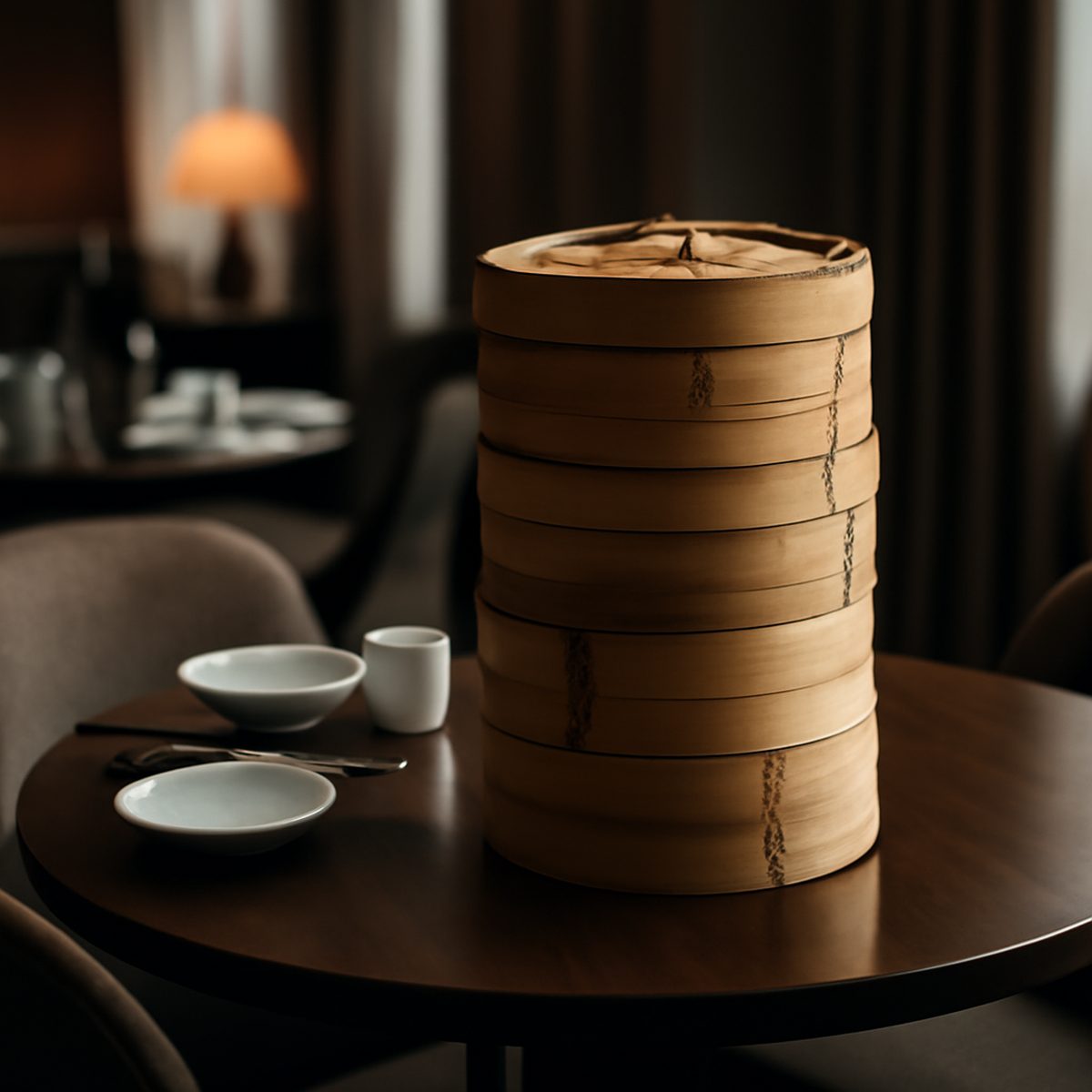
There is a particular kind of Sunday that belongs to dim sum: the late start, the queue that forms before the doors open, the trolley or the tablet order that arrives in waves rather than courses. Singapore has never quite let go of yum cha as a ritual, even as the format has changed almost beyond recognition. The trolleys have mostly retired in favour of order sheets and QR codes, but the appetite for a table crowded with steamer baskets, each lid lifted to a small cloud of vapour, has not dimmed at all. What has changed is where you go to find the best of it, and increasingly the answer sits somewhere between the old guard and a newer, more exacting generation of kitchens.
The trolley-era institutions, still worth the wait
A handful of hotel dining rooms and standalone Cantonese restaurants built their reputations on trolley service decades ago, and while the trolleys themselves have largely disappeared for reasons of speed and consistency, the kitchens behind them have kept the discipline. The test of a serious dim sum kitchen is not the char siew bao, which is forgiving, but the har gow: the wrapper has to be thin enough to show the pink of the prawn beneath it, taut without tearing, and it has to hold its shape from steamer to plate. At the better addresses, this is done at volume, hundreds of times a service, without the wrapper ever going gluey. It is a small, unglamorous act of craft that rewards a long apprenticeship, and it is the first thing worth judging when you sit down.
These are also, not coincidentally, the places where an afternoon of Cantonese dining tends to run long, because once the har gow has cleared the table, the char siew arrives, and then the claypot rice, and the whole thing becomes a proper lunch rather than a quick bite.
The newer wave, plating dim sum as fine dining
A second, smaller set of kitchens has taken the dim sum repertoire and treated it with the seriousness usually reserved for tasting menus: single-origin teas poured with intention, dumplings built around a seasonal ingredient rather than the standard prawn or pork, and interiors that look nothing like the fluorescent-lit halls of dim sum’s trolley heyday. This is not always an improvement — some of the charm of yum cha is its lack of pretension — but at its best it produces things worth genuinely seeking out: a black truffle siew mai in winter, a xiao long bao rebuilt with a lighter, more savoury broth, a cheong fun rolled thinner than seems structurally possible. The same respect for craft at the oven runs through other cuisines too, as our pick of the best wood-fired pizza in Singapore shows.
The kitchens doing this well tend to share a lineage with the chefs profiled in our piece on Singapore’s counter-dining rewrite, where a generation trained in classical technique is now applying it to food that was never meant to sit still.
What to order, and what to skip
A well-run yum cha table follows a rhythm, and it helps to order in that rhythm rather than all at once.
- Start light: cheong fun, har gow, and a clear soup dumpling before anything fried arrives and dulls the palate.
- Order the char siew sou (the flaky, sweet pastry) as a mid-meal punctuation, not a dessert — it is richer than it looks.
- Ask what is seasonal. The best kitchens will quietly rotate a filling — hairy crab in autumn, matsutake in the cooler months — that never makes the printed menu.
- Skip anything described as “fusion” unless the kitchen has genuinely earned the word elsewhere on the menu.
Tea matters more than most diners give it credit for. A properly brewed pu-erh or tie guan yin cuts through the richness of fried dumplings in a way that iced drinks simply cannot, and a good dim sum room will let you specify strength and steeping time rather than serving a generic pot.
“You can tell how seriously a kitchen takes dim sum by how it treats the cheong fun — it’s the dish with nowhere to hide,” says one longtime Cantonese chef who has spent three decades between Hong Kong and Singapore kitchens.
Weekday versus weekend, and the case for booking ahead
Weekend yum cha in Singapore is a genuine institution, complete with multigenerational tables and a wait that can stretch past an hour at the most established addresses. If patience is not on the menu, a weekday lunch delivers much of the same food with a fraction of the crowd, though a handful of the more sought-after items — the truffle siew mai, certain seasonal dumplings — are sometimes reserved for weekend service when kitchens are running at full strength. Either way, booking ahead is no longer optional at the better rooms; walk-ins are increasingly a weekday privilege only.
For those planning a longer, unhurried session, pairing a dim sum lunch with the kind of leisurely afternoon we describe in our piece on the long lunch is not a bad way to spend a Sunday — order in waves, let the tea keep coming, and resist the urge to rush the bill.
The quiet joy of a well-run yum cha table
What separates the best dim sum experiences in Singapore from the merely adequate is not any single dish but the pacing — the sense that a kitchen understands yum cha as a social occasion first and a menu second. Baskets arrive when the table is ready for them, not all at once; the tea is topped up without being asked; the bill, when it finally comes, feels earned rather than rushed. In a city that moves as quickly as this one, that is its own kind of luxury. It is also, increasingly, worth planning around properly for special occasions, in the same spirit as the hawker stalls worth queuing for that anchor the other end of Singapore’s dining culture — different register, same underlying conviction that some things are worth waiting for.
The best advice, ultimately, is the oldest: go hungry, go with people you like, and let the meal run long. Dim sum was never designed to be eaten quickly, and Singapore’s better kitchens, old guard and new alike, are still building tables that reward the unhurried version of the ritual.
Renée has covered Singapore's restaurants for over a decade, with a soft spot for the kitchens most people walk past.