At the Chef’s Counter, Singapore Rewrites Its Own Menu
Twelve-seat counters are replacing grand dining rooms across Singapore, trading spectacle for proximity as chefs cook, plate and talk directly to the guest.
 By Renée Tan
28 August 2026 · 6 min read
By Renée Tan
28 August 2026 · 6 min read

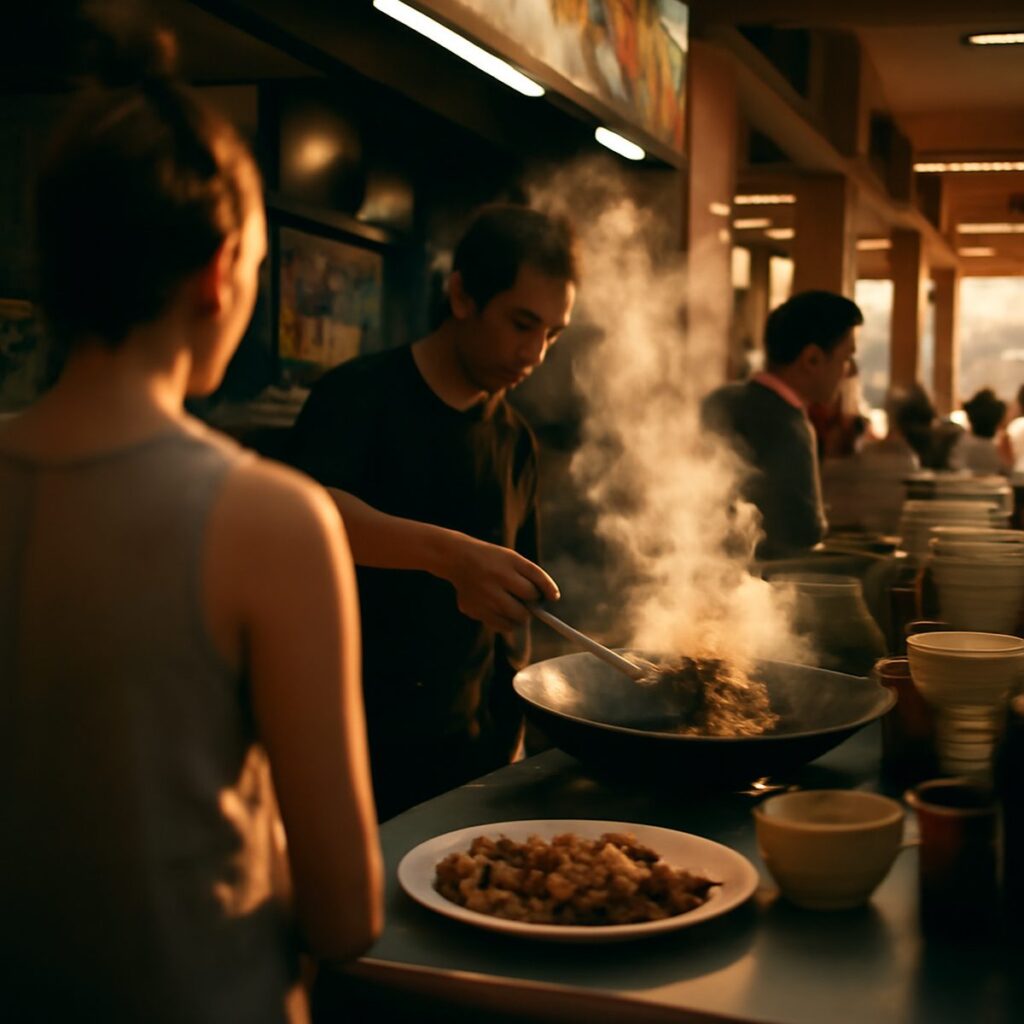
It is 7.45pm on a Tuesday and there are twelve of us, shoulder to shoulder along a single slab of reclaimed chengal wood, watching a chef we can call by his first name plate the third course of the evening with his bare hands. Nobody claps. Nobody photographs the room, because there is barely a room to photograph — just the counter, the pass, and a narrow galley where two cooks work in near silence. A decade ago, this would have been the service entrance. Tonight it is the whole restaurant, and it is fully booked until November.
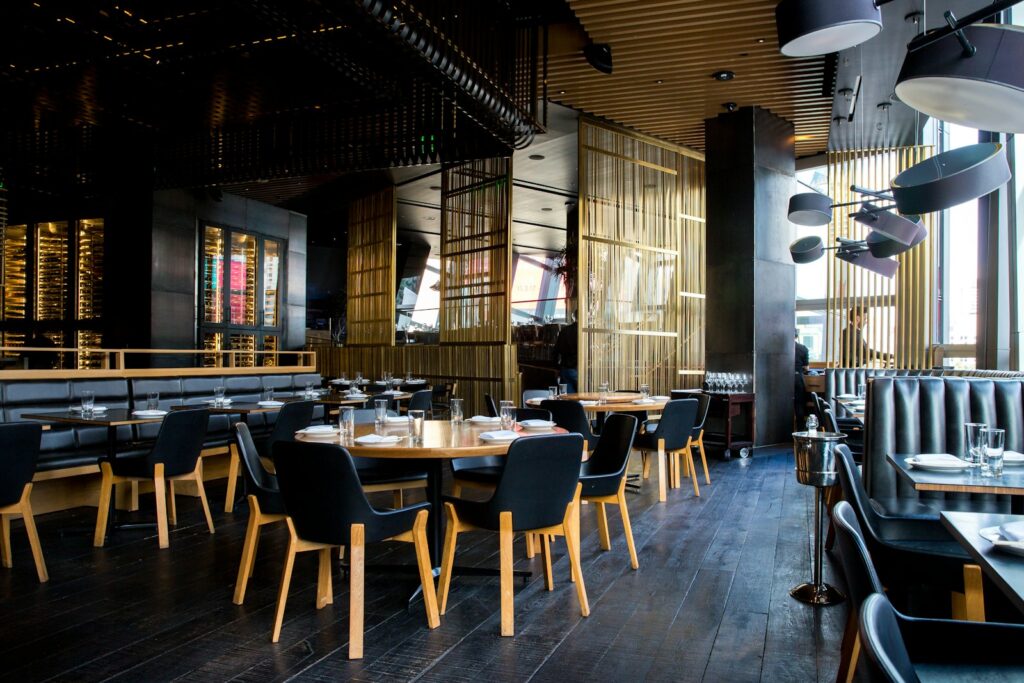
Singapore has spent thirty years building grand dining rooms: marble-floored, white-tableclothed, staffed by brigades who could recite a wine list from memory and never once tell you what they actually thought of the fish. That model is not dead, but it is no longer where the city’s most interesting cooking happens. The energy has moved to rooms that seat a dozen, sometimes fewer, where the kitchen and the dining room are the same six square metres, and where the chef is not a name on a menu but the person standing directly in front of you, sweating slightly, explaining why tonight’s course is different from last week’s.
Intimacy as the Rarest Luxury
Ask why this shift happened and most chefs will shrug and mention economics — rents, staffing, the impossibility of running a forty-cover room with any consistency. But talk to the diners and you hear something else: that in a city built on convenience and abundance, the thing that now feels genuinely luxurious is not more choice but less distance. A counter seat removes every layer of translation between the cook and the eaten. There is no captain relaying tasting notes secondhand. If you want to know why the broth is smoked over coconut husk rather than charcoal, you ask the person who made that decision, and they answer you directly, mid-service, without breaking stride.
“People come to sit here because they’re tired of being managed,” one chef running a twelve-seat room in a converted shophouse told us. “They don’t want a performance of hospitality. They want the real thing, which is messier and slower and much more honest.”
A Menu That Moves With the Tide
The smaller format has changed what gets cooked, not just how it is served. Grand dining rooms need menus that are printable, plannable, consistent for the two hundred and eighty covers a week they are built to handle. A twelve-seat counter needs none of that discipline. Menus here are often written the morning of service, built around what came off a boat in Senoko or what a farmer in Johor could spare that week. The result is cooking that feels closer to a private meal than a commercial one — unrepeatable, slightly improvised, occasionally wrong in ways that a bigger kitchen would never allow onto a plate, and somehow more compelling for it. It is the same instinct that drives a chef who builds his entire menu around whatever the morning’s catch allows, taken and applied across a whole format rather than a single kitchen.
From Performance to Hospitality
What is really being rewritten is the relationship between server and served. The grand dining room performed hospitality: choreographed, rehearsed, built to reassure. The counter offers something less polished and more persuasive — a chef who forgets to wipe a plate rim because they were mid-sentence about their grandmother’s fish stock, a kitchen that runs eight minutes behind because someone went back for a better piece of ginger. It should not work as luxury. Somehow it is exactly that, and the instinct behind it is not so different from the one reshaping how the city furnishes its homes: a preference for the considered over the loud that now runs through dining rooms as readily as living rooms.
The Economics of Going Small
None of this happens by accident. A twelve-seat room lets a chef control every variable that a bigger restaurant cannot: sourcing in small enough volumes that nothing sits in a walk-in for a week, labour costs that scale with a single service rather than three, and a floor plan simple enough that one person can run it without a general manager. The trade-off is obvious — revenue is capped the moment the last stool fills — but the chefs we spoke to were unanimous that the ceiling is worth it. A counter that turns a profit on twelve covers a night, they argue, is a more honest business than a forty-cover room that only breaks even by cutting corners nobody can see from the dining room.
How to Book, and How to Behave, at a Counter
The etiquette of counter dining is not complicated, but it differs enough from a conventional restaurant that it is worth stating plainly:
- Book the moment a release goes live. Twelve seats disappear fast, and most of these rooms do not hold tables for latecomers.
- Arrive on time, not early. There is often nowhere to wait, and a kitchen working to a single seating cannot easily absorb a guest who turns up forty minutes ahead of schedule.
- Ask questions, but read the room. A chef mid-plate will usually welcome a question about technique; a chef racing to get eight plates out in the next ninety seconds may not.
- Expect to eat what’s offered. Substitutions are harder to accommodate than in a kitchen with a proper brigade, and the best counters are often at their best when a guest simply trusts the process.
Where This Leaves the Grand Dining Room
None of this spells the end of the large-format restaurant, and the city’s remaining showpiece rooms — the sort covered elsewhere in our running list of the month’s most worthwhile new tables — still have their place for celebrations, business dinners and anyone who wants a proper wine list rather than a dozen unlabelled bottles behind the counter. But the direction of travel is unmistakable. Ambitious young chefs who a decade ago would have spent a decade climbing toward their own forty-cover room are now opening twelve-seat counters straight out of a senior sous chef role, betting that guests would rather eat closer to the fire than further from it.
Whether this remains a genuine shift or simply the current fashion in a city that tires of formats quickly is an open question. But for now, the smartest tables in the wider Dining & Drinks scene are the smallest ones, and the best seat in the house is the one closest to the fire.
Renée has covered Singapore's restaurants for over a decade, with a soft spot for the kitchens most people walk past.