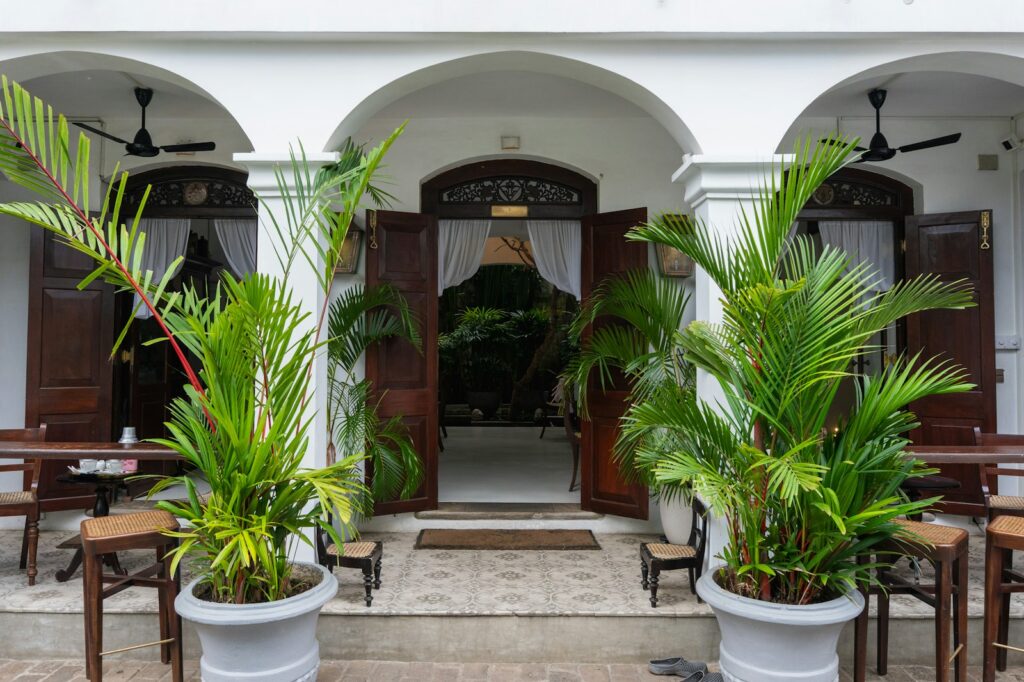
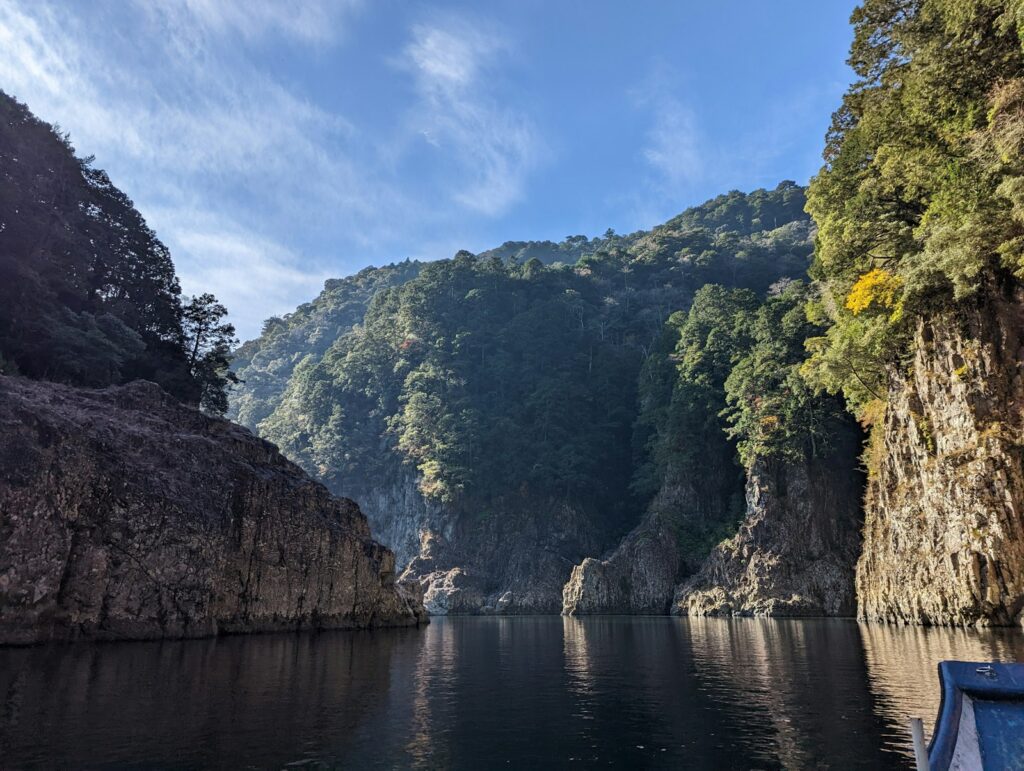
The Best Mountain Lodge Retreats
Mountain lodges built around altitude, not just views — highland tea estates, alpine retreats, and how to pick the right property for the right season.
 By Marcus Lim
30 August 2026 · 6 min read
By Marcus Lim
30 August 2026 · 6 min read
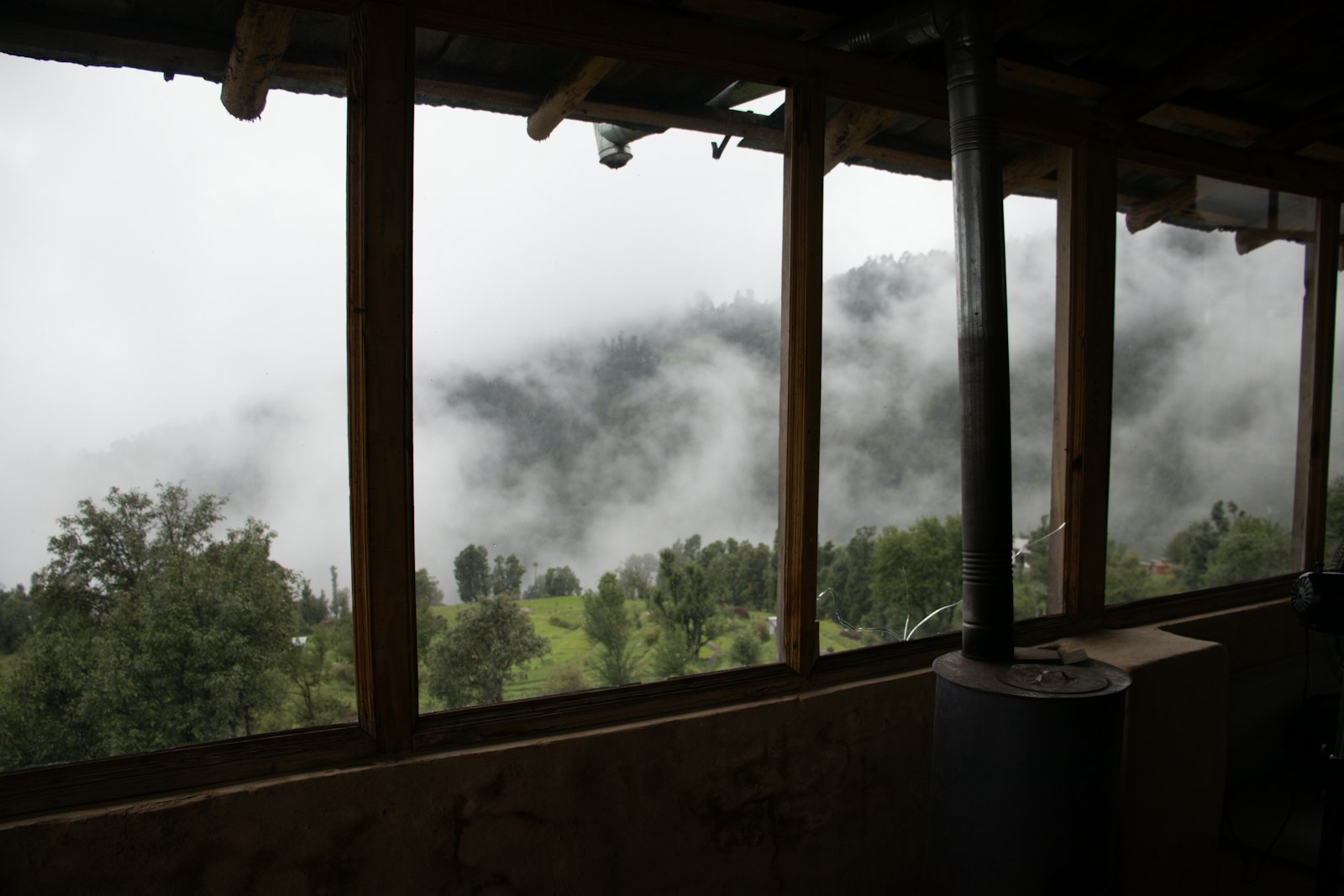
There is a specific relief that arrives with altitude — the air thinning slightly, the humidity dropping away, a silence that lowland Asia rarely offers. Mountain lodges built to capture that feeling, whether tucked into a highland tea estate, perched above a ski valley, or set deep in temperate forest, have become one of the more considered categories in regional travel, less about spectacle than about the specific pleasure of being properly cold in the evening after a day spent outdoors. This is a guide to what separates a genuinely good mountain lodge from a hotel that has simply been built at elevation.
For Singaporean travellers in particular, the appeal has an almost physiological pull — a break from the equatorial heat and humidity that defines home, replaced for a few days by wood smoke, cool mornings and a genuine need for a jumper after sundown. That contrast is worth building the whole trip around rather than treating as incidental scenery; the lodges that understand this lean into the cold rather than heating every room to lowland comfort, leaving guests to actually feel the altitude they travelled for.
The Case for Altitude
A lodge earns its category not from the view alone but from how deliberately it is built around the climate a few hundred or a few thousand metres up — thick stone or timber walls, a working fireplace rather than a decorative one, windows oriented for the sunrise over a ridgeline rather than a car park. The best examples treat altitude as the entire point of the design brief: smaller room counts, communal spaces built for lingering by a fire rather than passing through, food built around what actually grows or is farmed at that elevation rather than a menu flown in from the lowlands.
Scale matters too. A genuine mountain lodge rarely runs to more than a few dozen rooms, often fewer, because the entire model depends on communal spaces that feel intimate rather than cavernous — a single long dining table, one or two fireplaces that the whole property gathers around rather than a lobby designed to disperse guests into private corners. Properties that have simply scaled up a lowland resort format to a mountain address tend to lose exactly this quality, however impressive the view from the room.
Highland Tea and Coffee Country
Lodges set within working tea or coffee estates offer a particular version of this appeal — mornings that start with mist burning off over neat rows of bushes, the smell of processing sheds drifting across the property, walking trails that double as a working farm tour. A composite property in this category tends to do its best work in the quiet hours: afternoon tea served with a view over the estate it was grown on, evenings spent by a fire with a book rather than a screen, the whole rhythm of the stay set by the farm’s own calendar rather than a hotel’s.
Alpine and Ski-Adjacent Lodges
Further north or higher again, lodges built around winter sport bring a different but related appeal — roaring hearths, hearty regional cooking, boot rooms and gear storage built into the architecture rather than bolted on as an afterthought. Even for travellers with no interest in skiing, the off-season version of these lodges, when the slopes are green rather than white, can be some of the best value and best silence available at altitude anywhere in the region.
Choosing the Right Lodge for the Season
The mistake many travellers make with mountain lodges is treating them interchangeably with any highland hotel, when the better properties are genuinely seasonal in character — built for a specific kind of weather and activity rather than an all-purpose stay. It is worth asking directly what the property is like in the season you’re visiting, since a lodge glorious in peak winter can feel oddly empty in shoulder season, and vice versa for one built around summer hiking.
Menus are one of the more reliable tells here. A lodge that changes its offering meaningfully through the year — foraged mushrooms and root vegetables in autumn, spring greens and new tea in the warmer months — is generally one that has built its identity around the mountain itself rather than around a fixed, hotel-style menu designed to please every guest regardless of season. Ask, before booking, what is currently in the kitchen; the answer tells you more about the property than any brochure will.
- Ask what the property’s true peak season is, and book accordingly
- Look for working fireplaces and farm- or forest-sourced menus, not decorative extras
- Consider shoulder season for better value and genuinely quiet common areas
- Favour smaller room counts and communal fires over lowland-scaled resort formats
Getting to a good mountain lodge is often part of the appeal rather than an obstacle to be minimised — winding roads, a final stretch that may only be manageable by a smaller vehicle or on foot, a sense of genuinely leaving the lowlands behind rather than simply changing altitude within the same infrastructure. The best properties in this category understand that a slightly inconvenient approach is doing real work for the atmosphere that follows, and rarely apologise for it.
For travellers drawn specifically to the tea-estate version of this stay, the best highland and tea-estate retreats goes deeper into that category, while the best boutique ski lodges covers the winter-sport end of the spectrum in more detail. Those wanting a fully off-grid version of altitude travel might also look at the best eco-luxury lodges in Asia. More ideas for building a highland-focused trip sit within Travel & Stays.
What Altitude Actually Buys
A good mountain lodge is not simply a hotel with a better view; it is a building and a rhythm of hospitality specifically designed around the particular pleasures of altitude — the cold evening air, the working fire, the food grown a short walk from the kitchen. Choose the season deliberately, favour properties that lean into their climate rather than fight it, and the reward is a kind of quiet that lowland luxury, however well designed, simply cannot replicate. Pack a proper jumper, book at least two nights, and let the cold do some of the work the itinerary usually has to.
Marcus writes on travel and hospitality across Asia, and is happiest a long way from a lobby.