The Best Places for Manta and Marine Encounters
Southeast Asia's richest manta and whale shark encounters, from coral triangle cleaning stations to seasonal bays, and how to choose a responsible operator.
 By Marcus Lim
30 August 2026 · 6 min read
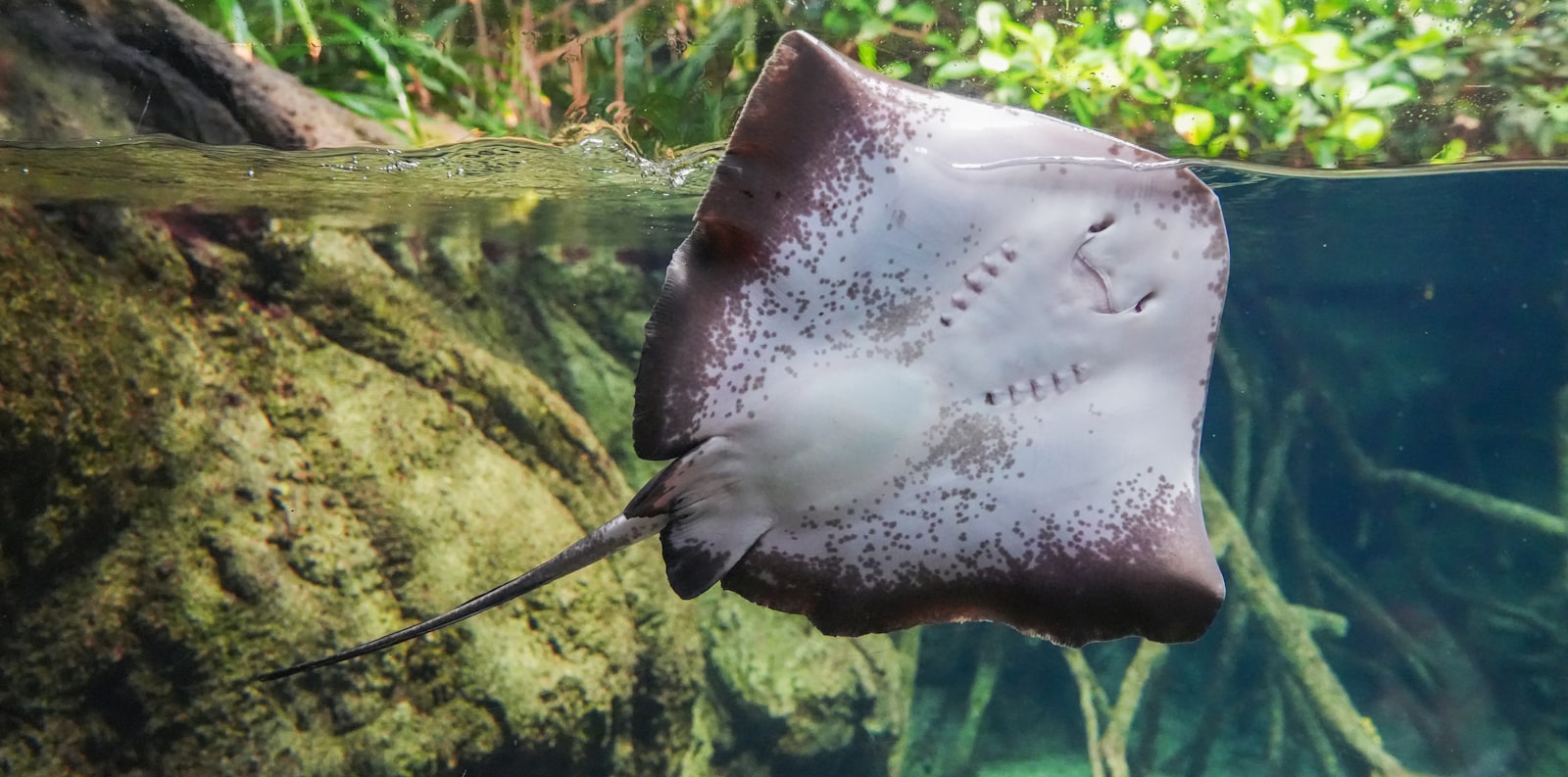
There is a particular stillness to floating above a manta ray as it glides past, close enough to see the individual markings on its underside, that no amount of pre-trip reading quite prepares a traveller for. Southeast Asia’s warm, nutrient-rich waters support some of the richest marine encounters anywhere on the planet, from cleaning stations where mantas queue for attention to seasonal migrations that draw whale sharks into shallow, snorkel-friendly bays. This is a guide to where those encounters happen most reliably, and how to have them responsibly.
What sets this region apart from other marine megafauna destinations is the sheer density of distinct encounter types within relatively short travel distances of one another — a diver could realistically move from a manta cleaning station to a whale shark aggregation to a shallow coral nursery within the same week, something few other stretches of ocean anywhere in the world can offer at this level of consistency and accessibility.
What Makes a Manta Site Worth Visiting
Not every site advertised for manta encounters delivers reliably, and the difference usually comes down to a specific kind of underwater geography — a cleaning station where reef fish pick parasites off passing mantas, drawing the animals back to the same spot with real consistency, or a feeding aggregation tied to a seasonal plankton bloom. The best operators know these sites intimately and can speak honestly about sighting probability by season rather than promising a guaranteed encounter, which no responsible operation ever should. The same question of responsible operators applies to nesting beaches, as our guide to turtle and marine sanctuaries explains.
The Coral Triangle’s Cleaning Stations
The waters at the heart of the coral triangle hold some of the region’s most consistent manta cleaning stations, coral bommies rising from the seabed where the rays circle patiently while smaller fish do their work. A composite dive morning here starts early, before the current picks up, descending onto a bommie and simply waiting — the mantas arrive on their own schedule, and the stillness of watching one hover overhead, wingspan sometimes exceeding three metres, is the entire point of the trip. Snorkelling access to shallower cleaning stations makes this one of the rare world-class marine encounters open to non-divers as well.
Seasonal Whale Shark Encounters
Elsewhere in the region, seasonal plankton blooms draw whale sharks into shallow bays for a period of weeks each year, offering a snorkel-level encounter with the largest fish in the ocean. Responsible operators here enforce strict distance rules and limit group sizes, both to protect the animals and to keep the experience from degrading into the kind of crowded, touch-focused encounter that has damaged whale shark populations elsewhere in the world. Booking with an operator that turns away business during low-sighting periods, rather than guaranteeing an encounter regardless of season, is one of the clearer signs of a genuinely responsible outfit. We cover the best of these seasonal aggregations in more detail in our guide to the best whale shark encounters.
Community-run monitoring programmes have made a real difference to how these encounters are managed in recent years, with local operators sharing sighting data and rotating access to reduce pressure on any single aggregation site. Travellers who ask about this kind of cooperative management, rather than simply booking the cheapest available boat, tend to end up with both a better encounter and a clearer conscience about the trip’s impact.
Responsible Encounter Checklist
- Confirm the operator maintains minimum distance rules and never allows touching
- Ask about group size limits at cleaning stations and aggregation sites
- Favour operators who report low-sighting periods honestly rather than guaranteeing encounters
- Ask whether the operator contributes to or shares data with local research and monitoring efforts
Planning Around the Seasons
Marine megafauna encounters are, almost without exception, seasonal, tied to current patterns, plankton blooms and water temperature shifts that move through the region on a fairly predictable annual cycle. The mistake many travellers make is booking dive or snorkel trips around flight availability rather than the marine calendar, which is the single biggest predictor of a disappointing encounter. A short conversation with a specialist operator well ahead of booking is worth far more than any last-minute deal, and most reputable outfits will tell a traveller honestly if their preferred dates fall outside the reliable window.
Water visibility matters as much as animal presence, and the two do not always align neatly. Some of the best manta activity coincides with plankton-rich water that reduces visibility to a few metres, meaning the closest, most memorable encounters are sometimes the least photogenic. Travellers chasing a specific photograph should ask operators directly about the visibility-versus-density trade-off for their preferred season, rather than assuming peak sighting numbers automatically mean peak conditions for viewing.
Travellers building a wider marine-focused itinerary around this kind of encounter should also look at the best places for coral and reef diving for sites beyond the megafauna hotspots, or the islands of the coral triangle for a broader sense of the region’s marine geography. For travellers who prefer to stay closer to the surface, the best places for snorkelling with marine life covers the non-diving version of these same encounters. More marine and island travel ideas sit within Travel & Stays.
Gear, Skill and Preparation
Neither manta nor whale shark encounters demand advanced diving qualifications in most cases — many of the best sites are accessible to snorkellers or newly certified divers — but a degree of water confidence and fitness genuinely improves the experience. Currents at cleaning stations can be brisk, and the ability to hold position calmly without excessive fin movement makes the difference between an animal that lingers and one that moves off. A short refresher session with the operator before the main encounter is worth the extra morning it costs.
An Encounter Worth the Planning
A genuinely good manta or whale shark encounter is never accidental — it is the product of the right site, the right season and an operator who treats the animals’ welfare as non-negotiable rather than secondary to the itinerary. Build the trip around the marine calendar rather than the flight schedule, choose operators who are honest about the odds, and the reward is an encounter that stays with a traveller considerably longer than most luxury experiences manage to.
Marcus writes on travel and hospitality across Asia, and is happiest a long way from a lobby.