
How to Start Collecting Art, Sensibly
A beginner's guide to starting an art collection sensibly, without the intimidation factor or the overspending that trips up so many first-time buyers.
 By Priya Nair
29 August 2026 · 6 min read
By Priya Nair
29 August 2026 · 6 min read
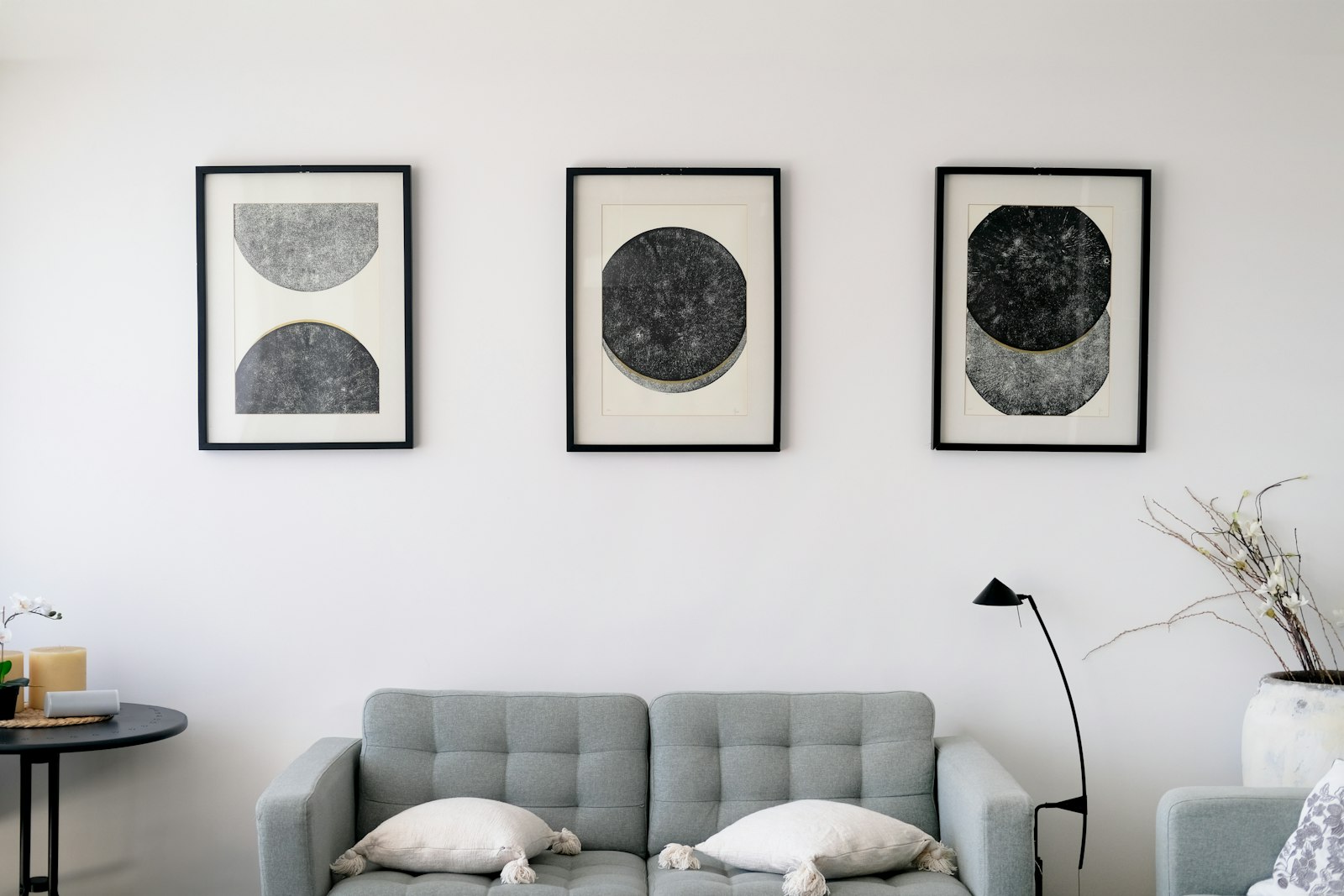
Most people who want to start collecting art never actually begin, not because of budget but because of intimidation — a sense that the art world runs on private knowledge they do not have, and that a first purchase risks revealing that gap embarrassingly. This is largely a myth the market has been happy to perpetuate. The genuine barrier to entry is far lower than most newcomers assume, and the households who build satisfying collections over time tend to share a fairly simple discipline: buy slowly, buy what genuinely moves you, and resist the pressure to buy for investment before buying for love.
Why “buy what you love” is not just a platitude
It gets repeated so often at galleries that it has become almost meaningless, but the advice holds up under scrutiny for a practical reason: art bought purely as a speculative investment, without genuine attachment, is miserable to live with if its value stalls, and most emerging art’s value does exactly that far more often than gallery talk suggests. A piece bought because you genuinely want to look at it every day retains its value to you regardless of what happens in the wider market — a return no auction house can ever guarantee.
Where buying art Singapore newcomers should actually start
- Local gallery open houses and degree shows, where prices for emerging artists remain genuinely accessible and gallerists are generally happy to spend time with first-time buyers.
- Art fairs, approached with a plan rather than wandering — decide roughly what you’re looking for before arriving, since the volume of work on display can otherwise be overwhelming.
- Studio visits, where possible, which offer far more context on an artist’s practice than a single framed piece on a gallery wall ever can.
Avoid, at least initially, buying purely from an online listing without seeing the work in person — scale, texture, and colour all translate poorly through a screen, and a piece that looked striking in a thumbnail can disappoint considerably once it is actually hanging on your own wall. The same rule applies to any substantial purchase for the home, from a painting to choosing the right bathtub, where scale and texture rarely translate through a screen.
Setting a sensible first budget
A common mistake among new collectors is either underspending on something purely decorative that holds no real interest, or overspending on a single ambitious piece before developing any real eye for what they respond to. A better approach for a first year of collecting is to set aside a modest, genuinely comfortable budget and spread it across several smaller purchases rather than one large one — treating the first year as an education in your own taste as much as an act of acquisition. This mirrors the patient, incremental approach recommended in collecting on a budget: where to start, written originally for watch collectors but built on a philosophy that transfers directly to art.
“Your first five pieces will teach you more about what you actually like than any amount of gallery browsing,” a composite Singapore gallerist who has mentored several first-time collectors told us.
Living with art, not just displaying it
Where and how a piece is hung matters more than new collectors typically expect — a striking canvas can be diminished by poor lighting or an awkward wall, while a modest piece can be elevated considerably by thoughtful placement. This is where art collecting and interior design genuinely intersect, and readers thinking seriously about how a growing collection should inform a home’s broader palette should read alongside this our guide to colour, used with confidence, which addresses exactly how to build wall colour around art rather than in competition with it.
The practical questions a gallery expects you to ask
New buyers often worry that asking practical questions at a gallery signals inexperience, when in fact the opposite is true — a gallerist takes a genuinely curious first-time buyer more seriously than one pretending to already know everything. Reasonable questions include asking about the artist’s exhibition history and trajectory, whether the work is unique or part of an edition, what condition report or documentation comes with the piece, and how the gallery handles framing, delivery, and insurance for a first-time buyer. A good gallery will answer all of this patiently and without pressure; one that grows impatient with basic questions is worth treating cautiously regardless of how prestigious its name.
It is also entirely reasonable to ask for time to consider a purchase rather than deciding on the spot, and to request additional images or a studio visit before committing to anything beyond a modest budget. The pressure some galleries apply around limited availability is occasionally genuine, particularly for a popular emerging artist, but it is worth treating any high-pressure sales tactic with the same scepticism you would bring to any other significant purchase.
Learning from established collections
One of the most efficient ways to develop an eye quickly is simply spending time around collections assembled by people with more experience — a benefit increasingly available as more private Singapore collectors open their doors for viewings, a shift covered in the private collections opening their doors. Seeing how an experienced collector has hung, grouped, and lived with their pieces over years teaches lessons no gallery talk quite manages to convey.
Insuring and documenting a growing collection
Once a collection extends beyond a piece or two, it is worth speaking to an insurer specifically about fine art coverage rather than assuming a standard home policy accounts for it adequately — many general policies cap art coverage well below what a modest collection can quickly reach in combined value. Keeping simple documentation for each piece, including provenance, purchase receipts, and condition photographs taken at the time of acquisition, makes both insurance claims and eventual resale considerably more straightforward, and is a habit far easier to maintain from the first purchase than to reconstruct years later.
The collection that grows with you
Art collecting, done sensibly, is less a single decisive act than a slow accumulation of taste, confidence, and relationships with galleries and artists over years. Approached this way, the intimidation factor largely dissolves, replaced by something closer to genuine pleasure. Our Homes & Culture section continues to cover the collectors, galleries, and spaces worth knowing as your own collecting journey develops.
Priya tours the homes most people only glimpse from the road, and asks how they are really lived in.


