
Why the Verandah House Endures
A deep shaded porch, a breeze pulled through the house, a room that is neither inside nor out: why the verandah house still makes such sense in the tropics.
 By Priya Nair
1 September 2026 · 6 min read
By Priya Nair
1 September 2026 · 6 min read
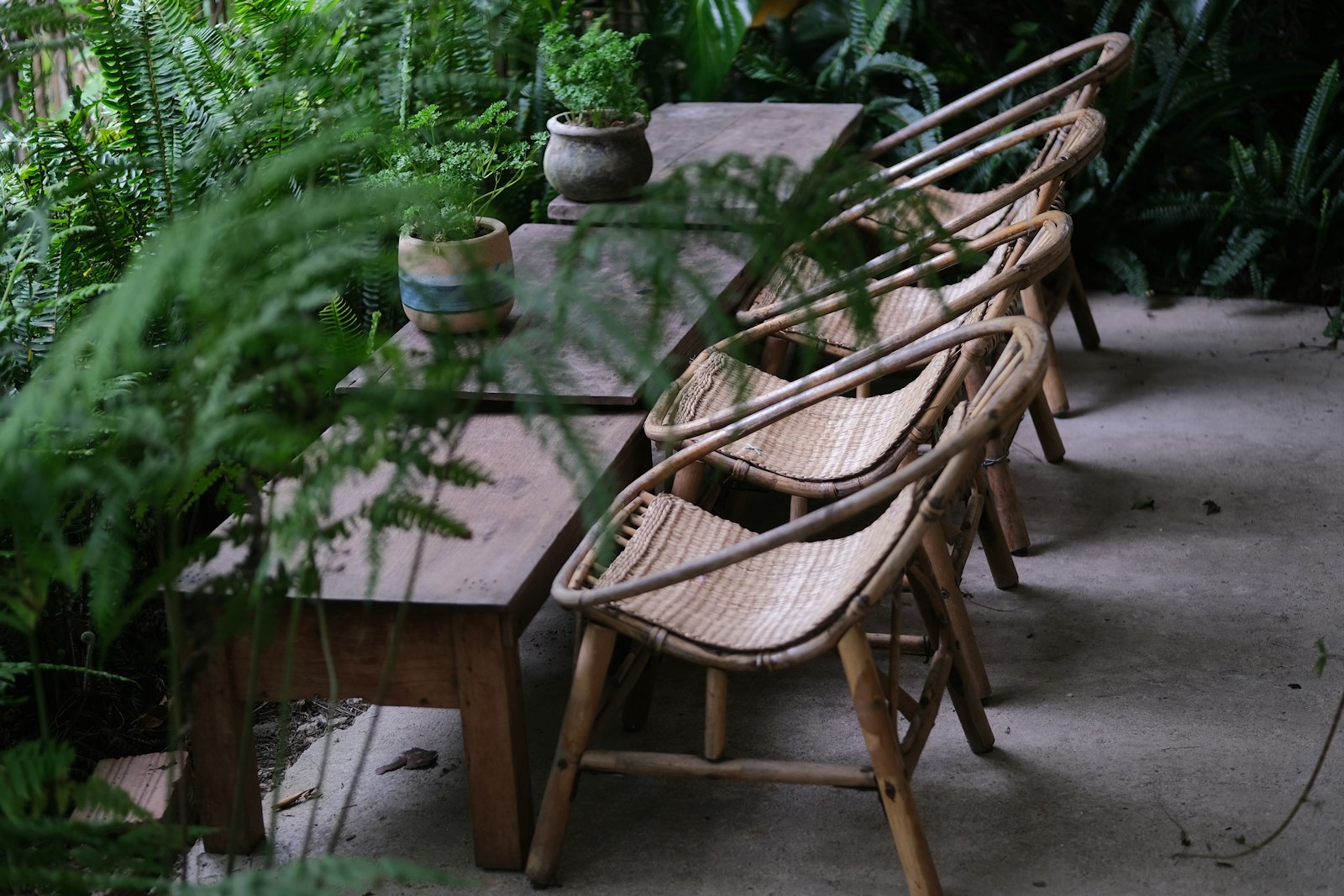
Long before air-conditioning promised to make architecture unnecessary, the tropics had already worked out how to keep a house cool, and much of the answer lay in the verandah. That deep, shaded porch wrapped around the living rooms, half inside and half out, is one of the great climatic inventions of domestic architecture. It endures, in Singapore and across the region, because it solves problems that mechanical cooling only papers over.
The verandah house is not merely a colonial relic. It is a way of building, and of living, that answers the tropical climate with intelligence rather than brute force, and the best modern architects are rediscovering exactly why it works.
Shade before cooling
The verandah’s first job is shade. By extending the roof out well beyond the walls and supporting it on a colonnade, the house keeps direct sun off its windows and walls entirely. The rooms behind stay cool because the heat never reaches them; the verandah takes the sun so the house does not have to.
This is passive design at its most elegant, achieving with geometry what we now achieve with energy. A deep verandah on the sunny side of a house can make the difference between rooms that bake and rooms that stay comfortable without a compressor running. It belongs to the same intelligent tropical tradition as the shaded, inward-looking plan we describe in why the courtyard house endures: architecture that works with the sun rather than against it.
The breeze, and the deep plan
Shade is only half the story; the other half is air. The verandah, open on its outer edge and connected to the rooms behind, encourages cross-ventilation, drawing cooler air through the house and letting the hot air escape. Louvred doors, high ceilings and a shallow plan all conspire to keep the breeze moving.
The classic black-and-white houses of Singapore understood this perfectly, and their modern successors still do. Our account of the architects redrawing the black-and-white house shows how contemporary designers are reviving exactly these principles, the deep verandah, the raised floor, the through-breeze, for a warming world in which passive cooling matters more than ever.
A verandah is not a decorative afterthought stuck onto the front of a house. It is the house’s first line of defence against the sun, and its most gracious room.
A room that is neither in nor out
Beyond the climate, the verandah’s enduring appeal is spatial and emotional. It is a threshold room, neither fully inside nor fully out, and this in-between quality is deeply pleasurable. You sit in the shade, protected from sun and rain, yet open to the garden, the breeze and the sounds of the evening. It is the best seat in a tropical house. Other house types have lasted for very different reasons, and why the terraced house endures considers one built around the street rather than the garden.
This blurring of inside and out shapes a gentler, more sociable way of living. Meals drift outdoors, conversations happen in the shade, the boundary between house and garden softens. The verandah invites the greenery close, and the relationship between the built and the planted becomes central, the same relationship we explore in tropical gardens for the modern home.
It also changes the rhythm of the day. In a verandah house the coolest, most pleasant hours, early morning and the long evening, are spent half outdoors, and the house organises itself around those hours. Coffee is taken on the verandah at dawn, work retreats indoors during the fierce middle of the day, and the family gathers on the shaded porch again as the light softens and the heat lets go. This is architecture shaping habit, gently and for the better, and it is one of the least remarked but most valuable things the verandah gives. A house that draws you outdoors at the best times of day is a house that makes you happier without your quite noticing why.
Materials that suit the climate
The traditional verandah was built of materials that suited the tropics: timber that could breathe, terracotta or stone underfoot to stay cool, rattan and cane furniture that let the air through. These are not nostalgic choices but sensible ones, honest natural materials that age gracefully in heat and humidity where synthetics warp and sweat.
The rattan chair, in particular, is the verandah’s natural companion, cool to sit in, light to move, and entirely at home in the shade. It is one of many reasons the material deserves the reconsideration we give it elsewhere on the site, and a well-furnished verandah remains its ideal setting.
The floor deserves as much thought as the furniture. Cool underfoot is the whole point, so the traditional verandah favoured polished cement, quarry tile or stone, materials that stay pleasant even at the height of the afternoon and shrug off the occasional wash of rain blown in under the eaves. A generous overhang keeps the worst of the weather off, while a low balustrade or a run of planting gives the space a soft edge without closing it in. These are small decisions, but together they determine whether a verandah is used every day or merely admired from indoors.
A template worth reviving
What makes the verandah house so instructive now is that it solved, with nothing but roof, floor and orientation, the very problems we throw expensive technology at. It shaded itself, cooled itself and connected itself to the garden, all without a watt of power. As energy grows dearer and summers grow fiercer, that lesson is worth relearning, and the architects paying attention to it are producing tropical houses that are both more comfortable and more beautiful than the sealed boxes they replace.
Why it still makes sense
In an age of sealed, air-conditioned boxes, the verandah house offers a quiet rebuke and a better idea. It cools the house without cost, it opens the home to its surroundings, and it gives you a room, that shaded, breezy porch, that is more pleasant than almost anywhere else in the building. It is comfortable, sustainable and beautiful all at once, which is a rare combination.
That is why it endures, and why the best tropical architects keep returning to it. A house that shades itself, breathes on its own and lives half outdoors is not a thing of the past but a template for the future. For more on the architecture and materials that suit a life lived in the tropics, the wider Homes & Culture section is full of ideas. The verandah, gracefully, leads the way.
Priya tours the homes most people only glimpse from the road, and asks how they are really lived in.


