Why Rattan Deserves a Second Look
Light, woven and quietly handsome: why rattan has shaken off its dated reputation and earned a serious place in the considered modern interior.
 By Priya Nair
1 September 2026 · 6 min read
By Priya Nair
1 September 2026 · 6 min read
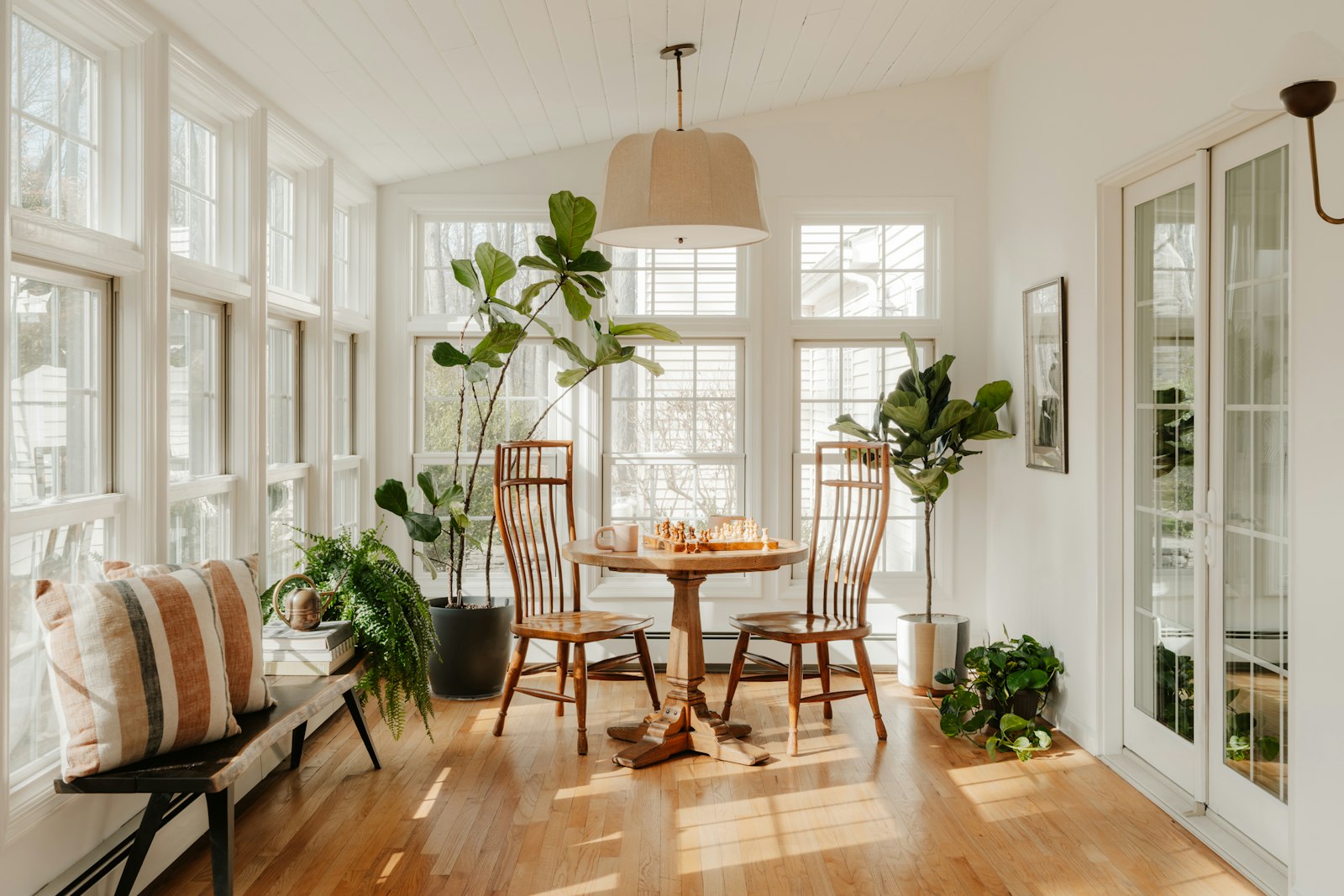
Rattan has spent decades unfairly associated with dated conservatories and tired holiday villas, and it is time we looked again. This light, woven material, made from the climbing stems of tropical palms, is one of the most useful and characterful natural materials available to the modern home, and the best designers have quietly rediscovered it. It deserves a second look, and a more serious one.
Used carelessly it can indeed look kitsch. Used well it brings warmth, texture and honest craft to a room in a way that few other materials manage, and it does so with a lightness, literal and visual, that is entirely welcome.
A material with real virtues
Rattan’s appeal begins with its physical qualities. It is remarkably light, so furniture made from it is easy to move and never dominates a room. It is strong for its weight, thanks to the natural resilience of the palm stem. And it is warm and tactile in a way that metal and moulded plastic never are, inviting touch and use.
It is also, importantly, a natural and renewable material. Rattan palms grow quickly and are harvested by hand, and worked rattan is a genuinely low-impact choice, the kind of honest, sustainable material that a considered home increasingly values. It sits comfortably alongside the other natural, breathable materials we admire, the timber and stone and woven fibre that make the tropical garden-facing home feel so alive.
The craft of the weave
What lifts good rattan above the ordinary is craft. This is a hand-worked material, bent, wrapped and woven by skilled makers, and the quality of that work shows. A well-made rattan chair, its frame steam-bent into a clean curve and its seat tightly and evenly woven, is a small feat of craftsmanship; a cheap one, loosely woven over a flimsy frame, is not. The same hand-worked craft is visible in woven panels, and why cane webbing deserves a second look considers that lighter, more open finish.
Learning to tell the two apart is the key to using rattan well. Look for tight, regular weaving, sound joints and a frame that feels solid rather than springy. The best pieces have the same integrity we look for in any well-made object, the honest craft our writers celebrate throughout the site, and they age gracefully rather than falling apart.
Rattan’s problem was never the material. It was the way we used it. Choose one well-made piece, set it against something plain, and the kitsch vanishes and the craft appears.
Using it without kitsch
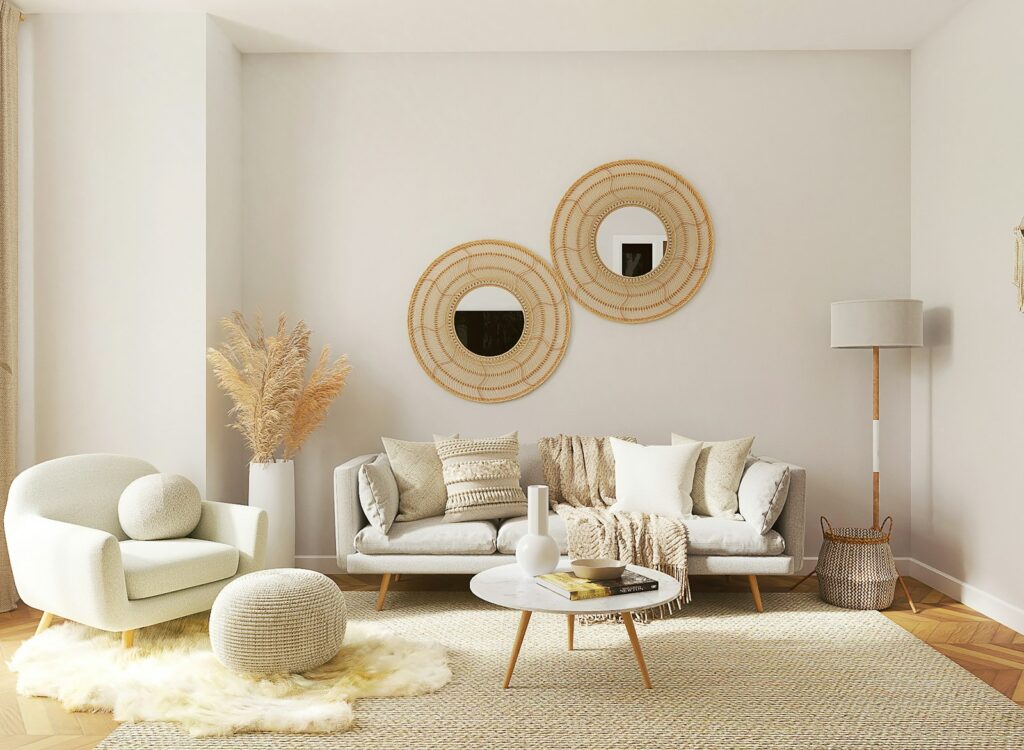
The secret to using rattan in a sophisticated interior is the same as with any material that carries baggage: restraint and contrast. A room full of matching rattan furniture will always look dated. A single beautiful rattan chair set against clean plaster walls, a plain timber floor and modern surroundings looks fresh, tactile and considered.
Let the rattan be the note of warmth and texture in an otherwise restrained scheme, and it reads as craft rather than cliché. This is precisely how it works within the disciplined, natural-material palettes we admire, the balance of warmth and simplicity at the heart of warm minimalism. One well-placed woven piece does more than a whole suite of it.
Where rattan belongs
Rattan is at its best where its lightness and airiness are virtues. It suits the tropics especially, where its breathability and coolness are practical as well as pretty, which is why it has always been the natural companion to the shaded verandah and the garden room. It brings the outdoors gently in, and it never feels heavy in the heat.
But it is not only a tropical material. A single rattan piece can warm a cool northern room, and its woven texture makes a fine foil to hard modern surfaces anywhere. It shares this quality of bringing organic warmth to architecture with other woven and natural materials, the sort that give even a stone-and-timber building its softness, as in the beautifully made retreats we survey in the best bamboo and woven architecture hotels.
It is worth distinguishing rattan from the materials it is often confused with, because the differences matter. Rattan is the solid stem of a climbing palm, strong and suitable for structural frames; cane is the outer skin of that same stem, used for the woven webbing you see on chair backs and seats; wicker is not a material at all but a technique, the weaving itself, which can be done in rattan, willow or reed. Bamboo, meanwhile, is hollow and rigid where rattan is solid and pliable, which is why rattan can be bent into those flowing curves that bamboo never manages. Knowing which is which helps you buy well and care for a piece properly, since each responds differently to humidity, sun and the occasional wipe with a damp cloth.
Caring for it
Rattan asks little, but a little care keeps it handsome. Keep it out of prolonged direct sun, which dries and fades the fibres over time, and out of very damp, unventilated spots, where it can grow brittle or spot. An occasional dust and a wipe with a barely damp cloth is usually all it needs, and a piece kept this way will soften and mellow with age rather than degrade, gathering exactly the gentle patina that makes old rattan so appealing. Should the weave ever loosen or a strand work free, a good caner can repair it, and the fact that it can be mended, rather than thrown away, is one more mark of a material worth living with.
Worth looking at again
Rattan’s reputation was a victim of its own popularity; overused and badly made, it came to seem cheap. But the material itself was never at fault, and in the hands of good makers and thoughtful decorators it is enjoying a deserved revival. Light, warm, crafted and sustainable, it answers a great many of the things a modern home is looking for.
Give it a second look, choose one well-made piece, and set it with a little discipline, and rattan will surprise you. For more on the natural materials and honest craft that give a home its warmth and character, the wider Homes & Culture section is full of them. Rattan, quietly, is ready for its return.
Priya tours the homes most people only glimpse from the road, and asks how they are really lived in.