
Why the Sierra Nevada of Spain Rewards the Patient Traveller
Above Granada, the Sierra Nevada hides white villages, high trails and a slower Andalusia, rewarding the patient traveller willing to climb beyond the coast.
 By Marcus Lim
2 September 2026 · 6 min read
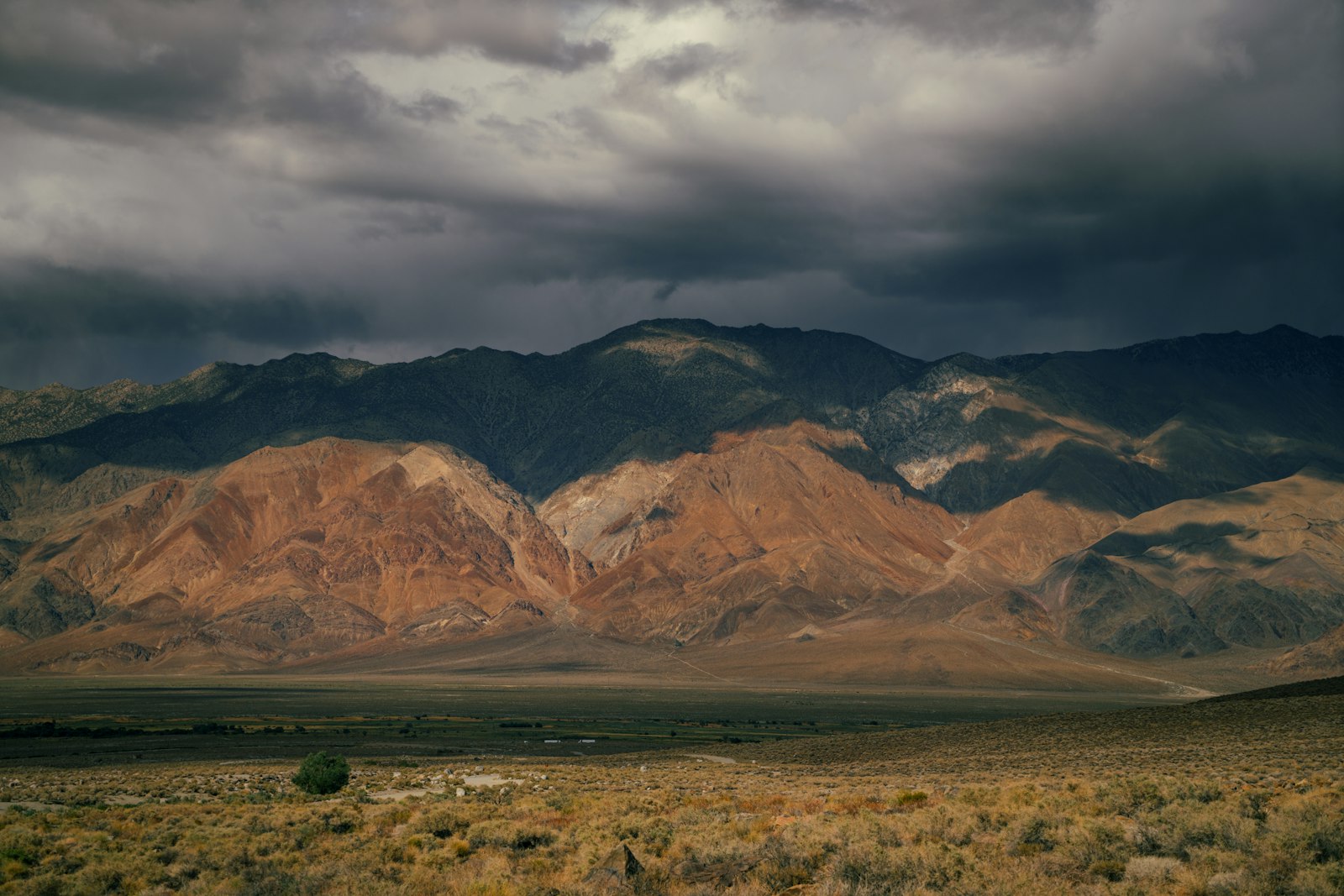
Most travellers to southern Spain never look up. They arrive for the coast or for Granada’s great palace, tick the sights, and leave, unaware that behind the city rises the highest range in mainland Spain: the Sierra Nevada, snow-capped into early summer, its flanks pleated with valleys that time forgot to modernise. These mountains do not announce themselves. They reward the patient traveller, the one willing to climb past the coach parties and into an Andalusia that still moves at the pace of mules and seasons.
The high villages of the Alpujarras
On the southern slopes lie the Alpujarras, a scatter of white villages clinging to the mountainsides, their flat-roofed houses stacked like sugar cubes. This was the last redoubt of Moorish Spain, and the architecture still speaks of North Africa: chimneys like little towers, terraces threaded with irrigation channels that have run for a thousand years. Drive up from the coast and the air cools with every hairpin, the vegetation shifting from palm to chestnut to pine.
These villages ask to be walked rather than seen. Park at the edge, wander the stepped lanes, and let the day find its own shape. The rhythm is agricultural and unhurried, and it suits the traveller who has taken to heart our thinking in how to plan a slow travel itinerary: fewer places, more deeply.
Walking the roof of Spain
For those with the legs for it, the high Sierra offers some of the finest walking in Europe, and almost none of the crowds you would meet in the Alps. Trails climb through pine forest to bare granite and, above three thousand metres, to the twin summits that hold snow long after the coast has turned to summer. You do not need to be a mountaineer; well-graded paths reach viewpoints that repay a morning’s effort with the whole of Andalusia laid out below, the Mediterranean a silver line on the horizon. Walkers who prefer sea air to altitude will find a similar reward along the Pembrokeshire coast, best taken slowly.
Base yourself in a mountain village and walk from the door. The best stays here are simple: a converted farmhouse, a village inn with six rooms and a good kitchen. For the broader case for this kind of high, quiet lodging, our edit of the best mountain lodge retreats gathers stays cut from the same honest cloth.
The Sierra Nevada gives nothing to the traveller in a hurry. Slow down, climb higher, and it opens like a book you did not know you owned.
A table shaped by altitude
Mountain food in the Alpujarras is hearty and unfashionable, which is to say excellent. Cured hams hang in cold village storerooms, air-dried in the thin high air; broad beans are stewed with the local ham; and the plato alpujarreño piles everything worth eating onto one plate. The wines come from vineyards planted improbably high, where cool nights lend them an acidity the lowland reds lack. Eat in the village where you are staying, at the one bar that also cooks, and you will eat better than in any city.
This is Andalusian cooking in its mountain register, distinct from the fried fish and gazpacho of the coast. To place it in context, our guide to the best Andalusian and southern Spanish cooking maps how the region’s table changes as you climb from sea to summit.
Granada, at the mountain’s foot
You cannot come here without giving a day or two to Granada, cupped in the mountains’ skirts. The city is the natural gateway, and its palace-fortress remains one of the supreme achievements of Islamic art in Europe. But treat the city as a threshold rather than a destination, and save your energy for the heights above it. Spring is the ideal season, snow still on the peaks and wildflowers in the valleys, an argument we make more fully for the region’s cities in why spring suits the city of Seville, and one that holds doubly true in the mountains.
The patience dividend
What the Sierra Nevada asks is effort and time, the two things the modern traveller is least willing to spend. The reward is proportionate: a corner of Spain that has kept its own counsel, where the seasons still govern life and the crowds have not found their way up the hairpins. Come with no fixed plan, a good pair of boots, and a willingness to let a village keep you longer than you intended. That is how these mountains are best met. The same patience pays off in Castile, where our itinerary for a slow weekend in Segovia trades mountain villages for Roman stone and long lunches. Those who find that unhurried Spain suits them might carry the same spirit north to Castilla-La Mancha, with a slow weekend in Cuenca.
The old ways of water
To understand the Alpujarras, look at the water. The whole landscape is threaded with acequias, the irrigation channels first cut by the region’s Moorish inhabitants more than a thousand years ago and maintained, in many villages, to this day. They carry the snowmelt from the high Sierra down through the terraces, distributing it by an intricate, communal timetable that governs who may water and when. Walk the paths between villages and you will hear these channels before you see them, a constant thread of running water beside the trail, and you will pass the little sluices and stone-lined tanks that have watered these slopes since before the Reconquest. It is living history, working still, and it explains the improbable green of the valleys in a landscape that should by rights be parched.
This ingenious husbandry of a scarce resource shaped everything: the stepped terraces, the placement of the villages, the crops that could be grown, even the character of the people, cooperative by necessity in the sharing of the flow. For the patient walker it offers a way into the landscape that the casual tourist misses entirely. Follow an acequia uphill and it leads you through chestnut woods to the source; follow it down and it delivers you to the gardens and orchards it feeds. Ask in a village and an old hand may explain the water rights, a system of astonishing subtlety that no map records. This is the reward of patience in the Sierra Nevada: not a sight to be photographed but an understanding to be earned, the slow realisation that a landscape which looks wild is in fact the most carefully tended you will ever walk.
The Sierra Nevada is proof that the finest destinations are often the ones just above the obvious. For more places that yield only to patience, explore our wider Travel & Stays writing, and climb higher than the guidebooks suggest. The view, and the quiet, are up there waiting.
Marcus writes on travel and hospitality across Asia, and is happiest a long way from a lobby.


