A Slow Weekend in Ronda
A slow weekend in Ronda, the Andalusian town split by a gorge, where clifftop dawns, quiet plazas and unhurried lunches reward the traveller who stays put.
 By Marcus Lim
2 September 2026 · 8 min read
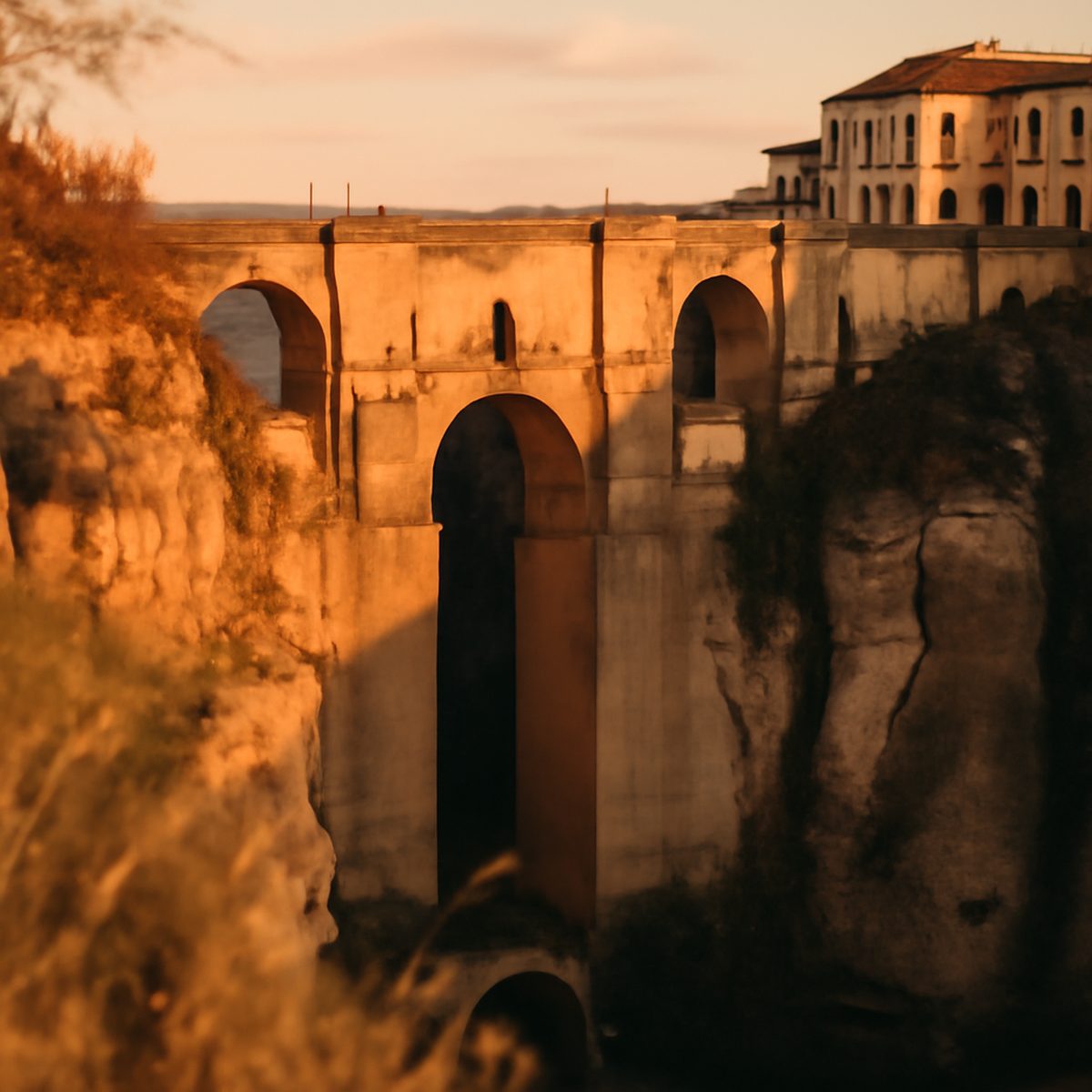
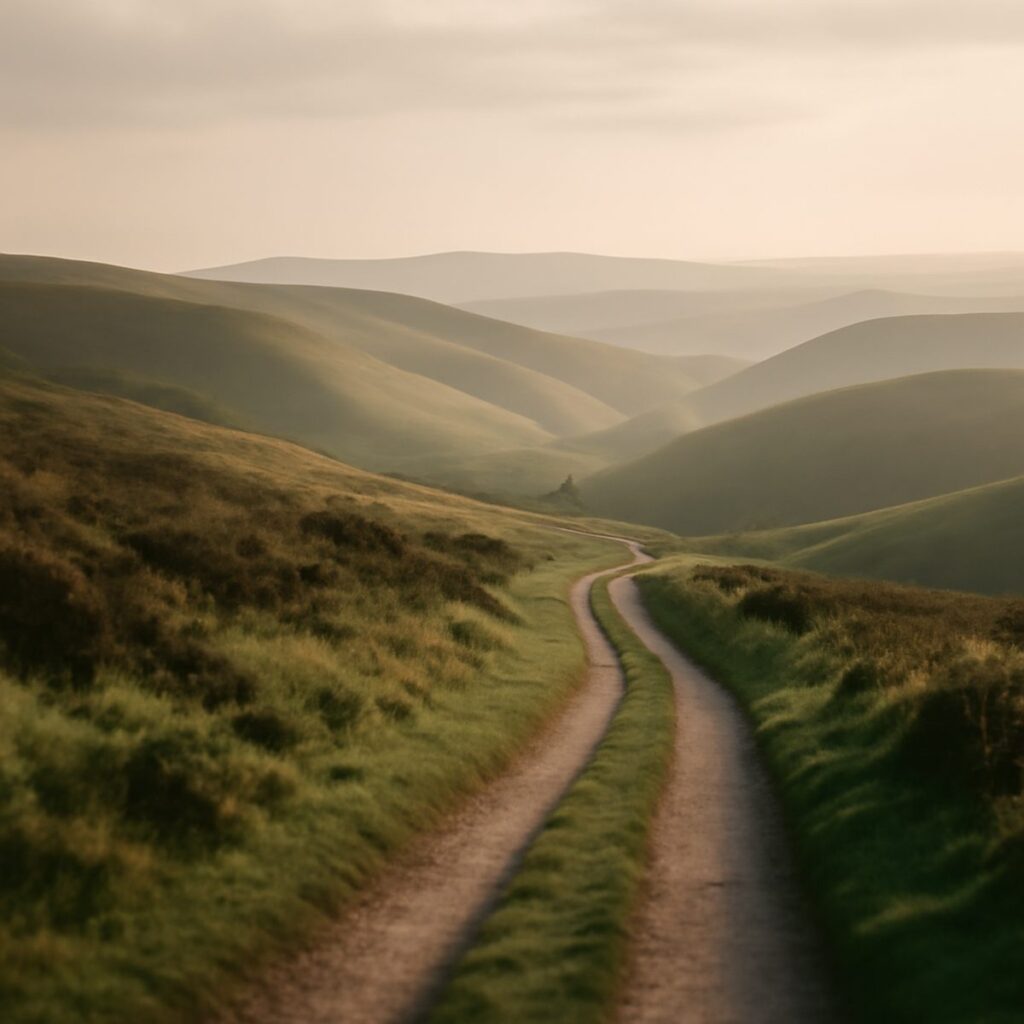
Ronda arrives all at once. One moment you are climbing through the pale hills of the Serranía, olive terraces stitched into the slopes; the next, the road delivers you to the lip of a gorge so abrupt it feels theatrical. The town sits on both sides of that wound in the rock, joined by a bridge that has become shorthand for the whole of inland Andalusia. Most visitors photograph it, buy a fan, and leave by lunch. That is precisely the mistake. Ronda rewards the traveller who stays, who lets the day-trippers ebb away on their coaches and discovers the quieter town that surfaces once the light goes long and gold.
Arrive late, and let the crowds leave
The trick to Ronda is timing. Between eleven and four the old streets fill with tour groups funnelled up from the coast, and the bridge becomes a scrum of raised phones. Come the late afternoon they thin, then vanish, and the town exhales. This is the argument for staying two nights rather than passing through: you buy yourself the mornings and the evenings, the two windows when Ronda belongs to the people who live there and the few who chose to linger. The same logic of mornings and evenings holds in Castile, as our slow weekend in Segovia shows of another old town best met after the day-trippers leave.
Take a room on the newer side of the gorge, in one of the low-key palazzo conversions where a family has turned a townhouse into eight quiet rooms. Ask for one facing the valley. The point is not the thread count but the view at first light, when mist pools in the base of the gorge and the swifts begin their circuits. If you are the sort of traveller who plans by feel rather than itinerary, our thoughts on how to plan a slow travel itinerary apply here almost to the letter.
The gorge, at the right hours
Everyone walks the bridge. Fewer take the stepped path that drops below it, switchbacking down to a viewpoint where the masonry rears overhead and the river runs green and cold. Go at eight in the morning, before breakfast, and you may have it to yourself. The descent is steep and the climb back honest, so wear proper shoes rather than the loafers you packed for dinner.
On the old-town side, the streets tighten into a Moorish grid of whitewashed walls and iron balconies dripping geraniums. Wander without a map. You will find a palace garden terraced down the cliff, a hammam half-restored, and small squares where old men argue over dominoes in the shade. Ronda does not hurry, and it resents being hurried. Spain has other cliff-top towns that reward the same unhurried pace, and our slow weekend in Cuenca follows a similar rhythm through its hanging houses and old streets.
Long lunches and later dinners
The food here is mountain food: game, cured meats from the black Iberian pigs that root in the oak dehesa, stews thickened with almonds, and the local wines from vineyards that have quietly reappeared on these high plateaux. Eat where the menu is short and handwritten. One family-run comedor near the Plaza del Socorro serves a rabbit slow-cooked with rosemary that is worth crossing the province for, and the house red comes in a jug without ceremony.
Andalusian eating runs late and long, and Ronda is no exception. Lunch is the main event, taken at two and stretching past four; dinner is lighter, later, and often just tapas grazed across two or three bars. For a broader sense of the region’s table, our guide to the best Andalusian and southern Spanish cooking maps the flavours you will meet, from salmorejo to the acorn-fed hams.
Ronda is a town best understood at walking pace and at the edges of the day. The middle hours belong to the coaches; the rest belongs to you.
Beyond the bridge
Give the second day to the country. The white villages of the Serranía scatter across the hills within an hour’s drive, each a cluster of lime-washed houses around a church tower. Hire a small car and get lost among them, stopping where a bar looks inviting. The landscape between is quietly spectacular: cork oaks, vultures riding the thermals, and dry-stone terraces that predate anyone’s memory.
If your Andalusian appetite is now thoroughly whetted, Ronda pairs naturally with a city stay. Seville is two hours north and a study in a different register entirely; our note on why spring suits the city of Seville makes the case for pairing the two. And for those weighing whether a short trip can ever be enough, the case for the two-night city escape argues, persuasively, that it can.
The unhurried case
What Ronda teaches is patience. It is a town built on a knife-edge, dramatic by geography, but its real pleasures are undramatic: a coffee taken slowly in an empty plaza, the sound of the river you cannot see, the way the stone turns honey-coloured an hour before dusk. Rush it and you will leave with a photograph and little else. Stay, and it becomes one of those places you find yourself describing years later, always in the same unhurried tone the town itself insists upon.
A wine country worth the detour
Few visitors realise that Ronda sits at the heart of a small, serious wine region, one of the highest in Europe. The vineyards climb the plateaux around the town, planted at altitudes that would seem foolhardy elsewhere, and the cool nights they enjoy lend the reds a freshness and the whites a nerve that the baking lowlands cannot match. This is not an industrial wine country of tour buses and tasting sheds; it is a scatter of small, family-run bodegas, many of them replanting terraces that had lain abandoned for generations. Call ahead, and a winemaker will often walk you through the vines himself, glass in hand, in no particular hurry.
Devote a slow afternoon of your second day to it. Hire a driver rather than risk the tasting yourself, and let him ferry you between two or three estates, each with its own view down over the gorge and the plain beyond. The wines here are made in small quantities and rarely travel far, which is precisely their charm: you will drink things in Ronda you cannot buy at home, and carry a bottle or two back in your case as the only souvenir worth the weight. Pair the visit with a long, late lunch at the winery itself, where such a thing is offered, and the afternoon dissolves entirely. It is the most Andalusian way imaginable to spend an unhurried day: good wine, a great view, and absolutely nowhere else to be. The vineyards close the loop on everything Ronda does best, rewarding the traveller who lingers rather than the one who ticks the bridge and flees.
Come for the bridge, by all means. But stay for the mornings, the long lunches, and the particular quiet that settles over a clifftop town once the last coach has gone. Browse more of our Travel & Stays writing for other places that reward staying put, and pack lightly enough to leave room for the wine you will inevitably carry home.
Frequently asked questions
Is Ronda worth staying overnight rather than a day trip?
Yes. Most day-trippers leave by late afternoon, so staying overnight lets you see the gorge and Puente Nuevo bridge in evening and early morning light, when it is quiet and atmospheric. You also have time for leisurely meals, wine tasting and exploring beyond the main sights.
What is the Puente Nuevo in Ronda?
The Puente Nuevo, or New Bridge, spans the El Tajo gorge, linking Ronda’s old and new towns. Completed in 1793 after decades of construction, it rises around 98 metres above the river below. It is Ronda’s most famous landmark and offers spectacular views across the surrounding countryside.
How do you get to Ronda from Málaga or Seville?
Ronda is around one and a half to two hours by car from Málaga and about two hours from Seville. Buses connect Ronda with both cities, and trains run from Málaga and other Andalusian destinations. Driving offers flexibility to explore the white villages and surrounding countryside.
Are there wineries to visit near Ronda?
Yes. The Serranía de Ronda has a growing wine scene, with numerous bodegas producing red, white and rosé wines from both local and international grape varieties. Many offer tours and tastings, often with views over vineyards and mountains. Booking visits in advance is recommended, particularly at smaller estates.
What is the best time of year to visit Ronda?
Spring and autumn are ideal, with pleasant temperatures for walking, exploring the gorge and touring the countryside. Summer can be hot, though evenings are cooler than on the coast. Winter is quieter and can be chilly, but crisp, clear days offer beautiful views.
Marcus writes on travel and hospitality across Asia, and is happiest a long way from a lobby.