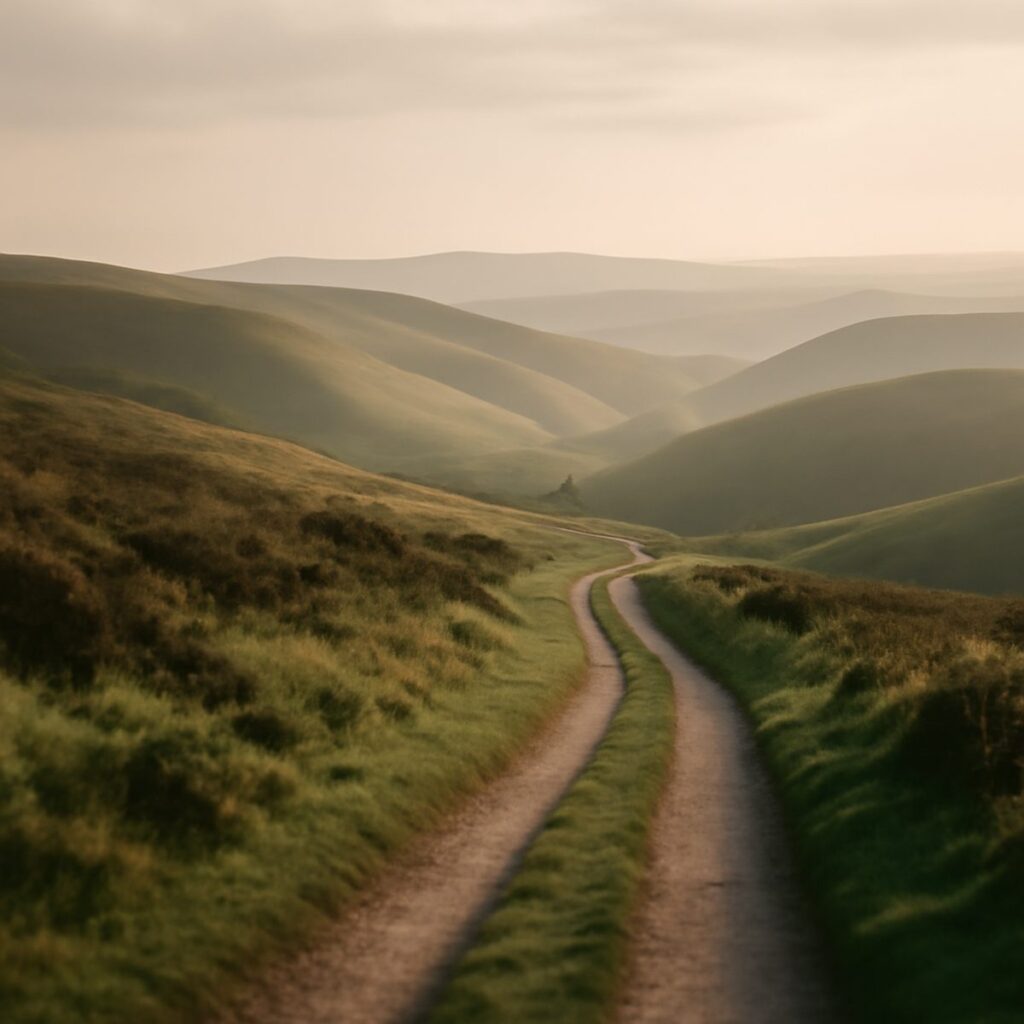
The Case for the Croft Stay
The croft stay is the most quietly luxurious of Scottish holidays: a whitewashed cottage on the moor, peat smoke, big weather and the pleasure of doing less.
 By Marcus Lim
2 September 2026 · 6 min read
By Marcus Lim
2 September 2026 · 6 min read

There is a particular kind of luxury that has nothing to do with marble lobbies or turndown service. It is the luxury of a single-storey cottage at the end of a track, whitewashed against the weather, with a peat fire and a view of nothing but moor and sea. This is the croft stay, and for a certain traveller it has quietly become the most desirable holiday in Britain. It offers no spa, no concierge, no menu. What it offers instead is space, silence and the slow recalibration of a nervous system worn thin by cities.
What a croft actually is
A croft is a small agricultural holding, a Highland and Islands institution born of hard history and stubborn community. The cottages that come with them are modest by design: thick walls to keep out the wind, small windows to keep in the heat, rooms scaled for warmth rather than grandeur. Many now stand empty for part of the year, and a growing number have been carefully let to visitors by families who still work the land around them. Stay in one and you are not in a hotel pretending to be a home; you are in a home, borrowed.
The best of these conversions do very little. A good stove, a deep bath, decent linen and a well-stocked bookshelf are the whole of it. Anything more would miss the point. If you are drawn to the idea of a stay that whispers rather than shouts, the croft is that instinct carried out of the drawing room and onto the moor: quiet, considered, and confident enough to leave things out.
The weather is the entertainment
You do not go to a croft for the weather; you go for the weather. This sounds like a contradiction until you have spent an afternoon watching a squall march in off the Atlantic, the light shifting from pewter to gold to slate within the hour. There is no schedule to keep, so the weather becomes the day’s structure: a walk when it clears, a book when it closes in, a fire regardless. The rhythm is dictated by the sky, and there is a deep relief in surrendering to it.
This is slow travel in its purest form, stripped even of the sights. The traveller who thrives here is the one who has learned, as we argue in why the Scottish isles reward the slow traveller, that the point is not to see everything but to be somewhere fully. A croft is that argument made concrete, in stone and lime.
The croft asks nothing of you but your attention. Give it, and a week feels like a month; withhold it, and you will be bored by Tuesday.
Provisioning and the long evening
There is no room service, which is the making of it. You shop before you arrive, or from the single village store that stocks more than you expect: local eggs, smoked fish, oatcakes, a decent whisky or two. Cooking becomes an event rather than a chore, and dinner stretches long into evenings that, in the northern summer, barely darken at all. The absence of a restaurant is not a deprivation but a return to something.
Bring the right things and the croft rewards you. Warm layers, waterproofs that actually work, a torch for the track, and books you have been meaning to read for years. Leave the laptop. The signal, mercifully, is often too poor to tempt you.
Where the croft sits among Scottish stays
The croft is one point on a spectrum of Highland retreats. At the grander end sits the sporting lodge, all antlers and log fires and a ghillie who knows the river; we make its case in the case for the Highland estate stay. Nearer the water, converted boathouses and lochside cottages offer their own version of the same peace, gathered in our edit of the best lochside and Highland water retreats. The croft is the humblest of the family and, to many minds, the truest.
For the full immersion, look to the outer edges of the map, where the land runs out into the sea and the crofting tradition is still a living thing rather than a heritage note. Our piece on why the Outer Hebrides reward the slow traveller charts the islands where a croft stay reaches its most elemental.
The quiet dividend
What you take home from a croft is not photographs, though you will have some, all sky and stone. What you take home is a resettled sense of time. A week spent watching weather, walking, cooking and reading does something to the mind that no spa treatment can replicate. You return slower, and glad of it. In an age that sells luxury as abundance, the croft makes the opposite case: that having less, in the right place, is the greater indulgence.
The community around the cottage
A croft is never quite an island, even when it feels like one. The crofting townships that dot the Highlands and Islands are working communities, bound by a system of shared grazing and mutual obligation that has outlasted every attempt to sweep it away. Stay in a croft and you are, however briefly, a guest of that community, and the best stays let you feel it: the neighbour who leaves eggs on the step, the shop that knows you are the family up at the far cottage, the pub where the same faces gather on a Friday. This is not the anonymity of a hotel but something older and warmer, and it rewards the visitor who arrives with a little humility and a willingness to pass the time of day.
There is an etiquette to it, easily learned. Shut the gates you open, keep dogs from the sheep, park where you will not block a working track, and understand that the land around your cottage is someone’s livelihood rather than your playground. Buy from the local producers where you can; the smoked fish, the island lamb, the crofter’s own eggs are better than anything you will carry up from a supermarket, and the money stays where it does good. Do these small things and you will find the community opens to you in ways the ordinary tourist never sees, with a tip on where the seals haul out, or which glen is worth the walk. That quiet welcome, freely given and easily lost, is part of what the croft stay offers, and part of why those who take to it return, year after year, to the same track at the end of the road.
Book one for a week, in shoulder season if you can bear the odds on the weather, and go with no plan beyond arriving. Explore more of our Travel & Stays writing for stays cut from similar cloth, and pack for cold even in June. The croft will do the rest, which is to say, gloriously little.
Marcus writes on travel and hospitality across Asia, and is happiest a long way from a lobby.